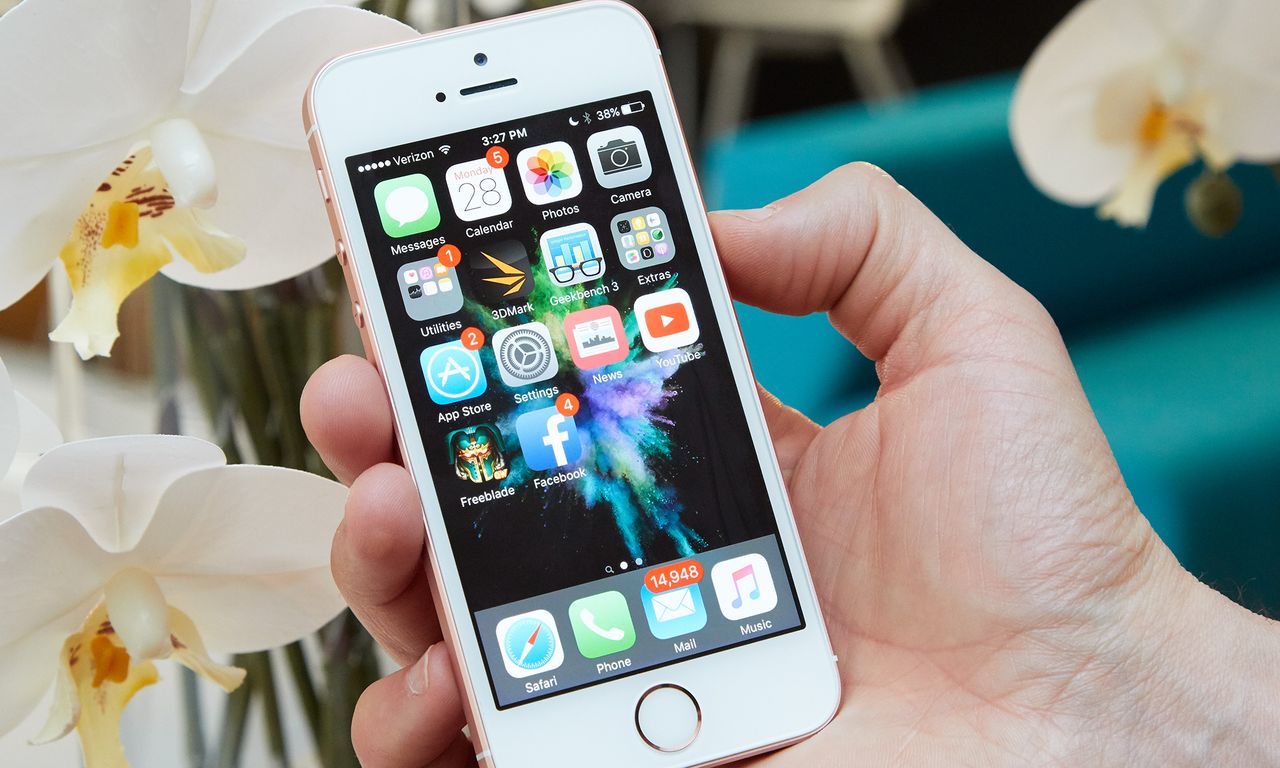
Apple just added the original iPhone SE to its list of devices labeled obsolete. The company has two designations for older devices as they age: vintage and obsolete.
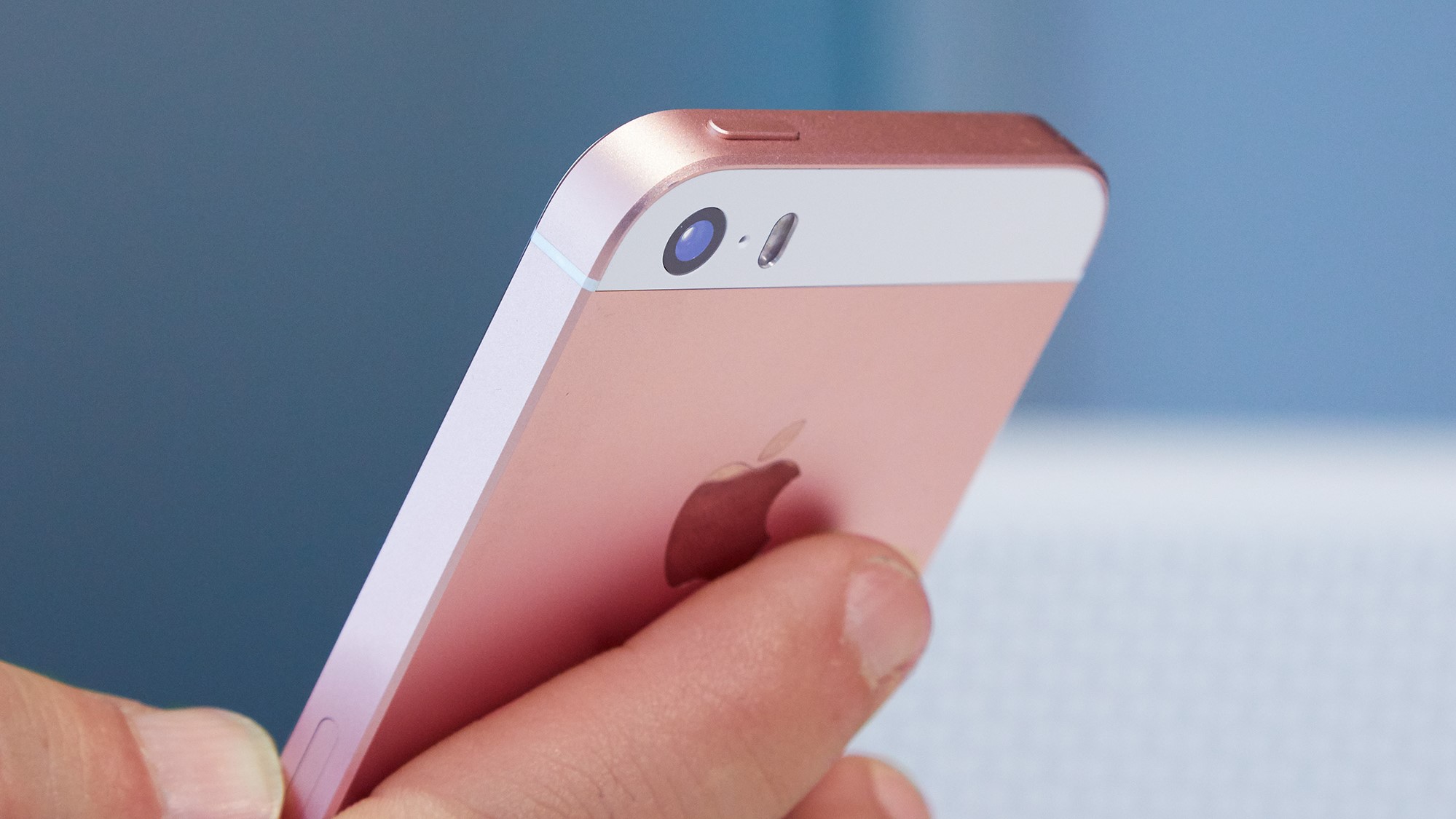
The first-generation iPhone SE was released in 2016 to offer a budget-friendly iPhone as a counter to cheaper Android phones. Built on the iPhone 5s chassis, it featured a 4-inch display, flat sides, and a home button with the first generation of Touch ID.
When the iPhone SE launched, the flagship iPhone models were the iPhone 6s and iPhone 6s Plus, which were larger with 4.7-inch and 5.5-inch displays, respectively. It also featured the same A9 processor that powered the 6 series. Interestingly, the iPhone SE lasted longer than the 6 series, which was made obsolete in April 2024.
In 2016, the first-gen iPhone SE started at $399 for a base model featuring 16GB of storage. There was also a version with 64GB. Both sizes were later replaced with 32GB and 128GB versions.
The original was discontinued in 2018 and replaced by the second generation model in 2020.
What does obsolete mean
The difference between a vintage device and an obsolete Apple product comes down to repairability. Vintage devices can still get some service at Apple Stores or authorized third-party vendors, and parts can be replaced while supplies last. However, vintage products can not receive iOS updates or security patches.
Obsolete devices cannot be repaired by official Apple providers. Additionally, service providers can no longer order parts for obsolete iPhones.
Traditionally, Apple considers a device obsolete when seven or more years have passed since it stopped selling the product. Some Mac laptops can still get battery-only repairs for up to 10 years.
Devices are considered vintage five years after sales are stopped.
What’s next for budget iPhones
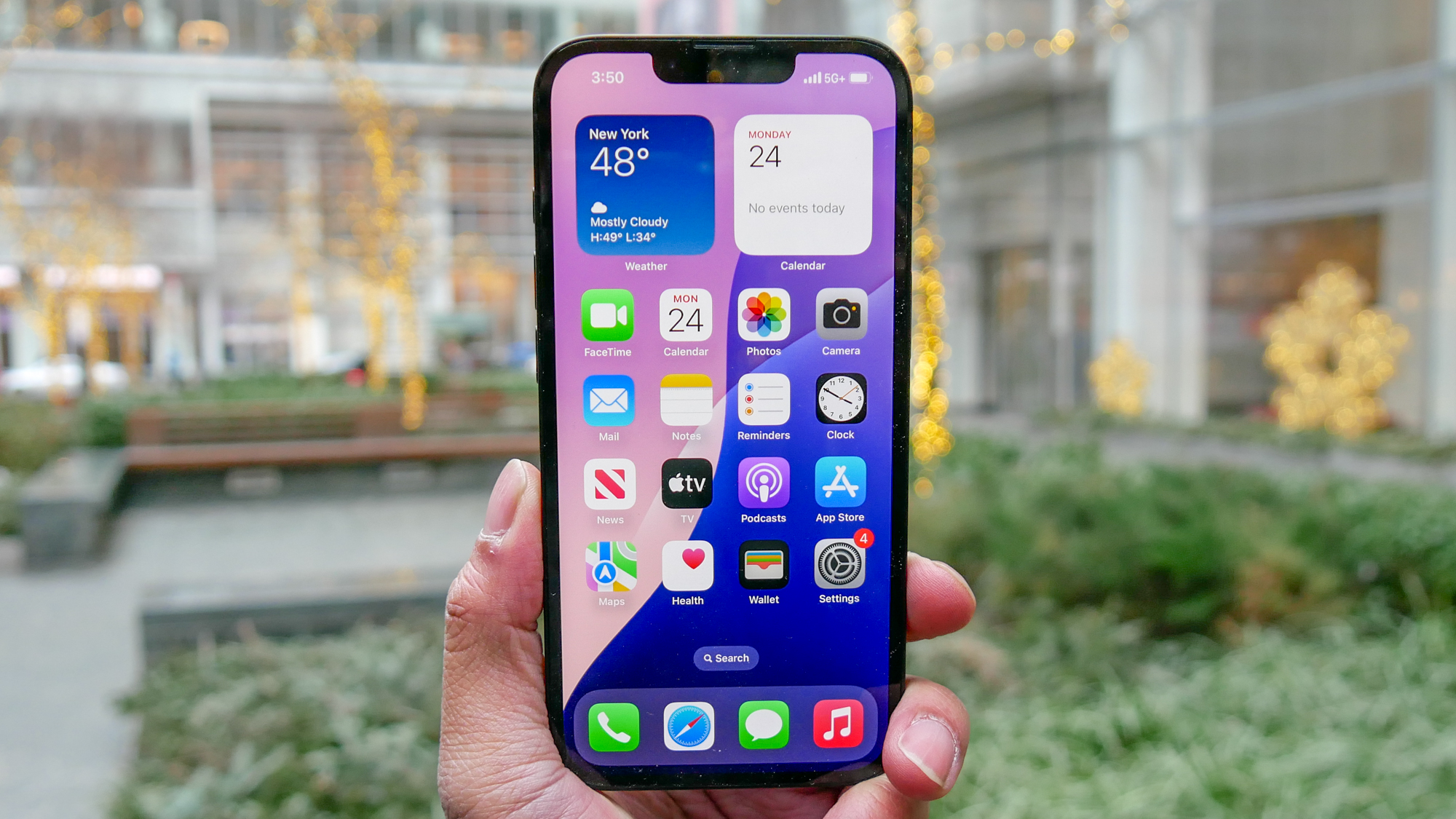
The SE line was replaced by the iPhone 16e earlier this year, which has a starting price of $599 for the 128GB model. That phone features 8GB of RAM, so it can run Apple Intelligence, the firm’s take on AI. It’s also a giant compared to the 4-inch original, as the 16e sports a 6.1-inch OLED display and significantly larger storage options.
Unlike the SE generation, which was updated sporadically, the e-series may become an annual update akin to the usual iPhone release cycle.
With the release of the iPhone 16e, Apple killed off the home button, Touch ID and Lightning port, as the third-generation SE was the last iPhone to have those features. Instead, the 16e was the first budget iPhone to feature Face ID.
Next year’s iPhone 17e is rumored to be a minor update with leaks hinting at a slightly more powerful chip and faster wired charging.

Follow Tom's Guide on Google News and add us as a preferred source to get our up-to-date news, analysis, and reviews in your feeds.