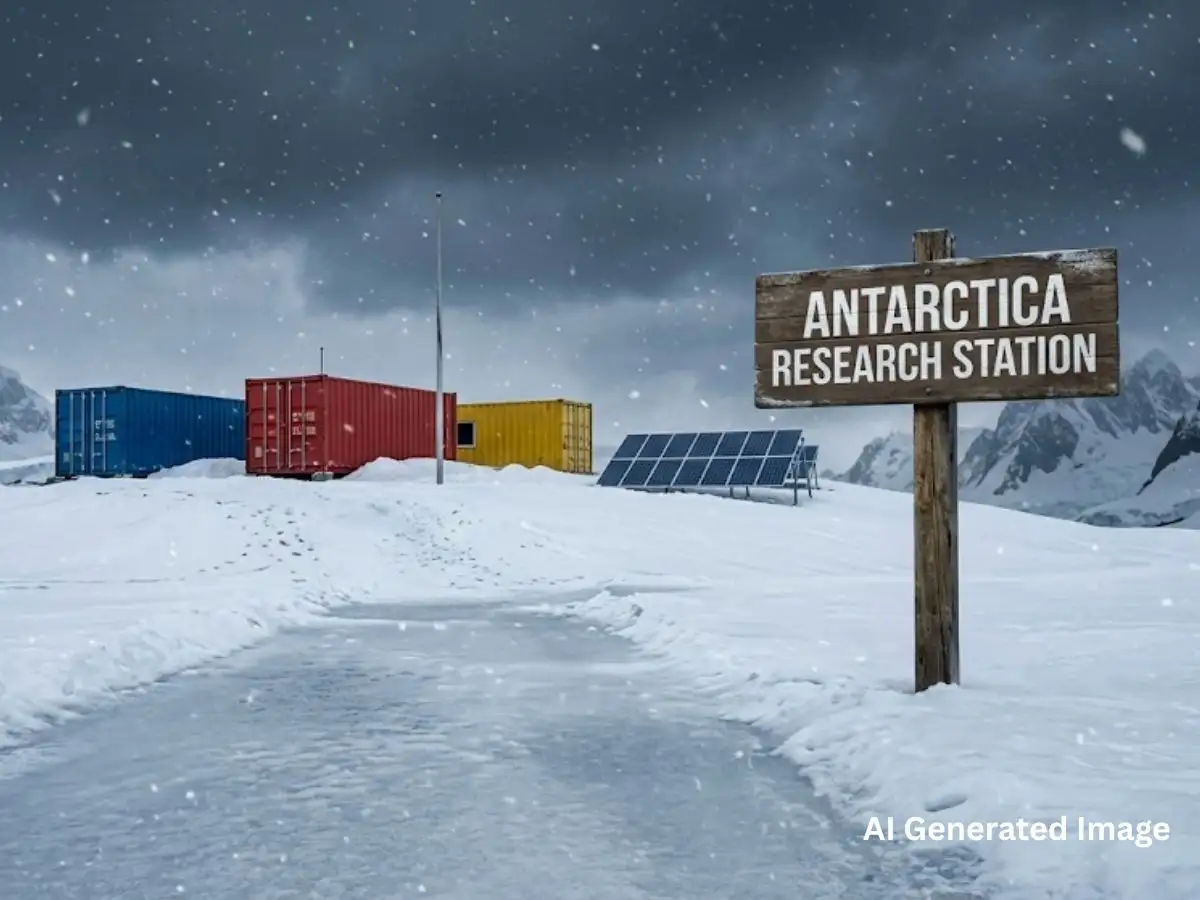
Antarctica appeared to defy its long-running pattern of ice loss between 2021 and 2023, when unusually heavy snowfall added enough mass across parts of the continent to sharply slow the overall decline. Scientists now say the increase was real, but temporary. The question is why snowfall became so powerful during this period and whether more snow can actually reverse Antarctica’s broader ice-loss trend. Recent studies point to unusual atmospheric conditions, moisture-rich storms and warming in tropical ocean regions as the main reasons behind the short-lived change.
Rather than indicating that Antarctica had suddenly recovered, the research suggests that a period of exceptional accumulation briefly outweighed continuing losses from glaciers and ice discharge. A separate Nature Geoscience study has found that the Antarctic Ice Sheet is still very likely to lose mass during this century, even under aggressive emissions-reduction scenarios.