The Origin and History of Angelfish
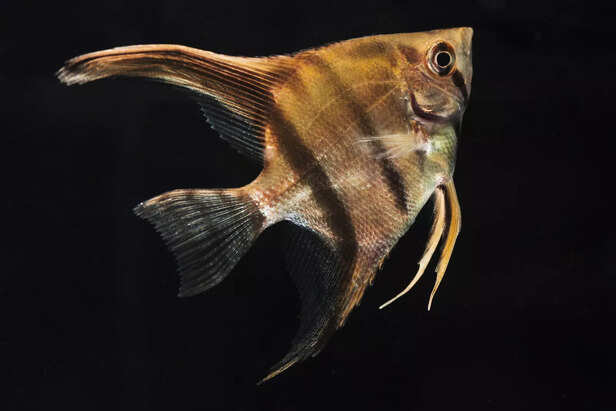
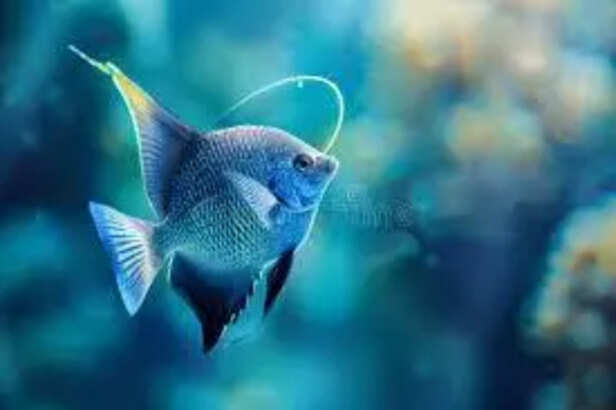
There are two types of angelfish: freshwater and saltwater. The saltwater angelfish is from the family Pomacanthidae, while the freshwater variety is from the genus Pterophyllum, which is part of the Cichlidae family. Freshwater angelfish originate from Brazil and the lower Amazon region. Their natural habitat is full of heavy vegetation, and their thin bodies allow them to navigate easily among the plants, winding their way through leaves and branches. Angelfish were first imported into Germany in 1909 but weren't successfully bred in the United States until 1921. At the time, they were very expensive, but today they're among the most popular and common aquarium fish. Over the years, selective breeding has led to many color varieties of freshwater angelfish that you might find in stores. These include silver angelfish , zebra, koi, black lace, golden, blushing, marble, golden marble and half-black.
How Long Do Angelfish Live?
Angelfish tend to be hardy, so they're easier to raise than other fish breeds. And they're peaceful, so they get in fewer fights than betta fish do. A well-cared-for angelfish could live as long as 10 to 15 years.
When bringing your angelfish home, you'll want to make sure you have the perfect tank environment set up and ready. This will help your new pet have a long, happy, and healthy life.
1. Tank Size
Angelfish are a taller species of fish with long, vertical fins. It's good to invest in a deeper tank, so your angelfish don't feel cramped. They can grow to four inches in diameter, but their fins alone can lead to some being over a foot tall in length. Tall, narrow tanks can work for them, but they'd also love tanks that are both tall and wide so that they can swim around more. Aim for a minimum size of 20 gallons for angelfish so they have plenty of room for their long fins once they're fully grown.
2. Heating and Lighting
Angelfish can thrive in the same type of lighting you'd use for any standard aquarium. If you're keeping your angelfish in a planted aquarium, you want to provide about 10 to 12 hours of light a day for the plants. Otherwise, about eight hours of light a day should be sufficient. It's important the lighting mimics the day-and-night cycle so your fish have a daily routine that stays the same. Setting the lights on a timer can help with this.
3. The Best Decoration for Your Tank
Angelfish's natural environment is full of tall plants, so adding taller, soft plants to your aquarium can be a nice choice. In fact, if you're building a medium-sized or larger planted aquarium, angelfish might love this. Angelfish may also enjoy driftwood in the tank. Angle the driftwood, so it extends from the surface to the bottom, like a branch. You can purchase driftwood from a pet store.
Nutrition and Food for Your Angelfish
You can help your angelfish live a longer, healthier life with the right food. Tropical Granules or Tropical Flakes are a good choice for your friendly, tropical fish. They'll also enjoy the occasional live food treat, like bloodworms or brine shrimp. Remember, don't overfeed your angelfish. Just feed them once or twice a day at the most, typically in the morning and evening. And only feed what they can consume in about two to three minutes. Signs you're overfeeding your fish include finding uneaten food at the bottom after about five minutes, cloudy aquarium water, or a clogged filter.
Breeding Angelfish
Breeding angelfish is pretty easy. In fact, it's so easy that your angelfish might accidentally pair up even if you're not purposefully trying to breed them! If you're aiming specifically for little baby fry , know that it can be tough to distinguish males from females. Some males have a bump on their heads near the eyes, but not always. It's really simplest to just buy a handful of young fish and see which ones pair off as they grow up. The females will ultimately lay the eggs in vertical lines, and the male fertilizes the eggs after she lays them.
Celebrate the bond with your pets, explore Health & Nutrition, discover Breeds, master Training Tips, Behavior Decoder, and set out on exciting Travel Tails with Times Pets!
Frequently asked questions (FAQs)
-
Are angelfish easy to keep for beginners?
Yes, angelfish are suitable for beginners if their basic needs are met. They require a clean tank, stable water parameters, proper diet, and enough space to grow.
-
What is the ideal tank size for angelfish ?
A minimum 20–30 gallon tank is recommended for a pair of angelfish. Larger tanks are better, especially if keeping them with other fish.
-
What water conditions do angelfish need?
Angelfish prefer warm, slightly acidic water with a temperature of 24–28°C, pH between 6.5–7.5, and soft to moderately hard water.
-
Can angelfish live with other fishes?
Yes, angelfish can live in community tanks with peaceful, similarly sized fish but aggressive or fin nipping species should be avoided.