
Recent research published in the journal Nature reveals that ancient stone tools discovered in western Ukraine could be the oldest evidence of early human presence in Europe. The chipped stones, crafted from volcanic rock, were unearthed from a quarry in Korolevo in the 1970s. By employing innovative dating techniques, archaeologists determined that the sedimentary rock layers surrounding the tools are over 1 million years old.
While the exact early human ancestors responsible for creating these tools remain uncertain, Homo erectus is a likely candidate. Homo erectus, known for walking upright and utilizing fire, may have used these tools for cutting meat and scraping animal hides.
Although some experts suggest the tools could be as old as 1.4 million years, the study methodology indicates they are likely just over 1 million years old, aligning them with similar ancient tools found in Spain. The earliest stone tools of this kind, dating back 2.8 million years, were discovered in eastern Africa.
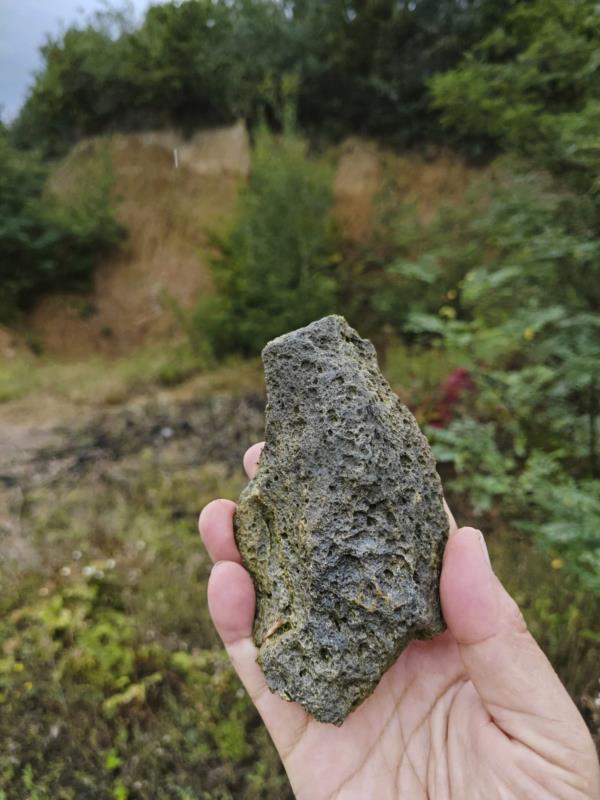
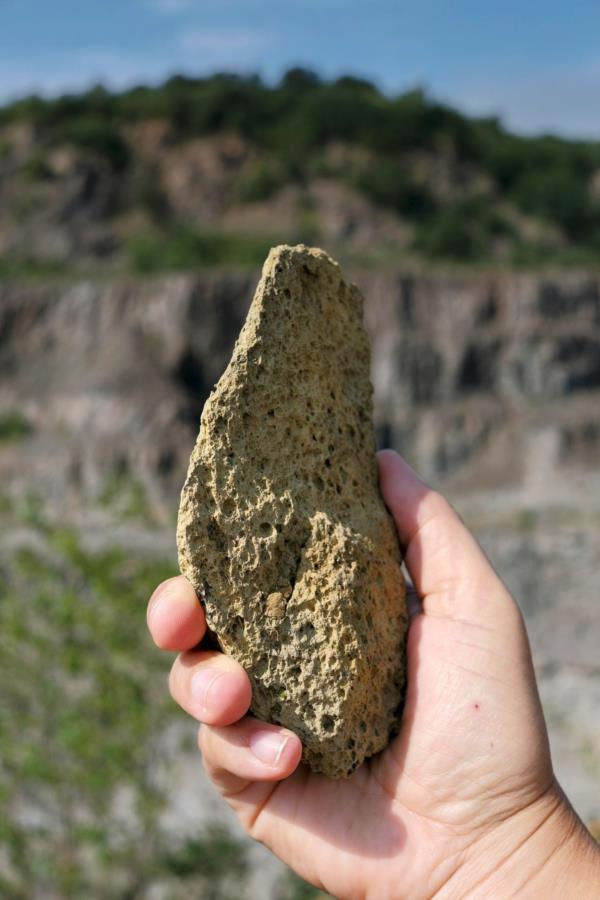



The significance of the Ukraine site lies in its northern location, indicating that early humans with these tools were capable of thriving in diverse environments. This adaptability allowed them to colonize regions ranging from warm Iberia to the cold climate of Ukraine.
This discovery sheds light on the remarkable abilities of early humans to adapt and survive in various environments, showcasing their resilience and resourcefulness in the face of different challenges.