Get all your news in one place.
100's of premium titles.
One app.
Start reading
The Economic Times
The Economic Times
Team Global

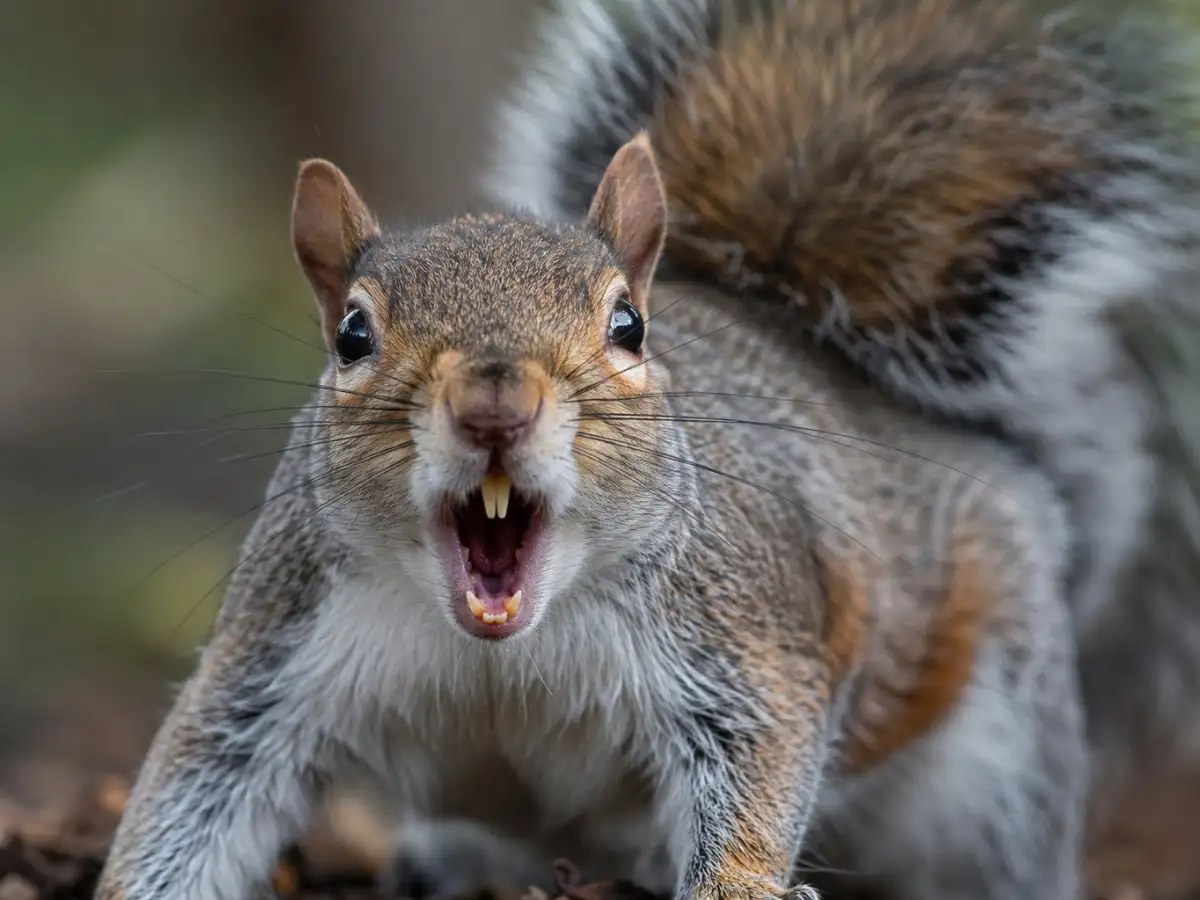
Ancient squirrels ate meat like 'zombies,' and the proof is in the poop

It smelt. That was the first thing Tyler Murchie noticed when he opened up a sample that had sat frozen for hundreds of thousands of years in the permafrost of Canada's Yukon. These weren’t your average fossils; they had not gone through the slow mineral replacement that turns old dinosaur dung to stone. All the organics were still in there, perfectly intact, still pungent, and absolutely packed with genetic gold.

According to a June 2026 study published in Nature Communications by Murchie and his colleagues at the Hakai Institute in British Columbia, those fossilized feces, known as coprolites, are not just the byproduct of a small rodent’s bathroom habits. They are detailed biological records of a whole lost world: one that included woolly mammoths, American cheetahs, steppe bison, horses, wolves and hundreds of plant and insect species that once defined Ice Age North America.

The oldest samples are approximately 700,000 years old. If those age estimates hold, then the DNA sequences pulled from them would be some of the oldest ever retrieved from any living organism on Earth.

How squirrel poop became a scientific goldmine

The Klondike region of Canada’s Yukon has a long history of gold fame. Miners, too, have been showing up, using high-pressure jets of water to melt away deposits of permafrost and finding ancient ground squirrel burrows and the coprolites packed inside them.

Murchie’s team analyzed 13 of those frozen fecal samples, from roughly 700,000 to 17,000 years ago. That period, called the Pleistocene, was an age of ice ages, when huge herds of megafauna traveled across North America.

It was no easy feat to get readable DNA from ancient poop. According to Willerslev et al. (2003), a foundational study published in Science, one of the few places where ancient DNA can be preserved for hundreds of thousands of years is permafrost. But ancient feces pose a special extra challenge: they are full of natural compounds that inhibit the enzymes used to decode genetic sequences. Murchie’s team needed to do a lot of work to tweak their method, reducing sample sizes and improving chemical cleanup before the material finally provided usable results.

Sign up to read this article
Read news from 100's of titles, curated specifically for you.
Already a member? Sign in here
Related Stories
Top stories on inkl right now
One subscription that gives you access to news from hundreds of sites
Already a member? Sign in here
Our Picks
Fourteen days free
Download the app
One app. One membership.
100+ trusted global sources.