Get all your news in one place.
100's of premium titles.
One app.
Start reading
The Conversation
The Conversation
Rachelle Wilson Tollemar, Lecturer in Spanish Environmental Cultural Studies, University of Wisconsin-Madison

An Indigenous approach shows how changing the clocks for daylight saving time runs counter to human nature – and nature itself

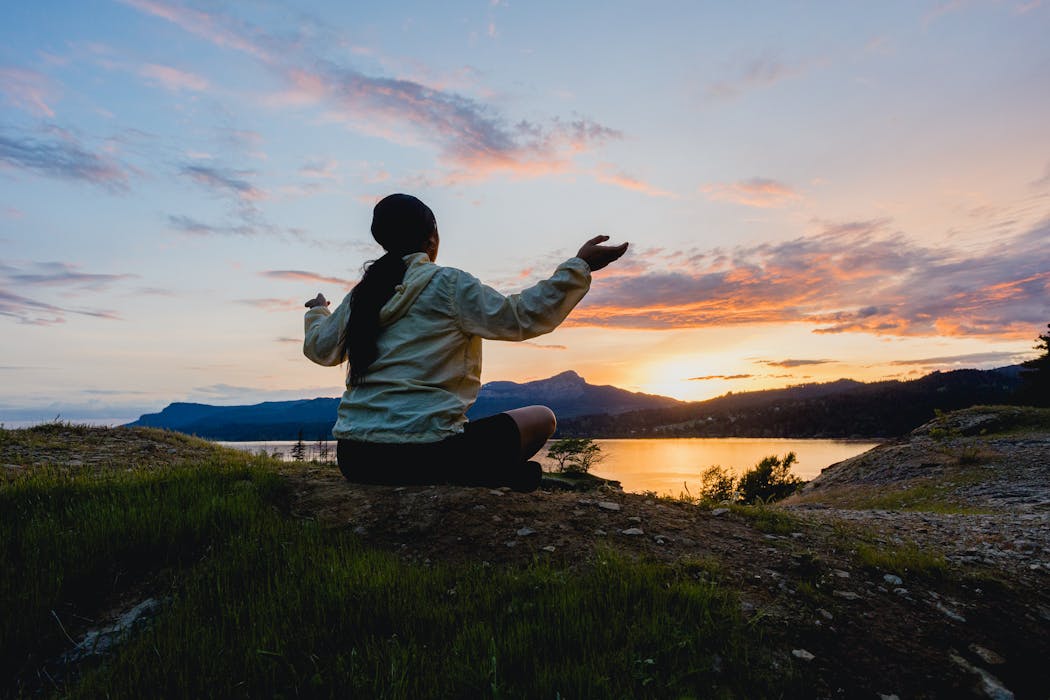
Humans and nature can find balance in each other. timnewman/E+ via Getty Images

It is that time again. Time to wonder: Why do we turn the clocks forward and backward twice a year? Academics, scientists, politicians, economists, employers, parents – and just about everyone else you will interact with this week – are likely debating a wide range of reasons for and against daylight saving time.

But the reason is right there in the name: It’s an effort to “save” daylight hours, which some express as an opportunity for people to “make more use of” time when it’s light outside.

Sign up to read this article
Read news from 100's of titles, curated specifically for you.
Already a member? Sign in here
Related Stories
Top stories on inkl right now
One subscription that gives you access to news from hundreds of sites
Already a member? Sign in here
Our Picks
Fourteen days free
Download the app
One app. One membership.
100+ trusted global sources.