Get all your news in one place.
100's of premium titles.
One app.
Start reading
The Conversation
The Conversation
Environment
Diogo Veríssimo, Research Fellow in Conservation Marketing, University of Oxford

An Indian village went from hunting Amur falcons to being their biggest protectors. Here’s how conservationists can harness the power of persuasion

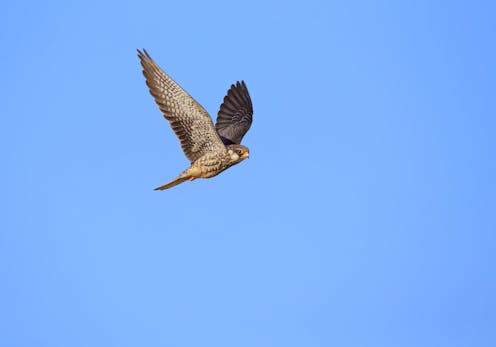
An Amur falcon feeds on flying insects as it migrates across Nagaland, India. Greeneries/Shutterstock

Wildlife conservation is an exercise in human persuasion. It may seem counterintuitive that we hold the keys to the survival of wildlife, but 98% of all threatened species are threatened exclusively by human activities such as pollution, invasive species or habitat loss.

Influencing human behaviour to benefit nature is hard, but it can be done. In the case of the Amur falcon, we found that legislation and enforcement were successful at stopping hunting of this migratory raptor and maintaining changes in hunting practices. But the key to success involved fostering local pride in the bird, alongside providing economic incentives.

Sign up to read this article
Read news from 100's of titles, curated specifically for you.
Already a member? Sign in here
Related Stories
Top stories on inkl right now
One subscription that gives you access to news from hundreds of sites
Already a member? Sign in here
Our Picks
Fourteen days free
Download the app
One app. One membership.
100+ trusted global sources.