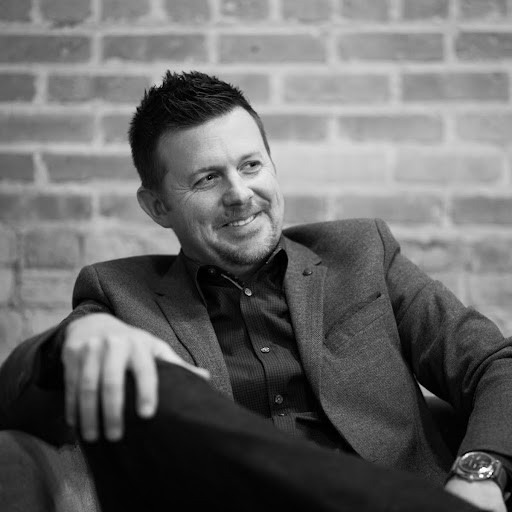
Fractional leadership has found a place in the toolkit of many businesses that want seasoned guidance without a traditional, full-time hire. For organizations exploring this model, a fractional leader may offer strategic direction, hands-on problem-solving, and flexible collaboration that is tailored to a company's current needs. Within this space, Dean Pedersen serves as a practitioner who blends agency-honed craft with entrepreneurial instincts, shaping engagements that aim to make strategy feel understandable and actionable for owners who may be new to the idea. "I aim to translate big-brand thinking into everyday decisions founders can trust," he says.
Pedersen has seen the landscape of fractional leadership transform over the years. "When I first started, people would often ask, 'What is a fractional CMO?' Today, the model is far more widely recognized," he shares. Pedersen notes that the shift gained momentum during the COVID-19 pandemic, when remote work demonstrated that senior leadership could deliver meaningful impact without being tied to a full-time, in-office role.
Beyond flexibility, Pedersen highlights another advantage. "Fractional leadership can offer companies access to seasoned expertise at a fraction of the cost of a permanent executive, while still providing high-caliber strategic guidance and efficiency," he remarks.
Pedersen's path into fractional marketing leadership has roots in a formative period at an advertising agency in Chicago, where he worked alongside experienced creatives and account teams. That phase introduced him to disciplined planning, narrative development, and the mechanics of large-scale marketing work, while also exposing him to the dynamics that can slow creative momentum.
"Those early lessons pushed me toward entrepreneurship and into environments where ideas could be tested quickly," Pedersen states. "I built and sold ventures in different industries, and eventually shifted my focus to advising others, bringing together the perspectives of corporate marketing and founder-led businesses at the same table."
That combination of perspectives shaped the way he approaches client relationships. Pedersen begins engagements by understanding what keeps owners awake at night, clarifying the organization's near-term objectives, and mapping where sales and marketing are aligned or at odds. From that foundation, he crafts a tailored program that connects brand positioning to the concrete activities that move the business forward, such as messaging, creative expression, and practical growth initiatives that fit the client's resources.
His work focuses on helping businesses that are ready to sharpen their story or fold marketing into a sales-driven culture. "In several engagements, I was asked to rethink brand messaging and identity to help a client feel more distinct in a crowded market," Pedersen shares. "In others, the brief was to build a single master narrative and then activate targeted programs that complement existing sales efforts."
Pedersen has also worked with practices seeking to deepen local connection through a more human-centered voice. In each case, he frames the situation as a set of challenges the leadership team is navigating and offers methods designed to reduce ambiguity and increase consistency, not as promises of measured outcomes, but as pathways for change.
Distinct traits recur in how Pedersen works. He draws on a wide network of executional specialists, including creative talent, digital operators, and other practitioners, assembled over many years, which allows him to recommend and coordinate the right capabilities. He states, "I've always believed in building flexible, trust-based arrangements where confidence comes from results and relationships. A big part of my work is teaching and capability-building, because I want teams to be better equipped to sustain progress long after our engagement ends."
On topical matters such as artificial intelligence, his stance is client-focused. Pedersen evaluates tools through the lens of each client's objectives, recommends selective adoption where it supports business goals, and avoids presenting technology as a universal cure. This measured curiosity aligns with his broader philosophy that tools should serve clear aims and that implementation should be customized rather than shoehorned.
Across his practice, Pedersen's priority is clarity, approachability, and impact that respects how smaller leadership teams operate. He favors work that is idea-driven yet executable, and he seeks collaborations where humor and humanity form part of the culture. For founders and small-company leaders weighing the benefits of bringing a senior marketing perspective into their organizations without committing to a full-time executive, his approach offers a way to access experienced strategic thinking in formats that can adapt as needs change.
Dean Pedersen presents a blend of agency discipline and entrepreneurial pragmatism, operating with a human-centered style that aims to demystify marketing and make strategy feel usable. "Good leadership is practical and generous," he says. "My role is to help leaders see a path forward and then walk alongside them while they take the next steps."