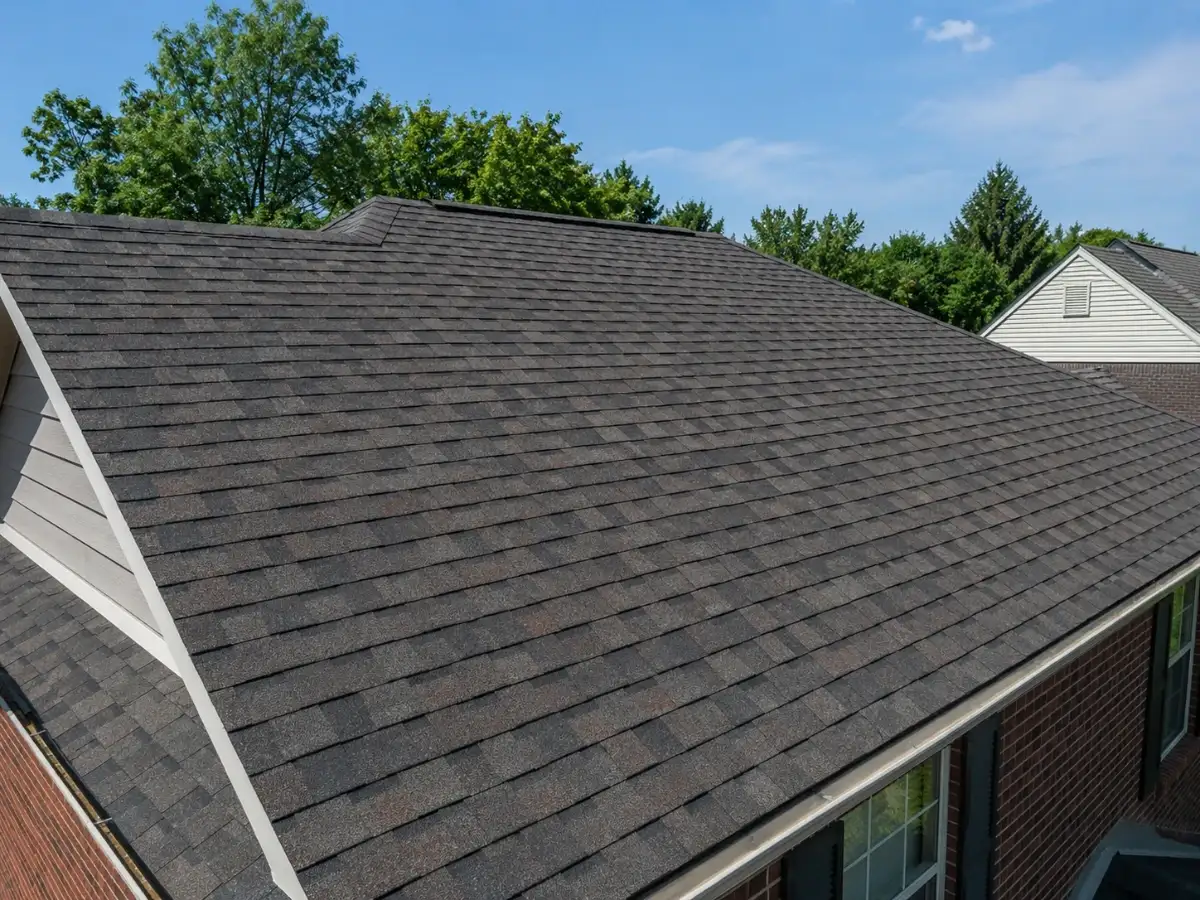
When an old roof is ripped off a house, it may look like a pile of junk, but some of those used shingles can get new life under the wheels of cars and trucks. The U.S. Environmental Protection Agency's Life Cycle Inventories of End-of-Life Pathways of Construction and Demolition Materials estimated that approximately 15 million tons of asphalt shingles were disposed of annually in the United States, based on data centered on 2018, the same year the report's breakdown reflects: an estimated 13 million tons were landfilled, and an estimated 2 million tons were recovered for further use. That makes old roofing a potential source of material for roads.
An old roof can become road material

Asphalt shingles contain asphalt, mineral material, and other components used to make roofing products. Once suitable shingles are taken from a building, they can be processed into recycled asphalt shingles, or RAS. This material can then be used in asphalt pavement mixtures, rather than being sent to a landfill altogether.
The EPA’s 2017 report, The State of the Practice of Construction and Demolition Material Recovery, states that the hot-mix asphalt paving industry is the primary market for recovered non-asbestos asphalt shingles. The report also explains that material recovery can mean recycling, reuse, or energy recovery, depending on the material and how it is ultimately used. However, there’s an important catch. Old shingles can’t just be pulled off a roof and thrown on a road. Roofing material must be collected and processed, and the material used for pavement must meet the requirements of the asphalt mixture being produced. This is especially true for shingles taken from existing roofs, which may contain other roofing debris.