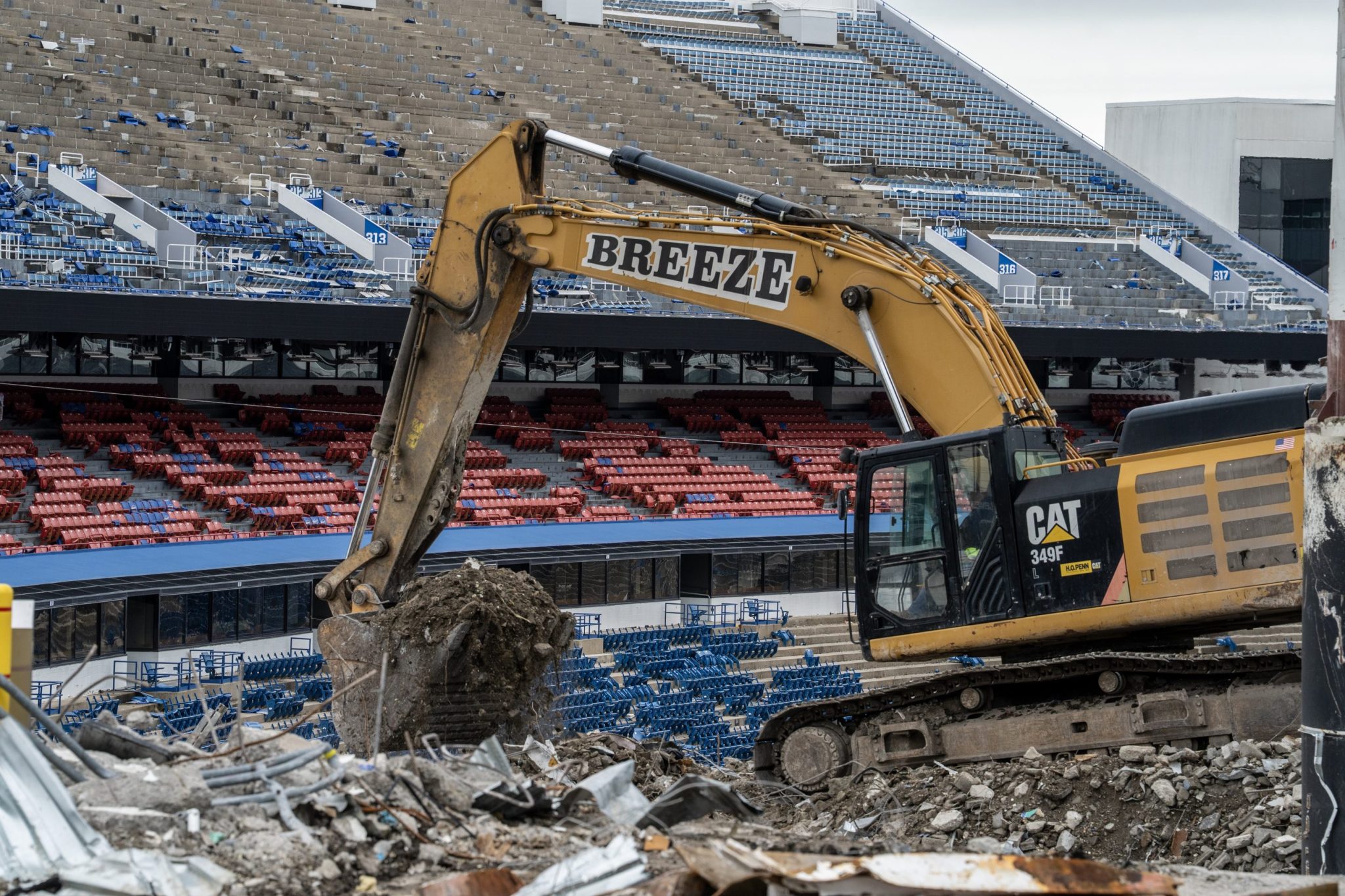
When the Buffalo Bills open their $2.2 billion Highmark Stadium this September, they’ll be opening the NFL’s smallest venue: 60,108 seats, down from the 71,608 the old stadium held. And to make that happen, New York State and Erie County paid $850 million in public funds, resulting in 11,500 fewer seats, with personal seat licenses (the mechanism allowing holders the right to buy season tickets) running as high as $50,000 per seat. Get-in prices on opening night have already listed at $663 on the resale market.
The stadium was built, in significant part, with the money of the fans being priced out of it. New York State contributed $600 million; Erie County contributed $250 million, which collectively is the largest public subsidy ever committed to an NFL facility. But the Bills Mafia’s new stadium isn’t unique in this funding: In deal after deal across American sports, it’s the same playbook in which the public funds a venue, and the owner uses it to serve a wealthier, smaller crowd.