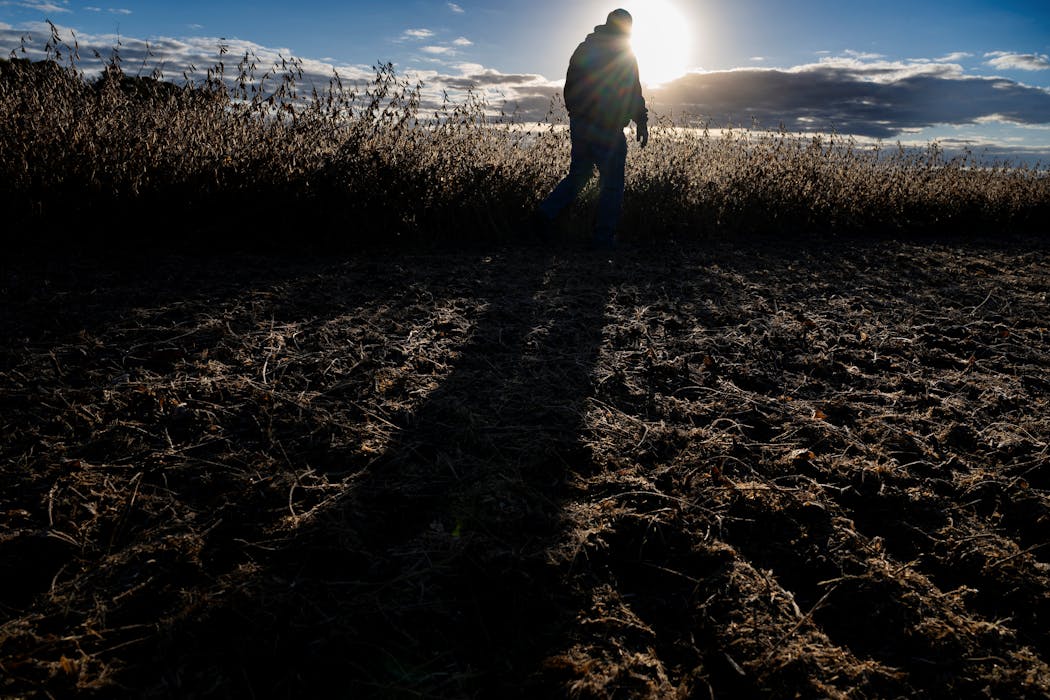
President Donald Trump appears to have upended an 85-year relationship between American farmers and the United States’ global exercise of power. But that link has been fraying since the end of the Cold War, and Trump’s moves are just another big step.
During World War II, the U.S. government tied agriculture to foreign policy by using taxpayer dollars to buy food from American farmers and send it to hungry allies abroad. This agricultural diplomacy continued into the Cold War through programs such as the Marshall Plan to rebuild European agriculture, Food for Peace to send surplus U.S. food to hungry allies, and the U.S. Agency for International Development, which aimed to make food aid and agricultural development permanent components of U.S. foreign policy.