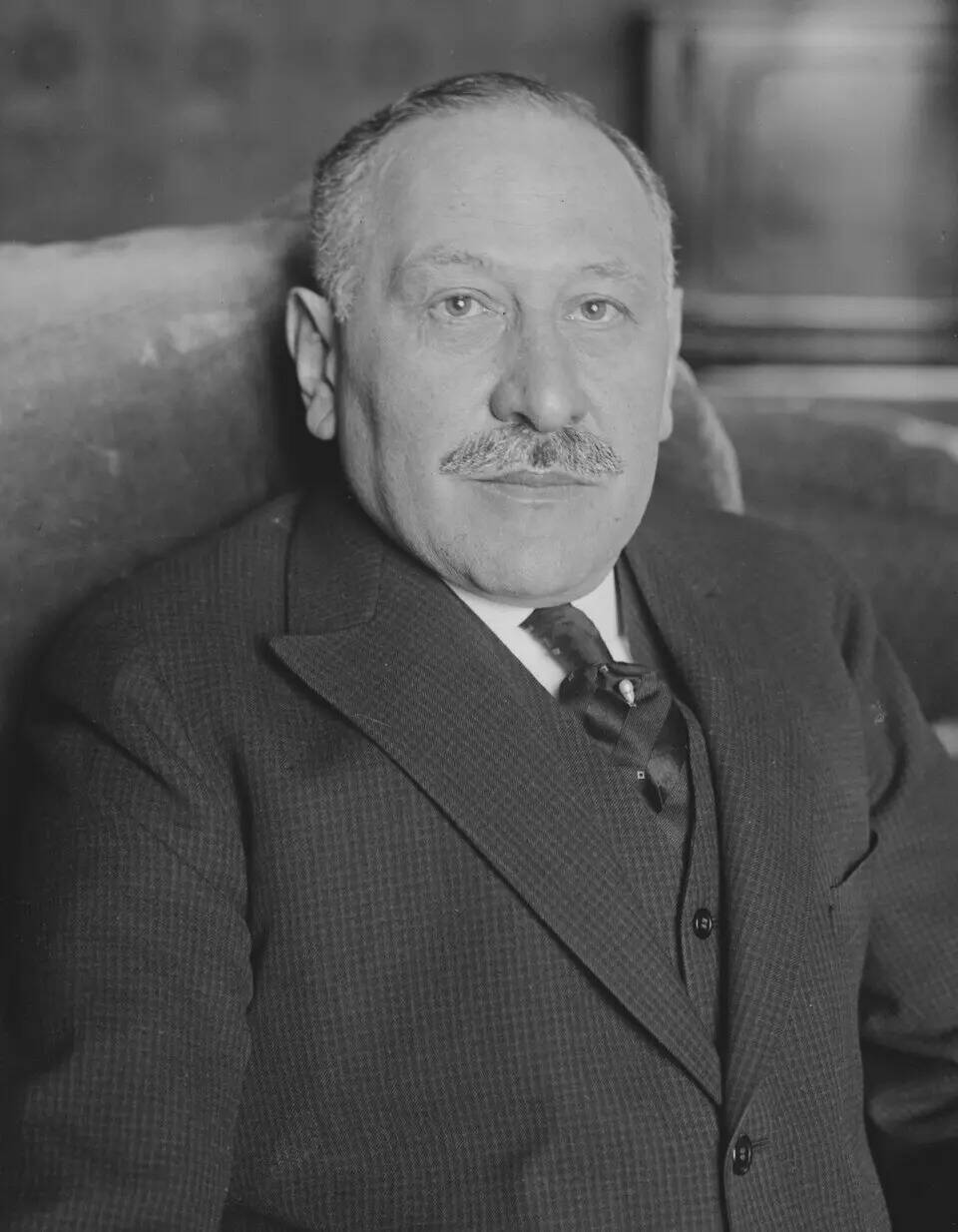
There have been countless examples of the story of access to education under segregation in the American South being recounted from the perspective of a complete lack thereof. Still, one significant structural change that took place in complete silence proved that determination could indeed make up for what the system was unwilling to offer. At the beginning of the 20th century, children of African American descent across all southern states were made to attend their classes either in improvised facilities, in churches, or even outdoors due to an unwillingness of their respective local governments to provide funds for building proper classrooms. Enter Julius Rosenwald, a rich businessman and president of Sears, Roebuck and Company.
In collaboration with the visionary educator Booker T. Washington and Tuskegee Institute, Rosenwald embarked on an ambitious mission that led to the building of over 5,000 schoolhouses, teacher residences, and shops for vocational education in fifteen states. It was one of the most ambitious missions ever accomplished, but what made it successful was the fact that it was designed as a collaborative venture instead of a charity mission. The necessary funds had to match donations from the locals, who had very few resources at their disposal; however, they managed to contribute land, raw material, and even their labour.