Get all your news in one place.
100's of premium titles.
One app.
Start reading
TechRadar
TechRadar
Lance Ulanoff

Amazon bricking classic Kindles is a sign it learned nothing from Sonos' biggest mistake

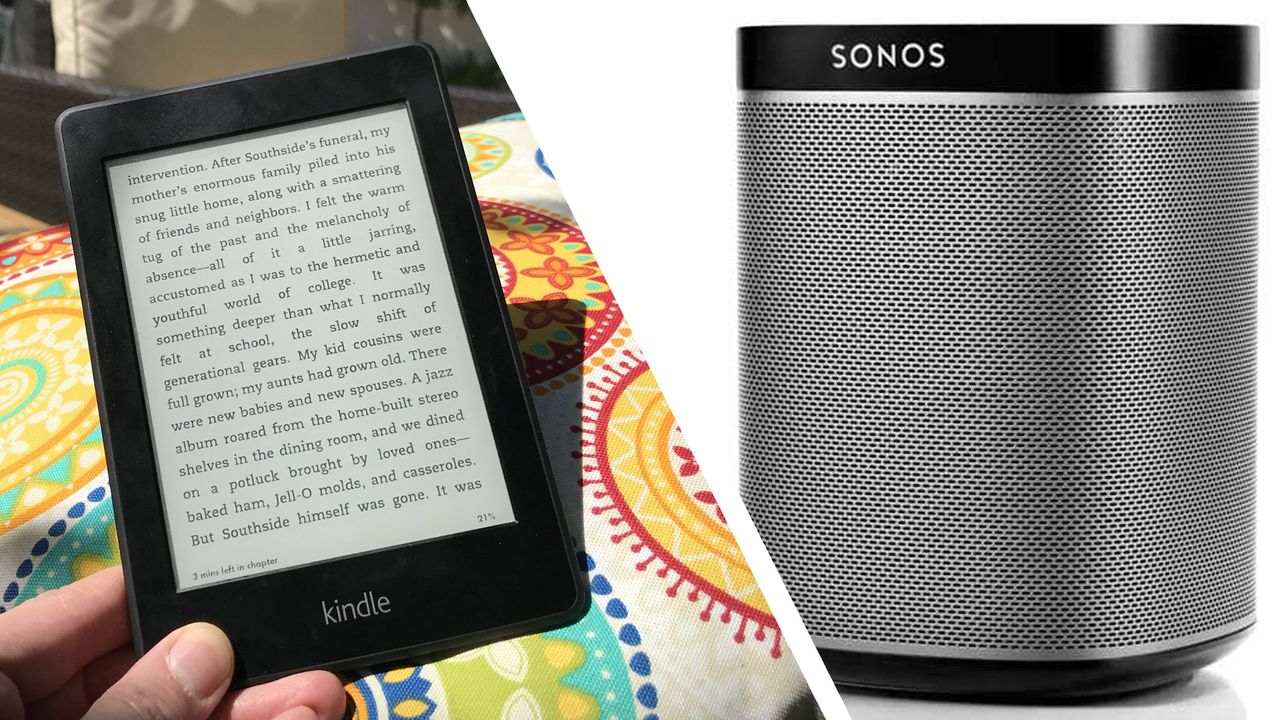
An Amazon Kindle Paperwhite and a Sonos Play:1 speaker.

A couple of years ago, I lost my 12-year-old Kindle Paperwhite. I was briefly devastated, and then bought a new one because I had to. Now I consider myself somewhat lucky, because I was spared the frustration of watching my Kindle's untimely demise at the hands of its parent: Amazon.

The company announced this week that it's about to effectively brick almost a dozen Kindle e-readers built before 2013. As we reported, people took to Reddit to express their dismay — and I don't blame them.

This is potentially a disaster of Amazon's own making and, in a way, a byproduct of its own expert craftsmanship. After all, consumer electronics built almost 15 years ago have no business still working today — and yet they sometimes do.

When I lost my Kindle Paperwhite during a business trip in 2024, it was working perfectly. The only thing it had lost was Amazon's 3G Whispernet cellular network; it was free and meant I could download a book from almost anywhere, but the end of 3G also spelled the end of Whispernet. Oh, and the built-in browser no longer functioned. To be fair, it barely works on my 2025-generation Kindle.

I've long been impressed with Kindle builds, going back to the original models, which, despite having more physical buttons (even a full physical keyboard on the Kindle 2), held up surprisingly well. I think my son has my Kindle 2 stuffed in a drawer somewhere.

They were impressively hard to break. While I used to carry my Paperwhite in a protective case, I eventually grew tired of the extra weight and dropped it unprotected in my backpack. Even by 2024, the screen was unbroken.

As of 2010, Amazon had sold almost eight million Kindles. I suspect the number more than doubled over the next two years. How many are still using those devices? Who knows, but it could be in the tens of thousands. Amazon made a great product, consumers loved it, and now it's pulling the e-reading rug out from under them.

Amazon is turning the wrong page

Amazon's predicament, or self-generated calamity, reminds me of Sonos, another company making fantastic hardware that casually withstands the tests of time.

I have a pair of Play:1 speakers that I picked up in 2014. They feature a timeless design, and sound quality that rivals any similarly sized and priced speaker you could buy today. In 2020, Sonos tried to encourage customers to upgrade by offering a big discount on new speakers, but only if you basically discarded your old ones (put them in 'Recycle mode'). The move was met with almost universal disdain, and Sonos eventually backed off the plan.

In that same year, Sonos warned that older speakers might stop getting software updates and would eventually stop working with the Sonos apps. That's right, Sonos was really batting a thousand with customers. This plan was also eventually shelved, and I can happily report that my Play:1 speakers continue to work perfectly to this day. Sonos got the message.

Amazon, however, did not. As of this moment, the company plans to end support for still perfectly functional Kindles, making it virtually impossible for them to download new books (side-loading may continue to work).

The backlash will likely be swift and ongoing. As one Kindle customer told me on X, "Upgrading? They are breaking our Kindles and expect we’ll remain customers?"

Who knows, the number of customers leaving Amazon because of this Kindle decision might end up being a rounding error, but there's a loss of goodwill that will be harder to measure. Just ask Sonos, which has spent years rebuilding its relationship with customers.


Sign up to read this article
Read news from 100's of titles, curated specifically for you.
Already a member? Sign in here
Related Stories
Top stories on inkl right now
Our Picks
Fourteen days free
Download the app
One app. One membership.
100+ trusted global sources.