
Following a strong 2025, Zepp Health, the company behind the Amazfit smartwatch brand, used its latest earnings call to outline a more aggressive product strategy built around premium devices, AI-led training features, and a steady stream of launches throughout 2026.
Zepp is trying to move beyond affordable fitness trackers and compete in the performance-driven category in 2026, a category long led by more established players such as Garmin.

“We have been transforming Zepp from a traditional wearable hardware company into what we call a hybrid training platform,” said CEO Wang Huang.
“Our goal is not simply to launch competitive devices, but to build a broader performance system that integrates endurance, strength, and recovery.”
More watches, higher prices, smarter features
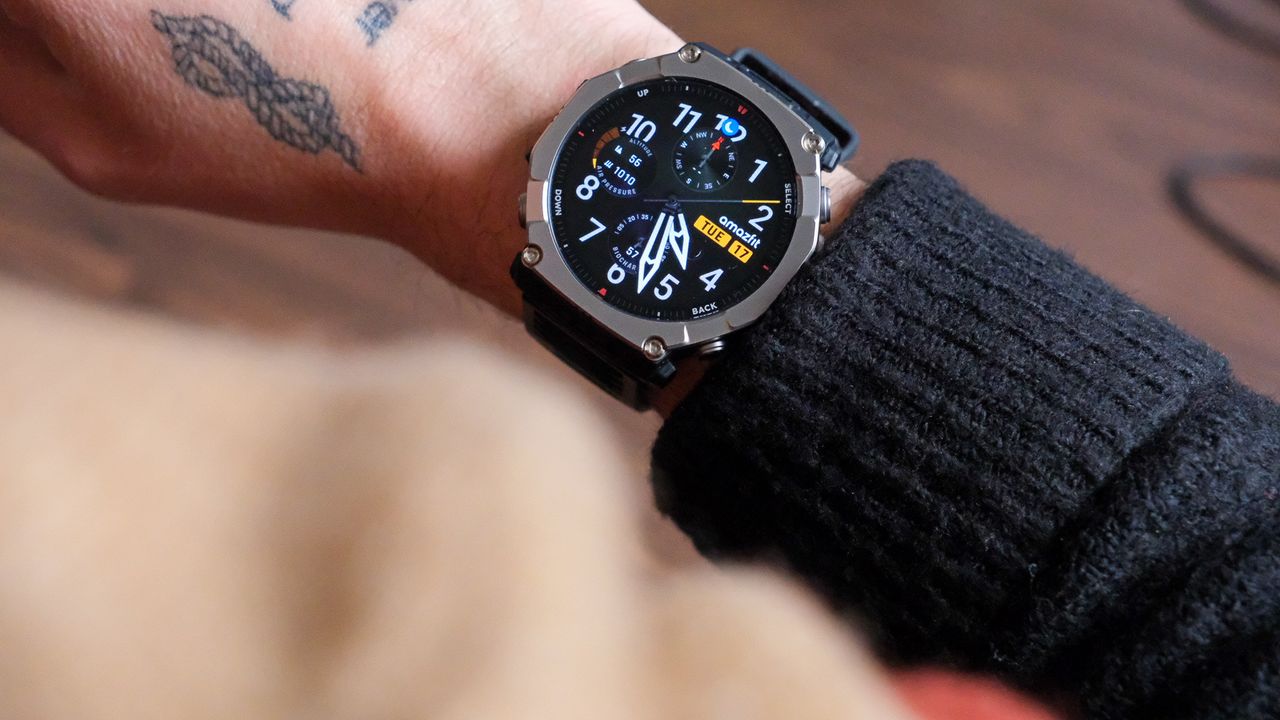
Recent launches include the Amazfit Active Max, Active 3 Premium and the rugged T-Rex Ultra 2, the latter of which pushes the brand into a new ~$550 price bracket.
That move upmarket is deliberate, with Zepp confirming its plans to “strengthen our premium product lineup” in 2026, pointing to more high-end watches on the way.
After launching around nine products last year, the company expects a similar number, or slightly more, in 2026, suggesting a packed release calendar covering multiple use cases, from everyday training to outdoor performance.
Training features are becoming the main battleground
Amazfit is also investing heavily in software, with features like Zepp Coach and BioCharge designed to deliver structured training guidance and recovery insights.
Looking ahead, the company says it will double down on AI-driven training insights and performance technologies, pushing its devices closer to full coaching tools rather than simple trackers.
The addition of connected devices such as the Helio Ring and Helio Strap reinforces Zepp's new direction of providing guidance rather than devices alone, pointing to a broader ecosystem that works across multiple form factors.

Amazfit is also investing in credibility by partnering with elite athletes and embedding its products in competitive events like HYROX.
It’s a clear move away from lifestyle positioning and toward performance-first use cases, similarly to what Apple is doing by sponsoring the London Marathon.
For us, that means more choice in a category that has been relatively stable at the top. For the industry, it signals a brand that is no longer content with competing on price alone.
With more devices on the way, higher price points, and a growing focus on training intelligence, 2026 is shaping up to be a pivotal year for Amazfit’s watch lineup.
[via Zepp Health]