
Get all your news in one place.
100's of premium titles.
One app.
Start reading
Livingetc
Livingetc
Amiya Baratan

Always Apologizing to Guests About Your Home? Here's What It Says About You, According to Psychology, and How to Break the Habit

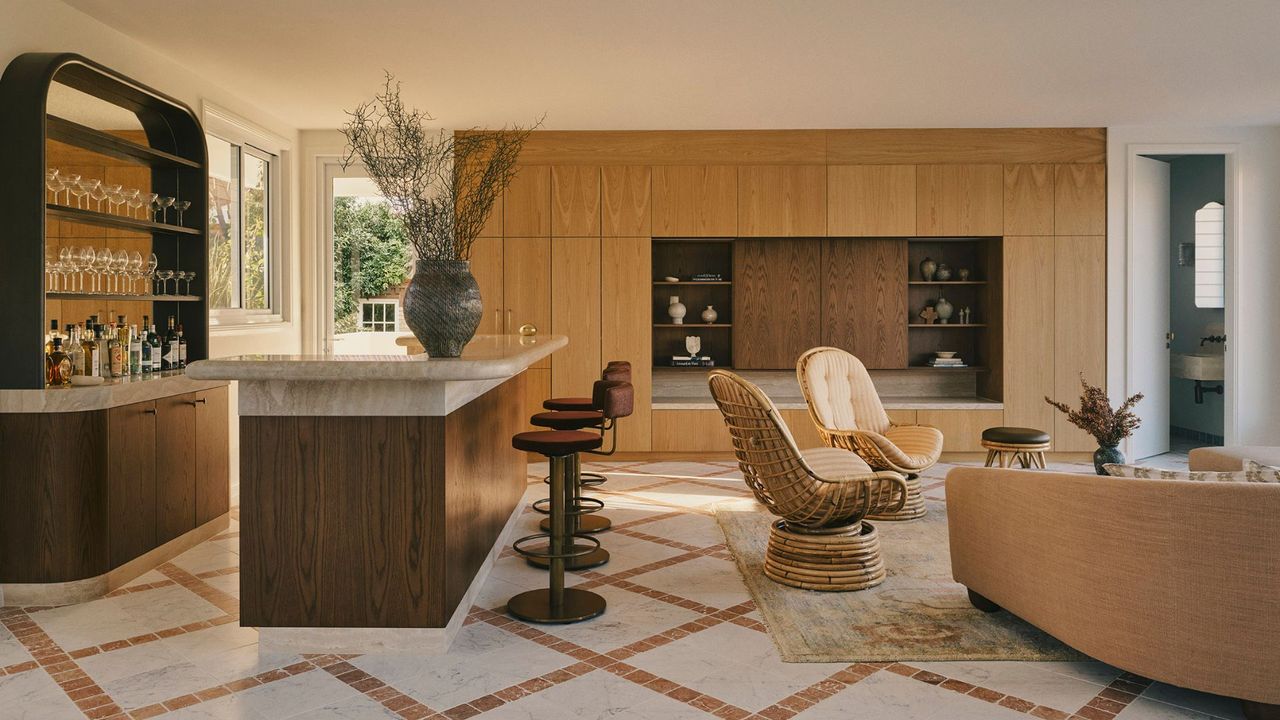
An open bar and living room with a mirrored bar, a stone and wood island, a set of swivel stools, a pair of woven chairs, and a TV console.

I'll admit that I often welcome guests into my home and quickly follow it up with a hasty apology for any sign that someone lives there. Although it sounds silly when I type it out loud, it feels like an instant safety blanket for any overlooked imperfections that might snag attention.

While there are positives to how hosting has influenced interior design, this desire for immaculate aesthetics feels like an overlooked downside. So, I asked psychologists why we feel the need to apologize for our homes.

And more importantly, how to step out of this cycle and build home confidence. Here's what they had to say about nurturing your relationship with your space.

Why Do We Apologize for Our Homes?

A house tour interwoven with mumbled apologies is an injustice to the walls that shelter you. (Image credit: Pablo Veiga. Design: SFN Build. Construction: Cosmo Farinola. Styling: Claire Delmar)

Dr. Max Doshay, PsyD, clinical psychologist, co-founder and CEO at KMN Psych, tells me that most people will say sorry about their homes based upon a belief that the quality of one's living space relates directly to how worthy the person who lives there is.

"In addition to evaluating your home when you ask someone into your home, you are essentially asking for them to judge you. The fear of being judged is what causes most people to feel uncomfortable enough to say sorry," he explains.

"The idea of comparing ourselves to others and thinking our home is somehow inferior has become commonplace due in part to the constant exposure we have to 'perfectly' styled homes on social media. It creates a false standard of perfection that makes many everyday homes appear subpar."

Max finds that many apologies for a home reflect a fear of some form of judgement or expectation from guests rather than an actual issue with the home itself. To indulge in the aspect of home wellness that promotes a healthy relationship with interiors that feel less performative and more real, it's important to actively change the way you view your space.

How Do You Stop Apologizing for Your Home?

Stopping yourself from apologizing begins with accepting your home for what it is. (Image credit: Mariela Apollonio. Design: Ramón Esteve Estudio)

Breaking any habit can feel tough. And with something as personal as your home, it can take time to disrupt your reflex to apologize and replace it with a healthier response.

To make it easier for you, here are three useful tips to help you stop apologizing for your home. It'll help you accept your living spaces as they are and banish some amount of stress when you're hosting.

1. Give Yourself Grace

Forgiving yourself for having company on a day where your home isn't absolutely up to snuff is important. (Image credit: Anson Smart. Design: Smac Studio. Styling: Jack Milenkovic)

Kelly Whaling, psychologist at Prosper Health, tells me that the very first step to breaking this cycle is cutting yourself some slack. "Start by giving yourself some grace when your home falls behind," she says.

"Prioritize the areas that affect safety, hygiene, and everyday functioning, and take small and manageable actions when you have the capacity." Then take pride in the home you've built. It's easy to get wrapped up in the imperfections, but sometimes the wabi-sabi of your home is the very thing that adds charm.

If you find confidence in little luxuries, this Virelle Vase from Ferm Living will inspire some of the elegance from the home above.

2. Pause Your Apology

Replacing apology with a simple explanation (if warranted) is a good place to start. (Image credit: John Gruen. Design: Sabin Viehland)

Although tricky in the moment, it's important to at least try to stop yourself from apologizing. And if you feel the need to provide context, whether you're justifying the interior design trends at play or explaining away an ongoing project, Kelly suggests acknowledging the situation without apologizing for it.

"For example, you might say, 'The kitchen is a little cluttered today,' and then move on. This can reduce the pressure to present a perfect home while helping you become more comfortable letting people see an ordinary, lived-in space."

A captivating piece of art is an instant conversation starter and a neat segue out of apologizing for your space.

3. Focus on How Your Home Feels

An intricately manicured home can sometimes come off as rigid. So, take confidence in the way your home feels in its relaxed state. (Image credit: Richard Kiely. Design: Topology Interiors. Construction: Russell Hewes)

Rebecca Boone, clinical director at Woodlands Grove Recovery, says that shifting your focus to how your home feels is a clever way to accept the inevitable lived-in pockets of space. "Accepting that your home doesn't have to be perfect is often part of accepting that you don't have to be perfect either," she says.

A home is meant to weather your everyday. It's ever-changing, and these moments of growth will show up in different frames. Knowing this and working with it rather than against it will strengthen your home confidence. And if you need some subtle reassurance that lived-in is a style statement of the moment, the time-poor aesthetic is all the proof you need.

If your attention was stolen by the lamp in the home above, this number from Soho Home is what you're looking for.

FAQs

What Should You Never Apologize for in a Home?

Max tells me you don't have to apologize for a home with evidence of living in it. "Also, you shouldn't apologize for how big, old, or decorated your home is. Whether you live in an apartment, rent an older house, or use simple furniture doesn't lower your worth, nor does it mean you can't be welcoming to visitors," he explains.

"Lastly, never apologize for making your home functional instead of perfect. The ultimate goal of your home is to provide a sense of security, comfort, and a place to connect with other people."

If you constantly feel out of sync with your home, it might be time to ask yourself why you always want to redecorate. For more advice on curating a home that feels secure and true to your vibe, sign up for the Livingetc newsletter.

Ferm Living Virelle Mouth-Blown Vase Dina Sterbrant On The Way Home Framed Wall Art Print Soho Home Kea Table Lamp
Sign up to read this article
Read news from 100's of titles, curated specifically for you.
Already a member? Sign in here
Related Stories
Top stories on inkl right now
One subscription that gives you access to news from hundreds of sites
Already a member? Sign in here
Our Picks
Fourteen days free
Download the app
One app. One membership.
100+ trusted global sources.