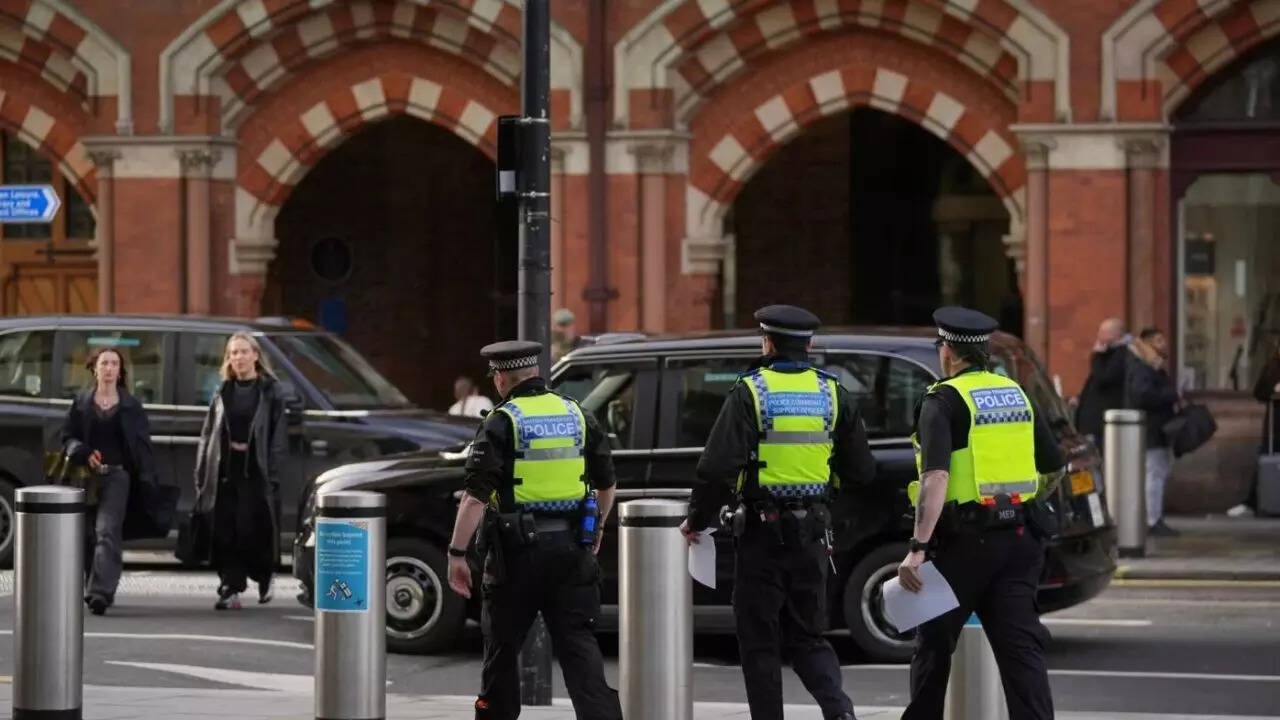
Britain is preparing for the most radical overhaul of its policing system since 1829, with the government set to unveil plans for a new National Police Service (NPS) — quickly dubbed the “British FBI.” The proposed force aims to take on terrorism, cybercrime, fraud, online child abuse and organised gangs, while freeing local police to focus on everyday crime.

Why is Britain creating a ‘British FBI’?
Home Secretary Shabana Mahmood says the current policing model — split across 43 local forces in England and Wales, is no longer fit for modern crime.
“Fraud, online abuse and international gangs don’t respect local boundaries,” Mahmood said, calling the existing system “built for a different century.”
Local officers, she argued, are being stretched thin — expected to investigate complex crimes without the specialist skills or national resources needed.
Mahmood insists it’s “absolutely not” a cost-cutting exercise, though the government expects savings by centralising procurement, sharing specialist resources, and reducing duplication across forces.
What will the National Police Service do?
The NPS will act as a centralised elite force, bringing together:
- Counterterrorism operations
- Major fraud and financial crime probes
- Online child exploitation investigations
- Organised and cross-border criminal gangs
- Police helicopters and national road policing
- Regional organised crime units
In effect, it will function as a UK-wide crime-fighting agency, similar in scope — though not identical in powers — to the FBI in the US.
What happens to local police forces?
Local police won’t disappear, but their role will change.
Under the new model, neighbourhood forces will focus on:
- Shoplifting
- Phone theft
- Anti-social behaviour
Complex and resource-heavy investigations will shift to the national body.
Who will lead it?
The head of the new force, titled the National Crime Commissioner, will become the most senior police officer in the country, overtaking the commissioner of London’s Metropolitan Police, who currently holds that position.
Why now?
The reforms come amid rising public concern over:
- Fraud becoming Britain’s most common crime
- Explosive growth in online and tech-enabled offences
- Police struggling to balance serious crime with local policing
The government is pitching the plan as a once-in-a-generation reset — the biggest policing reform since Sir Robert Peel founded the first professional force nearly 200 years ago.
What’s next?
- Full proposals will be presented to Parliament on Monday
- Changes may include merging or reducing police forces
New recruitment and management structures are expected
The idea has already won cautious backing from senior police leaders, including London’s Metropolitan Police, which currently leads counterterrorism operations.