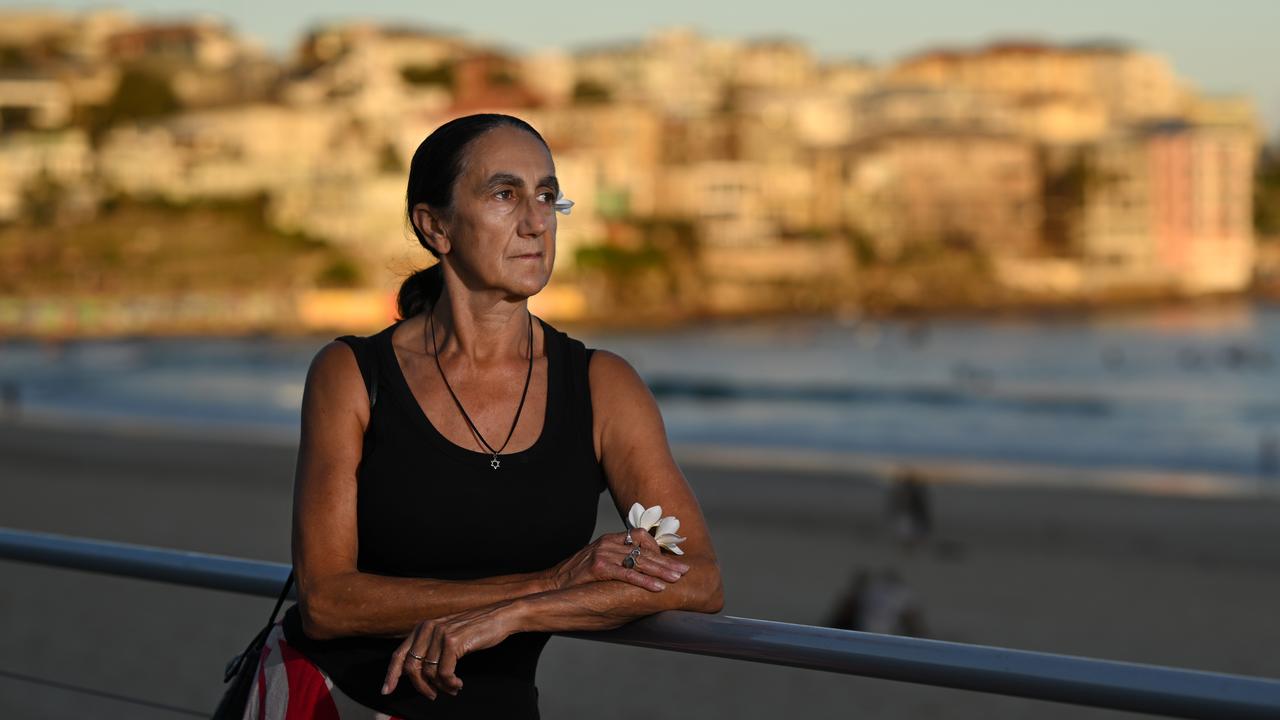
A wave of hate tied up with the actions of the Israeli state has swelled against Australian Jews, painting them as both oppressor and oppressed.
Jewish people were generally not considered a marginalised group or even part of multicultural Australia, but that all changed after Hamas killed 1200 Jews in Israel, sparking the war in Gaza, some Jewish Australians say.
While coming to terms with the Jewish deaths on October 7, 2023, Stephanie Cunio said she and others had a wave of anger and hatred directed at them that felt rooted in the actions of the Israeli government.
"Australian Jews are not responsible for the actions of the Netanyahu government any more than Chinese Australians were responsible for COVID or Russian Australians are responsible for the actions of Putin," Ms Cunio told AAP.
"I definitely remember a couple of people saying to me, 'well, if Netanyahu would just stop the war in Gaza, there wouldn't be any anti-Semitism'.
"Of course I want Netanyahu to stop the war on Gaza. He's a maniac."
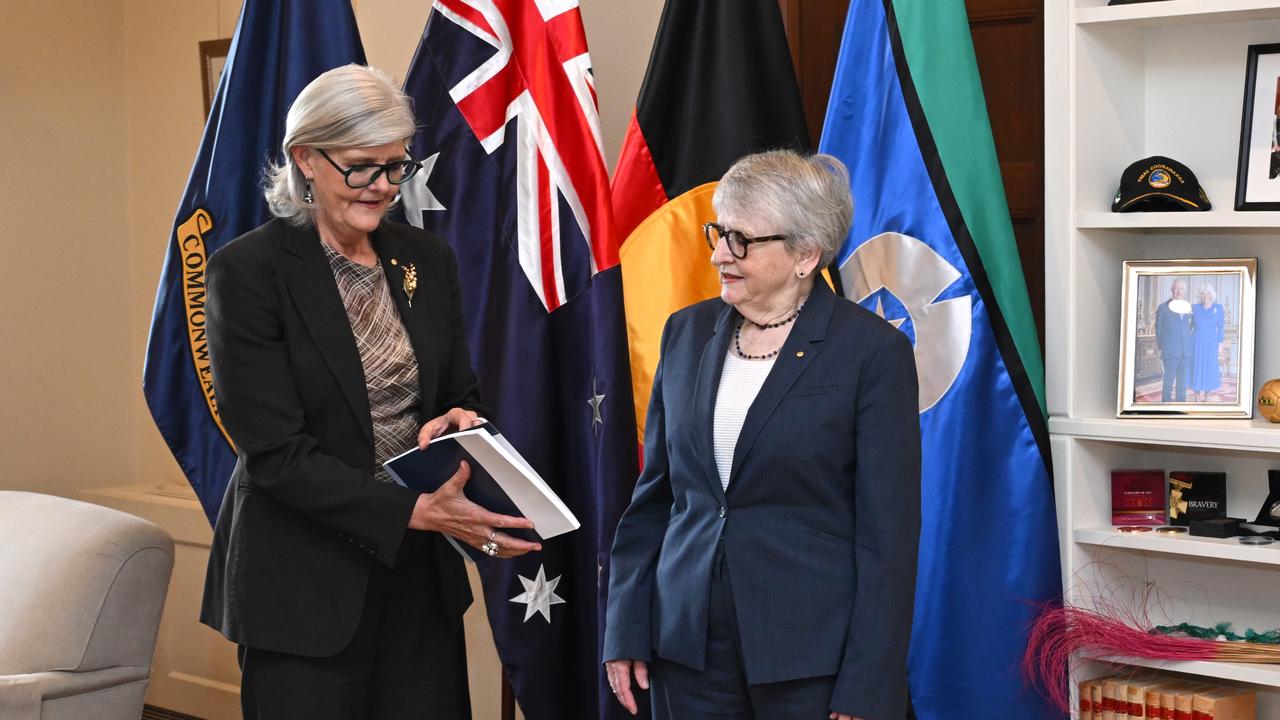
Ms Cunio will be among those sharing their experiences during the Royal Commission on Anti-Semitism and Social Cohesion's first public hearings, beginning on Monday.
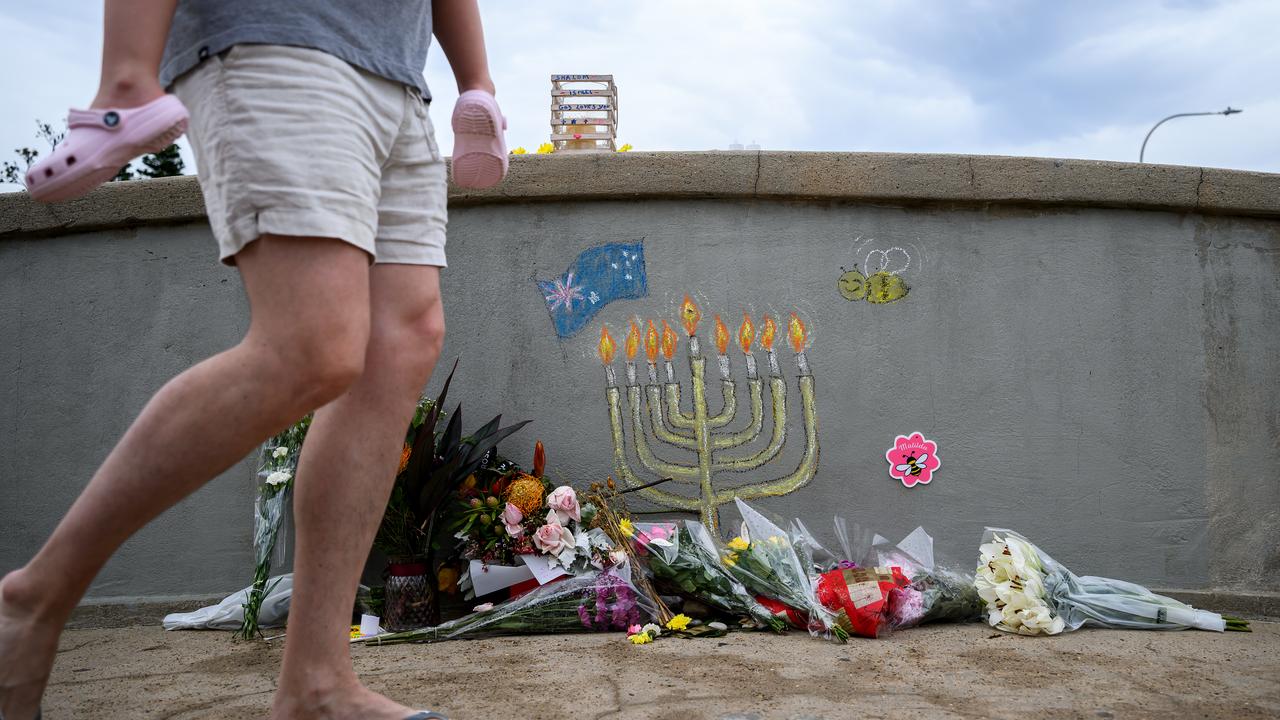
An initial report by the commission focusing on the intelligence and security response to the Bondi terror attack on October 14 was released on Thursday, with the federal government adopting all of its 14 recommendations.
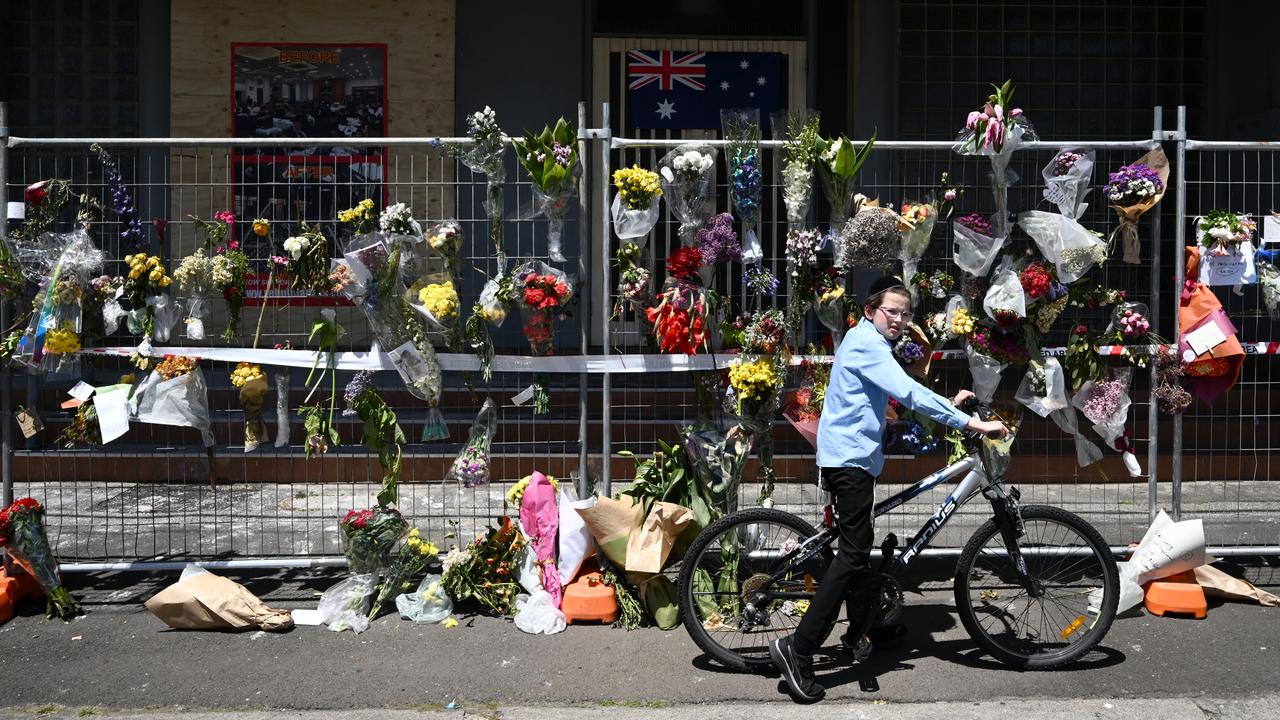
On Monday, attention will turn to the experiences of the Jewish community, many of whom say they lived with a sense of fear, culminating in the deadly attack at Bondi.
Deakin University anti-Semitism researcher Matteo Vergani described the commission's probe of anti-Semitism as a political minefield.
"It's really difficult to disentangle anti-Semitism from criticism of Israel and anti-Zionism," he told AAP.
"People may criticise Jewish governments, but do they do it because they don't like Jewish people and they negate the legitimacy of Israel? Or do they do it because they are criticising the Israeli government in the same way in which they criticise any government?
"For that reason, the whole debate about what anti-Semitism is is really complex."
For Nikki, who prefers to use only her first name, having already been doxxed and threatened, her experience of anti-Semitism was all too real.
Within a day of having her details made public, Nikki said she received about 100 emails and phone calls including death threats calling her, among other things, "un-Australian", "pro-genocide" and a "Jewish rodent".
"I had activists find a photo of my children and post it and say, 'this is her family, go and get them'," she told AAP.
Nikki said she had contacted police, but nothing had come of it.
She said her school-aged children had been afraid of being identified as Jewish at the time.
Nikki said she was often met with silence when she raised her concerns, or further anti-Semitic attacks, such as having posts on social media taken down.
"Every time we'd try to post anything about the Jewish experience in Australia, they were like, 'we're not talking about the Middle East'," she said.
"We were like 'neither are we, we're talking about what's happening to us here in Australia'.
"It just became a black and white monolithic thing and it was sort of this assumption that as a Jewish person, I didn't have empathy for the loss of lives on the Palestinian side."
Ms Cunio said Jewish people like her who believed Israel had a right to exist were seen as perpetuating violence, despite her being pro-Palestine and calling attacks on Gaza genocide.
"I understand why that theory exists, and how, if you want to achieve really big change, you've got to focus on the very large harms, and the very large harm here is the displacement of Palestinians and the occupation," she said.
"But October 7 was not a small harm to a Jewish person.
"To have that cancelled by people that I've worked alongside was just very difficult to take."
Nikki believes Israel is "the excuse, not the reason" behind much of the anti-Semitism.
"As a Jew in Australia, 13,000 kilometres away from a conflict, it's irrelevant what I think. I have no power to change that," she said.
"If somebody wants to hold me responsible for a foreign government, that's anti-Semitic. For people to call me a genocidal baby killer because of something that the Israeli government is allegedly doing or perceived to be doing by them, it's not acceptable.
"I have never served in the IDF (Israel Defence Forces). I'm not even an Israeli citizen."
To Ms Cunio, the wave of anti-Semitism is part of a broader issue Australia has with racism, historically towards First Nations people and more recently Chinese, Indians, Muslims and others.
"It's all racial hatred, because all of us are being treated differently because of the country, the culture or the religion. How we look, how we eat, how we dress," she said.
The term "social cohesion" being used by the commission has come under fire from some - including Australia's race discrimination commissioner - who say it is deliberately vague to avoid addressing the real issue.
"I despair about the government and this focus on so-called social cohesion, and not being able to say the word racism," Ms Cunio said.
"You reach a state of social cohesion by addressing racism. You have the difficult conversations.
"Something that allows us to rebuild our rich, multicultural, multi-dimensional democracy that we're in, which is so fractured at the moment."
The royal commission has received more than 5700 submissions, almost 2000 of them in the past week.
More than 4000 were from people who identify as Jewish, and more than 1000 from people who do not, with the remainder preferring not to say.
The commission said a significant number of submissions covered its terms of reference, with an overwhelming amount detailing lived experiences of anti-Semitism across various sectors including education, employment, media, health, the arts, sport and online.
The commission will hold an initial block of public hearings in Sydney from Monday until May 15, addressing Jewish-Australians' lived experiences of anti-Semitism.
The commission will hand down its final report before the end of the year.