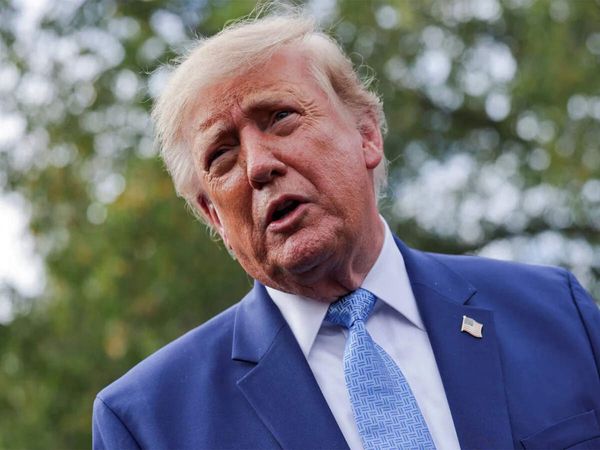
The US and Israel assassinated Iran’s supreme leader, Ayatollah Ali Khamenei, in a joint operation in late February. In a post on social media, Donald Trump boasted that Khamenei was “unable to avoid our Intelligence and Highly Sophisticated Tracking Systems”. Trump added that “there was not a thing he, or the other leaders that have been killed along with him, could do”.
The US helped plan the operation, provided key intelligence to identify Khamenei’s location and destroyed Iranian defences to pave a path for his executioners. But the US did not pull the trigger. Israeli warplanes launched the strikes that ultimately killed Khamenei.
While the rationale for this division of labour is unclear, it is not unusual for US assassination plots. Declassified documents, some of which we have published ourselves at the National Security Archive, a research institute at George Washington University, reveal striking details about the long history of the US seeking allies and proxies willing to cooperate to kill.