Get all your news in one place.
100's of premium titles.
One app.
Start reading
The Times of India
The Times of India
World
TOI World Desk

Alabama researchers have tested ordinary and UV-protective umbrellas, and the specialised canopy was nearly 5°F cooler than full sun

Stepping outside into scorching summer heat often leaves pedestrians searching for any patch of shade. While most people instinctively reach for broad-spectrum sunscreen, wide-brimmed hats or dark sunglasses, dermatologists at the University of Alabama at Birmingham decided to evaluate an everyday tool that has been used for sun protection across Asia for centuries: the humble handheld umbrella. Their study examined how different handheld umbrellas reduce ultraviolet exposure and heat, finding that even ordinary rain umbrellas can provide substantial protection under direct summer sunlight.

Get breaking news anytime, anywhere. Download the TOI app now!

According to research published in the National library of medicine , researchers evaluated twenty-three different handheld umbrellas under direct afternoon sunlight. To ensure accurate real-world measurements, the team conducted the tests outdoors under cloudless skies between 11:05 a.m. and 11:58 a.m., when the UV index was high. The researchers compared standard rain umbrellas with specialised UV-protective models, measuring how different fabrics blocked ultraviolet radiation and influenced the temperature beneath the canopy.

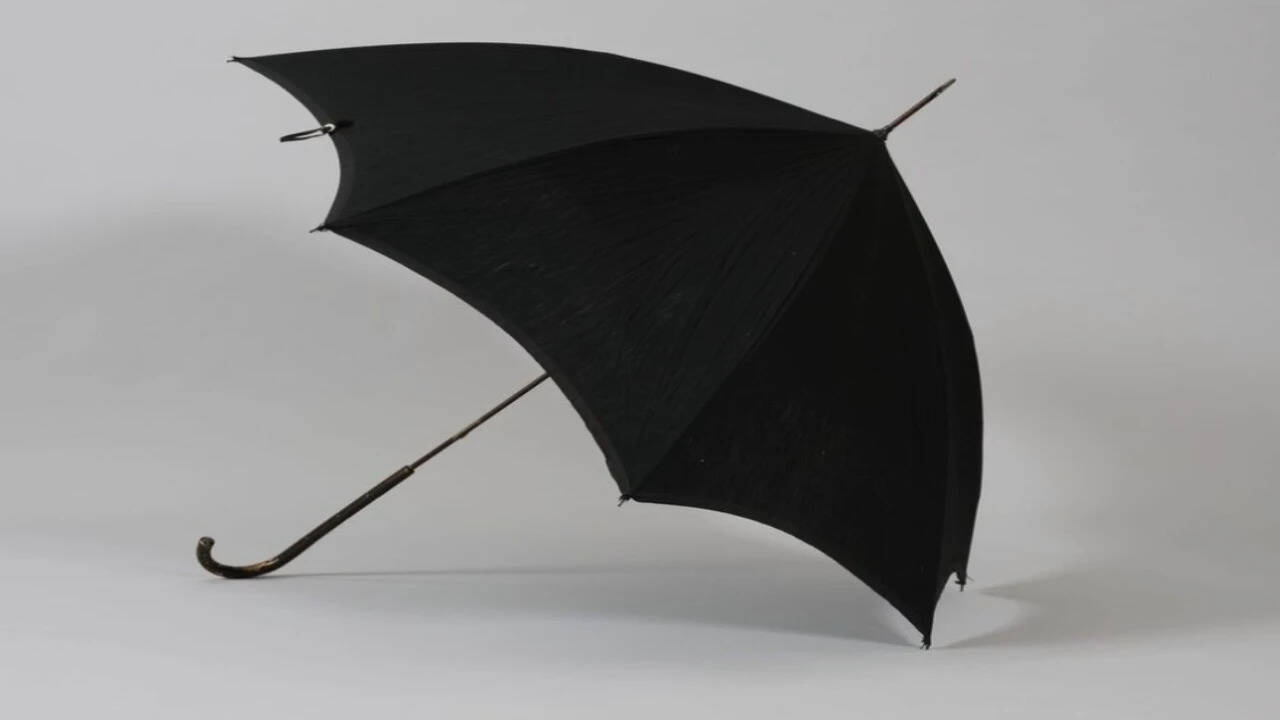
As indexed in medical research records on PubMed , measurements taken with calibrated radiometers demonstrated that all of the umbrellas tested provided substantial protection, blocking between 77 per cent and 99 per cent of ultraviolet radiation. Standard black rain umbrellas performed well, blocking approximately 90 per cent of ultraviolet radiation because of their dark dye and tight weave. Silver-coated sun umbrellas performed best, blocking more than 99 per cent of ultraviolet radiation while lowering the air temperature beneath the canopy by nearly five degrees Fahrenheit compared with direct sunlight.

How fabric coatings alter heat and radiation absorption

The cooling effect comes from how different canopy fabrics interact with the light spectrum. Sunlight consists of visible light, ultraviolet radiation which causes skin damage and infrared radiation which generates surface heat. Dark fabrics absorb more solar energy than reflective materials. Although they still provide effective shade from ultraviolet radiation, some of the absorbed heat can gradually warm the air beneath the canopy.

In contrast, specialised silver umbrellas utilise a reflective metallic coating on the outer surface of the fabric. This reflective layer acts like a mirror, bouncing both invisible heat rays and visible sunlight back into the atmosphere before the energy can penetrate the canopy. The reflective coating reduced heat buildup on the umbrella surface, helping keep the air beneath the canopy cooler during testing. The findings suggest that while ordinary rain umbrellas provide substantial ultraviolet protection, purpose-built UV umbrellas offer additional cooling benefits during prolonged exposure to direct sunlight.

The researchers noted that every umbrella tested reduced ultraviolet exposure to some degree, showing that portable shade can provide meaningful protection even without specialised materials. However, reflective UV umbrellas consistently delivered the greatest combination of ultraviolet shielding and cooling, making them particularly useful during prolonged exposure to strong summer sunlight.

Why simple personal shade matters for skin health

These findings suggest a practical and affordable way to reduce sun exposure and heat stress. For individuals who work outdoors, wait at bus stops, or suffer from extreme heat sensitivity, carrying a portable canopy offers immediate shade wherever they walk, eliminating the reliance on trees or building overhangs.

Dermatologists emphasise that umbrellas should complement, rather than replace, established sun-protection measures such as broad-spectrum sunscreen and protective clothing, sunglasses and adequate hydration. Together, these measures can reduce ultraviolet exposure and help lower the risk of heat-related illness during periods of intense summer sun.

Sign up to read this article
Read news from 100's of titles, curated specifically for you.
Already a member? Sign in here
Related Stories
Top stories on inkl right now
One subscription that gives you access to news from hundreds of sites
Already a member? Sign in here
Our Picks
Fourteen days free
Download the app
One app. One membership.
100+ trusted global sources.