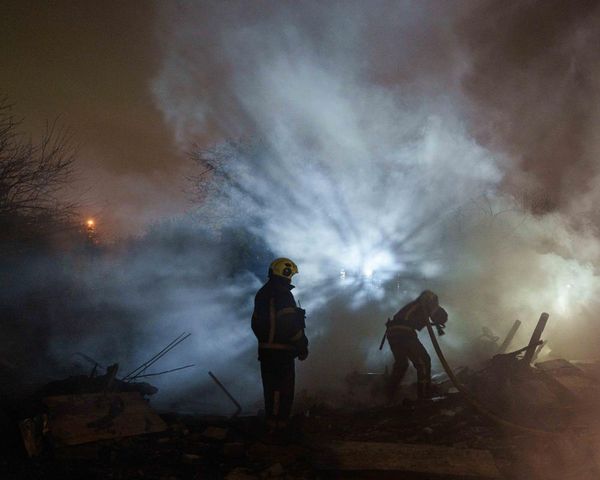
Several schools in Delhi close during winter for at least two weeks because of high air pollution levels. Every winter, widespread crop burning in north India and weather conditions add to the already high air pollution levels from traffic, industry and waste burning, which build a thick smog, block sunlight, and make the air heavier to breathe.
Hospitals are hard-pressed to receive a large influx of patients with respiratory and cardiovascular illnesses. But is this problem restricted to exposures over short periods in winter or is it a year-around phenomenon? And how many people die from such high air pollution exposure?
Research in other parts of the world has consistently found microscopic particles suspended in the air to be harmful to health. These fine particles, known as PM2.5, measure less than 2.5 micrometres in diameter, 30 times smaller than human hair.