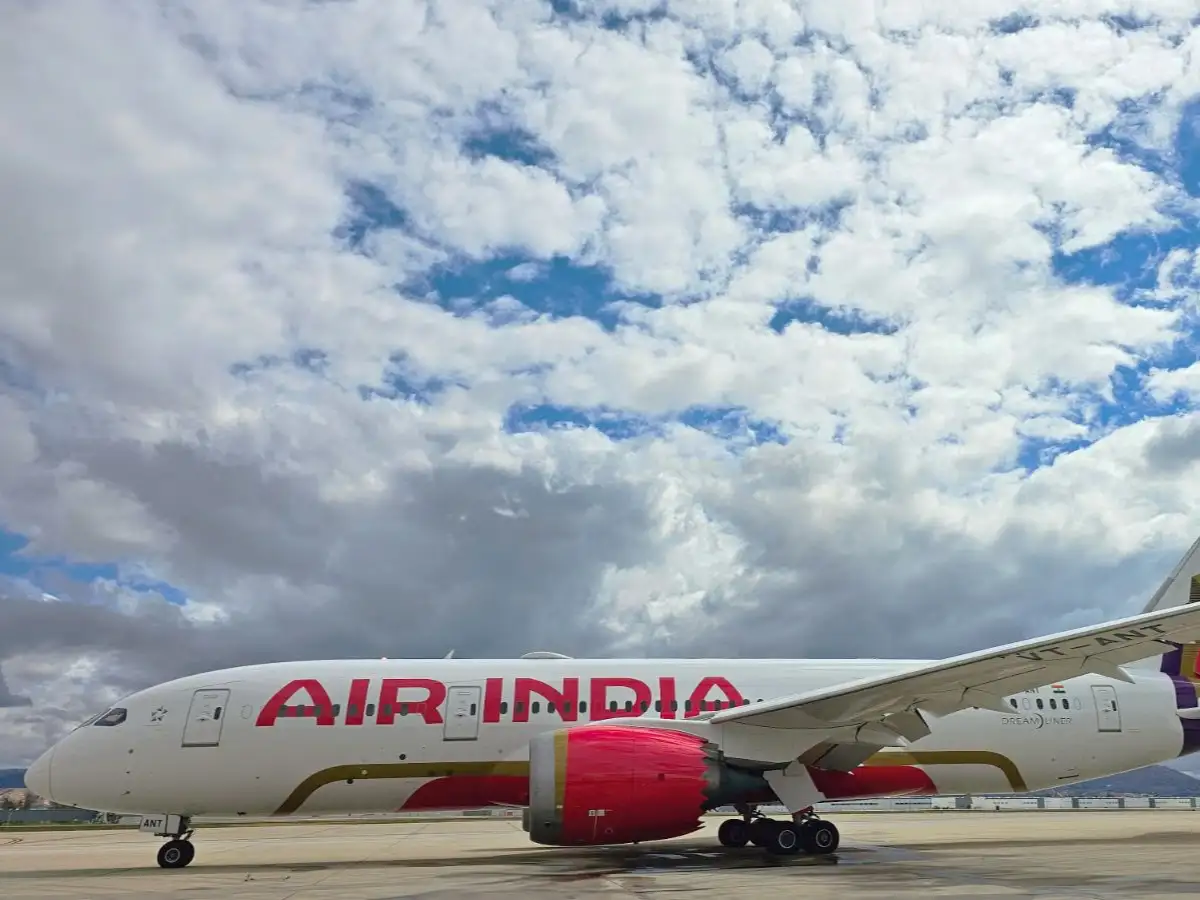
Mumbai: Air India’s mounting losses may well reach Singapore’s parliament, with an opposition politician questioning the commercial logic of Singapore Airlines backing the Tata-owned airline, which has reportedly asked for a $1.5 billion bailout from its stakeholders to help effect a turnaround.
Workers’ Party MP Kenneth Tiong Boon Kiat opposed any future use of Temasek funds to support Air India through Singapore Airlines (SIA), which owns about 25% of the Indian carrier.

Also Read: Singapore Airlines says tangible progress made in Air India's fleet renewal, service enhancements
Temasek Holdings–the Singapore government-owned multinational investment firm–is SIA’s largest shareholder. Tata owns the remaining 75% of Air India.
In a letter to Singapore transport minister Jeffrey Siow, Tiong asked whether Air India’s losses have been assessed against SIA’s capacity to provide essential transport services and whether they engage the notification duty attached to SIA’s designated status under the Civil Aviation Authority of Singapore Act.
He sought an oral answer in the September 8 parliamentary session. “This is not only a question for private shareholders,” he said. “Whichever of the two writes the cheque, it will have a significant impact on Temasek. No one, least of all Singaporeans, owes Air India a living. I will not support, nor expect, any future use of Temasek's funds to prop up Air India via Singapore Airlines. If Singapore Airlines wants to continue its bet on Air India, it should do so on its own two feet, and not on Temasek's.”
Temasek declined to comment. SIA and Air India did not respond to queries.
Tiong posted his letter to the minister on his social media page. He couldn’t be reached for comments on his mobile.
In a letter to Singapore transport minister Jeffrey Siow, Tiong asked whether Air India’s losses have been assessed against SIA’s capacity to provide essential transport services and whether they engage the notification duty attached to SIA’s designated status under the Civil Aviation Authority of Singapore Act.