
It is not just about the office playlist: artificial intelligence technology could deepen Australia's generation gap in the workplace.
A study released by analytics firm Amplitude on Thursday found older workers were significantly less likely to trust decisions by AI tools than their younger colleagues, creating tension between the groups.
But the trend could also have a dire effect on business productivity, the study warns, as senior managers fail to provide guidance about its use.
The findings come weeks after the federal government signed a deal with US firm Anthropic to share details of AI adoption in Australia, and as it established the AI Safety Institute.
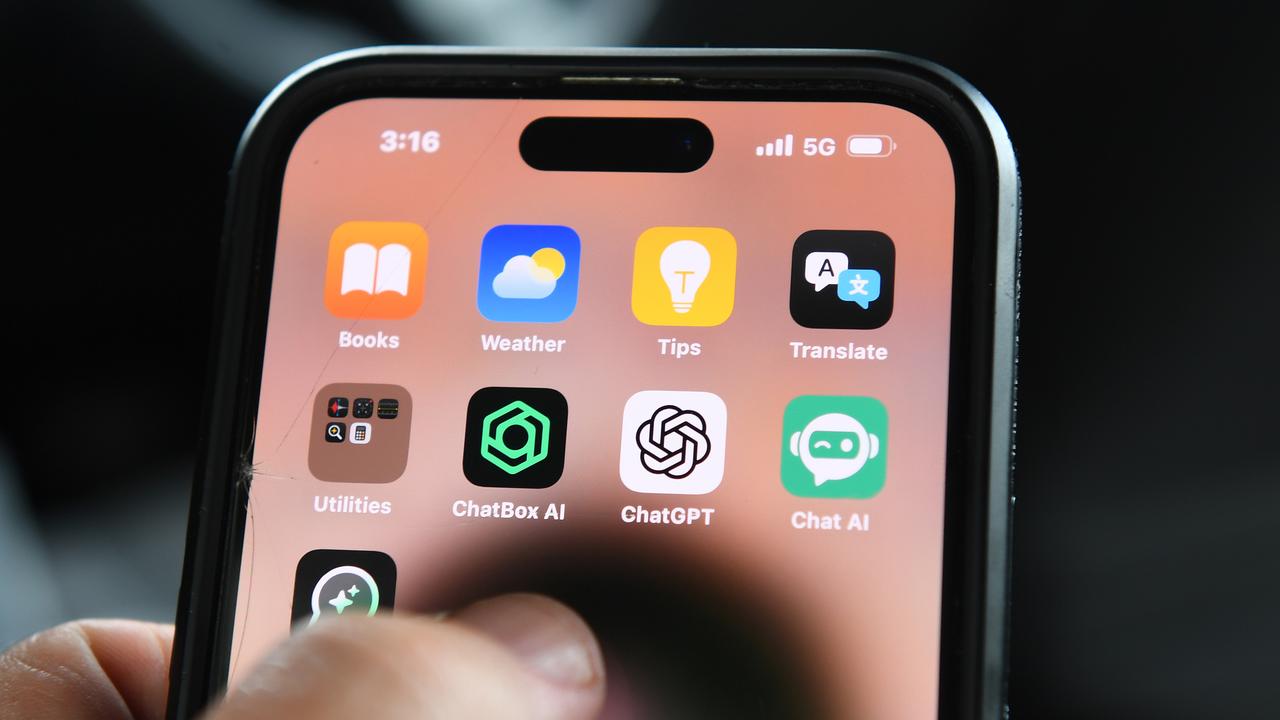
Amplitude surveyed more than 1000 Australian office workers for its annual study to assess their knowledge and use of AI tools, as well as their trust in them.
Researchers found more than one in four workers (27 per cent) used AI technology daily, one in three (33 per cent) used it a few times a week, and only 15 per cent avoided AI at work.
Younger workers were almost twice as likely to use AI to complete tasks, with 39 per cent of people between 18 and 24 years deploying the technology, compared with 20 per cent of workers between 55 and 64.
Generation Z members were also much more likely to trust AI judgments over their own, the study found, at 31 per cent compared with just four per cent from the older generation.
The AI gap could cause tension between the groups, Amplitude Asia Pacific value head Mark Drasutis said, as well as poor business strategies.
"There's a whole generation that grew up with the internet ... but there's also a generation of leaders and a generation of people within organisations who didn't," he told AAP.

"It leads to a lack of strategic guidance from the senior ranks within a business."
Senior managers had a responsibility to establish AI policies and training for the entire workforce, Mr Drasutis said, or they could risk limiting a business' potential and exacerbating skills shortages.
"Everyone's right to be sceptical but not to the level where you turn it off because you're going to disadvantage your employees, your business," he said.
"You're going to end up with this fractured workplace (where) the team's dynamic doesn't quite work."
The study found many workers avoided using AI technology for judgement-heavy tasks such as strategic planning (28 per cent) and data analysis (25 per cent), with the most popular uses writing emails and reports (44 per cent) and summarising information (38 per cent),
In December, the government issued Australia's National AI Plan that called for greater investments in local AI infrastructure, and committed $29.9 million to the AI Safety Institute.