Artificial intelligence (AI) startup Pramaana Labs has raised $27 million in a seed funding round led by Khosla Ventures. Accel, BoldCap, Nexus Venture Partners, Premji Invest and Unbound are among other investors that participated.
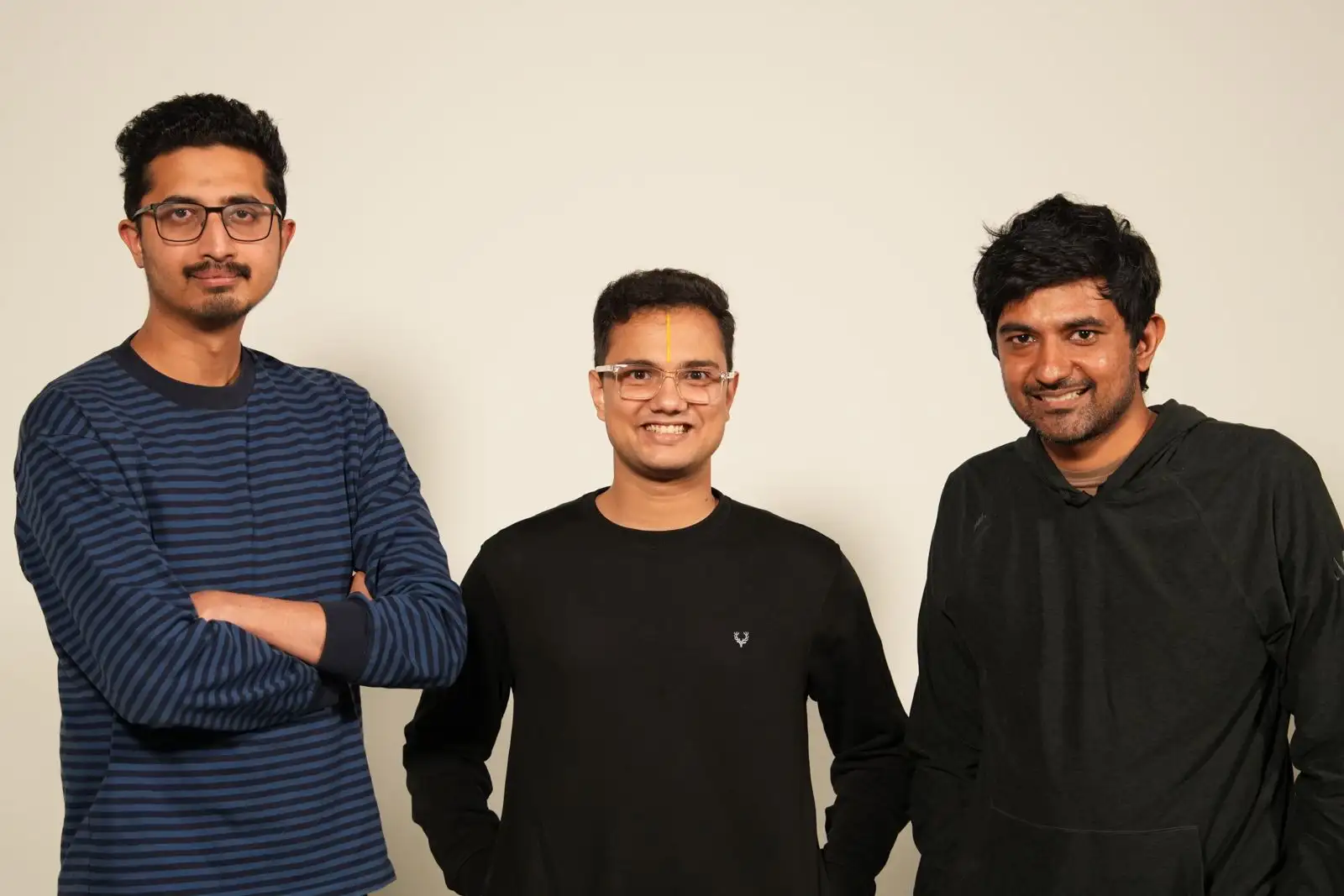
Founded in 2025 and headquartered in Palo Alto, California, Pramaana was founded by IIT Madras alumni Ranjan Rajagopalan, Krishnan Raghavan and Sanjay Ganapathy. It builds technology to make AI answers mathematically verifiable.

As per the company, its system converts complex knowledge, such as the US tax code, clinical protocols, and financial regulations, into a formal language that a machine can understand. When a user asks a question, the system turns it into a formal statement, runs it through a proof engine, and either returns a checkable proof that the answer is correct or explains exactly which rule it breaks and why.
The startup claims that its system may refuse to answer a question, but will not guess, adding that it has never produced a confidently wrong verified answer.
The startup will use the new funding to train Pramaana's formalisation and proof-checking models, expand its AI research staff, and venture into regulated areas such as tax, medical diagnosis, cybersecurity and financial compliance.
"AI has an accountability gap," cofounder and CEO Rajagopalan said in a statement. "Every domain where being wrong can cost someone their health, money, or freedom has rules. Pramaana encodes those rules into a form a machine can reason over with certainty."
Pramaana has roped in professors from IIT Delhi, IIT Madras and UC Berkeley for its research lab, and collaborates with Stanford's Centaur Lab. Its tax-formalisation work is advised by Danny Werfel, a former IRS Commissioner, along with researchers from Yale Law School and Stanford.
Early backers of the startup include Google DeepMind vice president Pushmeet Kohli, and senior Microsoft executive Sriram Rajamani.
Rajagopalan previously led Google Maps Moderation, Raghavan worked on Glean's AI assistant and Ganapathy was a former staff research engineer at Google DeepMind. He also contributed to Gemini's tool-use systems.