
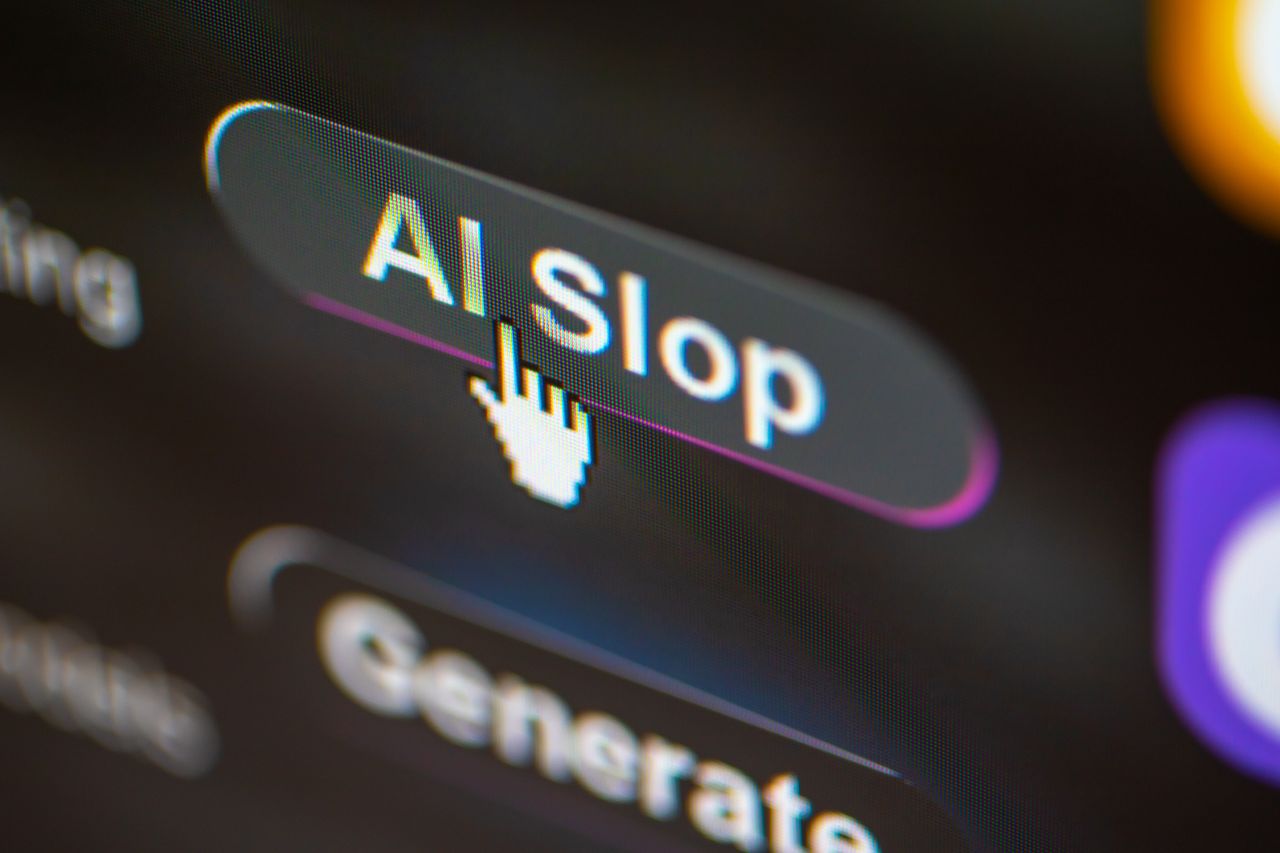
AI slop might be everywhere, but are people no throwing the term around too lightly? There's been a spate of cases of indie games being branded AI slop in reviews even when their developers claim not to have used any generative AI
It's an issue that's likely to spread to other areas of entertainment too from film to music, and it could harm sales. But is it really unfair, and what can be done about it?
Developer: "No generative AI was used to make my game"Review: "AI SLOP. This game is clearly slopped together by an AI"It's crazy how anyone can accuse games of using AI with zero proof or repercussions, while innocent and hard working devs suffer the consequences. pic.twitter.com/3MXMygGAuwJune 28, 2026
A Canadian indie developer sparked debate with a recent post in X noting a contradiction between a review on Steam and a developer's claims not to have used any generative AI.
"It's crazy how anyone can accuse games of using AI with zero proof or repercussions, while innocent and hard working devs suffer the consequences," they write.
I won't offer an opinion on whether the game in question is AI slop or not, but the case highlights something that's becoming a difficult issue for developers in this age of AI content. Over on Reddit, some game developers suggest that 'AI slop', has become the "new standard insult" and is often used without evidence.
That sets up a conflict that's becoming more common as it gets more difficult to tell what's AI or what's not AI. Steam has rules requiring developers to declare when a game was made using generative AI, but users complain that many developers breach the requirement.
It's easy to see why when a recent survey of nearly 10,000 Steam releases by Game Oracle found that games that disclose AI use averaged just four reviews in their first month compared to seven for non-AI titles. Almost 20% of games made using AI received no reviews at all, while their average review scores were significantly lower than games that didn't declare AI use.
Some are now suggesting that accusatory reviews should should pass through an audit process to weed out baseless claims given how much a bad review can harm a small indie developer. But are AI accusations really a unique problem?
It's far from being the first controversy around online reviews. In other sectors, hotels and restaurants claim to have been threatened with negative reviews on platforms like TripAdvisor if they don't give in to customer demands. All kinds of businesses have complained about rivals attacking them with negative reviews on Google Maps.
At least on Steam, users need to have a registered history of playing a game before they can review it. Developers can report reviews and request review bombing investigations if they feel human evaluation is needed.
Perhaps the most effective solution is for developers to write responses. It takes time, but a well-written and reasoned rebuttal can counteract the impact of an outlying negative reviews. Ultimately, other potential customers need to apply their own judgement and decide for themselves how reliable they think a review is based on the amount of detail offered to back up the opinion.
What do you think? Is intervention necessary, or are accusations of AI slop something that developers need to learn to live with?