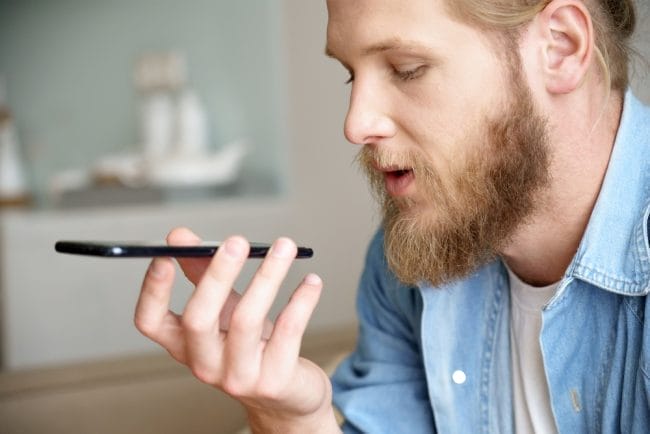
We use AI to write emails, plan vacations, and even generate meal plans. But can we use it to fix our hearts? As therapy costs rise and waitlists grow, a new wave of AI-powered relationship apps is flooding the market. They promise instant, unbiased advice at 2:00 AM when you are crying in the bathroom.
It sounds futuristic and convenient, but is it safe? Relying on an algorithm to navigate the complexities of human emotion is a gamble. Before you download that “pocket therapist,” you need to understand the pros, the cons, and the dangerous limitations of AI relationship coaching.

The Appeal of the 2:00 AM Vent Session
The biggest selling point of AI coaching is accessibility. Conflict doesn’t happen on a 9-to-5 schedule. It happens late at night or on weekends. When you are spiraling after a fight in the middle of the night, your therapist is asleep. The bot is awake.
Having a neutral space to vent immediately can de-escalate a situation. It allows you to process your anger before you say something you regret to your partner. In this sense, the AI acts as a pressure valve, preventing an explosion. It listens without interrupting, which sometimes is all we need to calm down.
Neutrality vs. Empathy
AI is programmed to be objective. It doesn’t take sides, and it doesn’t judge. For some, this is comforting. It won’t roll its eyes when you complain about the same issue for the tenth time. It offers scripted, logical responses based on psychological frameworks.
However, neutrality is not empathy. A bot simulates care, but it doesn’t *feel* it. The healing power of therapy often comes from the human connection—the feeling of being truly seen and understood by another person. AI cannot replicate that resonance. It offers data, not comfort. It mimics the lyrics, but it doesn’t know the music.
The Danger of Generic Advice
AI models are trained on vast amounts of data, which means they often regress to the mean. They give average, generic advice. While telling you to “use I statements” is generally good advice, it might be dangerous if you are in an abusive relationship.
An AI might not pick up on the subtle nuances of gaslighting or coercion. It might encourage you to compromise with a narcissist or communicate better with an abuser. Because it lacks intuition, it can inadvertently validate harmful dynamics, putting you at risk of staying in a situation you should be leaving.
Privacy Risks
When you pour your heart out to an app, where does that data go? Relationship details are the most sensitive data we possess. Many of these apps have vague privacy policies, and your trauma could be used to train the next version of the bot.
There is a risk that your intimate confessions could be hacked or leaked. Unlike a therapist who is bound by HIPAA and strict confidentiality laws, an app is a tech product first and a health tool second. You are the user, but your data is the product.
Good for Scripts, Bad for Trauma
AI excels at tactical advice. If you need help phrasing a difficult text message or coming up with date night ideas, it is a fantastic tool. It can role-play a conversation to help you practice setting a boundary before you do it in real life.
However, it is terrible for deep trauma work. It cannot help you unearth the childhood roots of your attachment style or hold space for your grief. It can’t hand you a tissue. Do not use a calculator to solve a poetry problem.
The Empathy Gap
Relationships are messy, illogical, and deeply human. Attempting to optimize them with code misses the point. The goal of marriage isn’t efficiency; it is connection. While AI can be a helpful supplement—a digital crutch when you are limping—it cannot replace the human work of repair.
If you use these tools, treat them like a self-help book that talks back. Take the advice that resonates, discard the rest, and never let an algorithm make life-altering decisions for you.
A Tool, Not a Savior
AI relationship coaching is here to stay, and it will get smarter. But it will never have a heart. Use it to draft a text, but save your soul for a human.
Would you trust a robot to give you marriage advice? Let us know your thoughts in the comments!
What to Read Next…
- Are You Underestimating The Cost Of Staying In A Stressful Relationship?
- 10 Protective Habits Women Develop After A Toxic Relationship
- 8 Emotional Wounds Women Carry From “Almost” Relationships
- Love is Blind, But Debt is Real: 6 Relationship Traps Draining Your Financial Stability
- 8 Toxic Relationship Patterns That Are Hard to Spot but Easy to Excuse
The post AI Relationship Coaching: Can a Bot Really Save Your Marriage? appeared first on Budget and the Bees.