AI is now fuelling more than a quarter of cases of non-consensual sexual image sharing of children, while also increasingly becoming a victim's confidant.
Breakthrough research released by the International Centre for Missing and Exploited Children Australia detailed the prevalence of AI in the online sexual victimisation of children.
At least one in 25 Australians has experienced, or has a close friend who has experienced, online sexual victimisation involving AI before the age of 18.
That is at least one young person in every Year 12 classroom across the nation.
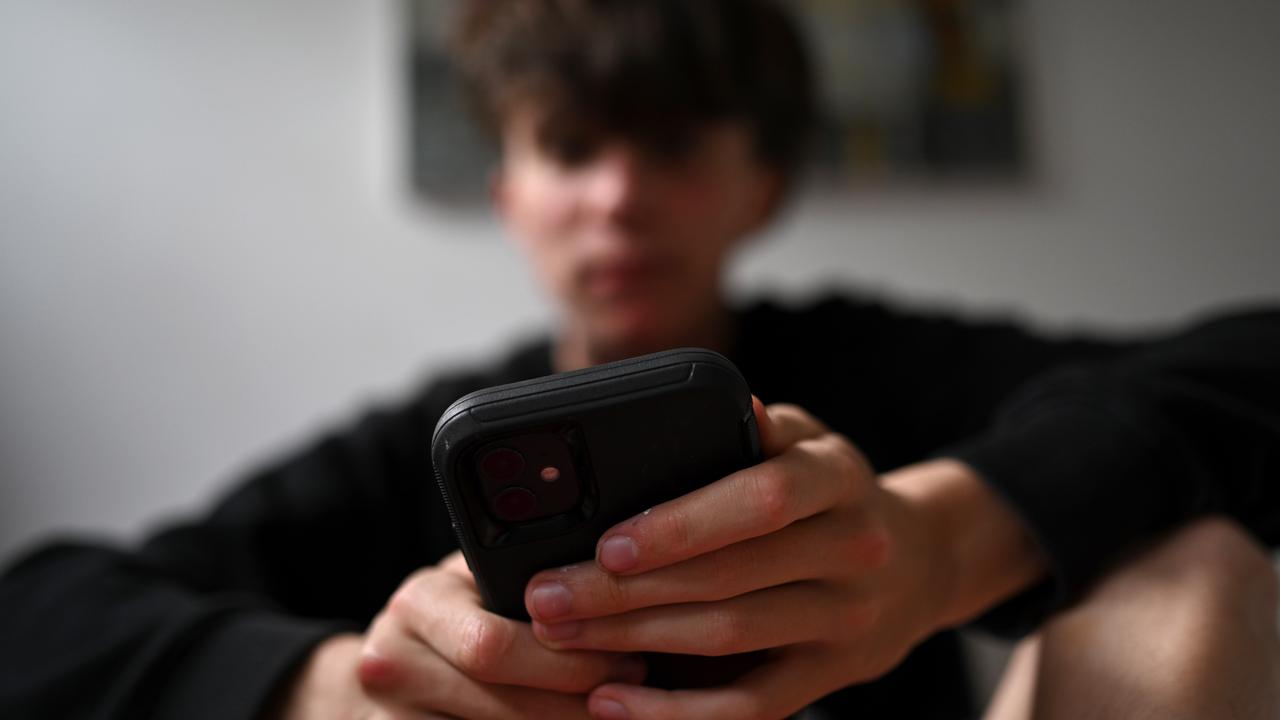
Concerningly, children seeking support have turned to the technology responsible for their abuse.
About 19 per cent of victims told an AI chatbot they had been abused.
That compared with about 13 per cent who told authorities, including a teacher, doctor, counsellor, police officer or helpline.
More than a third of victims told no human at all, disclosing only to AI or to no one.
The centre's chief executive Colm Gannon said Australia's social media age limit was restricting the conversations children feel comfortable having.
"You will not have a 15-year-old making a disclosure they have been subject to sexual extortion on Facebook, when they're not supposed to be on Facebook," Mr Gannon told AAP.
He said parents and schools need to be ready for these types of disclosures, and their first priority should be supporting a victim of abuse rather than scolding them for any illegal activity.
Boys are significantly more likely to be targeted by AI, despite girls facing higher overall rates of sexual image abuse.
"Young men are more open to sexual extortion for the simple reason they do engage in certain activities relating to their sexuality freely on camera," Mr Gannon said.
Government action is underway to ban AI "nudify" apps, alongside independent MP Kate Chaney's push to criminalise technologies which generate child sex abuse material.