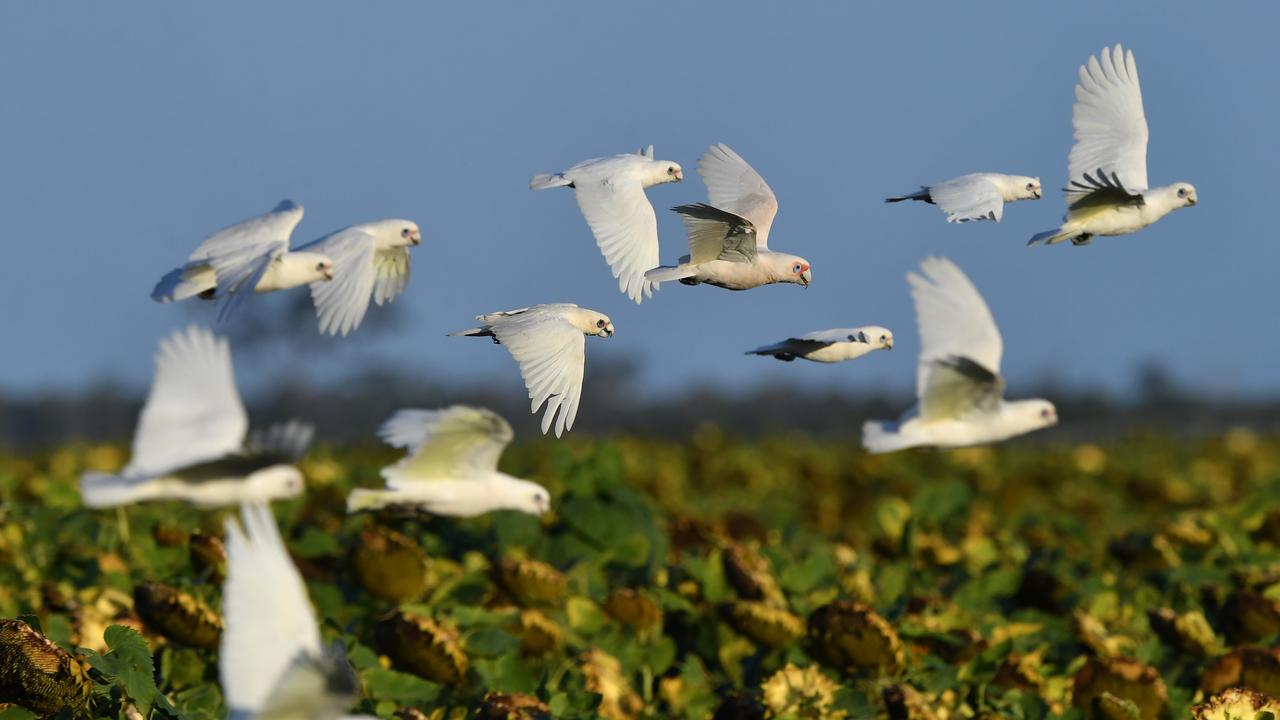
Authorities continue to test sick and dead birds that could be infected with a deadly bird flu as a reporting hotline rings hot.
More than 100 reports of potentially sick birds have been made to the national emergency hotline since the first H5N1 detection, including two dead seabirds found on South Australia's west coast.

Urgent testing was under way, with authorities implementing a swift and co-ordinated response, Western Australia Agricultural Minister Jackie Jarvis said on Tuesday afternoon.
"We remain at the surveillance phase of this response," she said.
"There have been no reports of large-scale mortality. There is no evidence the virus has spread, but we have asked the community to remain alert and follow advice about reporting sick or dead birds or marine mammals."
It comes amid reports two dead birds were found on a remote beach, about 360 km from the WA border.
A Department of Primary Industries and Regions spokesperson said there were no confirmed cases of H5 bird flu in SA and it had bolstered surveillance.
"The state government will examine any report of sick or dead birds and other wildlife," the spokesperson told AAP.
"Each report is investigated by wildlife experts, and samples are collected for further testing and analysis when appropriate."
The virus has made its way onto local shores for the first time, with major poultry producer Inghams announcing it would lockdown its WA sites to mitigate against potential risks.
More than 200 million chickens have been culled in the US since the virus arrived there.
Both pelagic birds discovered with the virus were found on a remote beach in Esperance, about 700km southeast of Perth.
Esperance Wildlife Hospital volunteer Lori-Ann Shibish said they had been on high alert for months, tracking the spread of the H5 strain after it reportedly killed thousands of animals on Heard Island.
She said the first warning sign came when a king penguin, found on the island, was discovered washed ashore.
"When that bird was brought into care, we enacted all of our protocols with quarantining and notifying the authorities," she told AAP on Tuesday.
"Luckily that bird tested negative.
"We realised this was the harbinger of what was to come."
Ms Shibish said unusual weather might have brought the two sick pelagic birds to the mainland, adding the species rarely made landfall.
While there have been no additional cases recorded, farmers continue to monitor the situation.
"Australian farmers are world leaders in biosecurity, not only to protect our animals and environment, but to ensure if a situation arises, the impact to our food supply chain is minimised," National Farmers Federation president Hamish McIntyre said.
Leading beef producers in WA said they were confident biosecurity authorities had protocols to monitor and implement steps to keep the population and industries safe.
The strain was different from previous ones experienced in Australia, such as the H7 flu, Australian National University expert Robyn Alders said.
"The impacts are considerable, both in terms of agriculture but there are concerns for the poultry industry," Dr Alders told AAP.
Authorities were aware H5N1 was causing significant infection and productivity losses to the United States dairy industry, as well as evidence of the virus in Canadian wild pigs, she said.
The strain can infect and cause serious illness or death in a range of species, including rodents and cats, making it more difficult to detect, monitor and control.
Pet owners should keep their animals on a leash in wildlife areas and cats kept indoors to minimise contact with potentially affected birds.
"If the virus does spread, pet owners, particularly cat owners, should be aware that this particular strain is quite virulent for cats," Dr Alders said.
The public has been urged to report and record sick and dead birds and marine mammals to the emergency animal disease hotline, but avoid contact with the animals.