
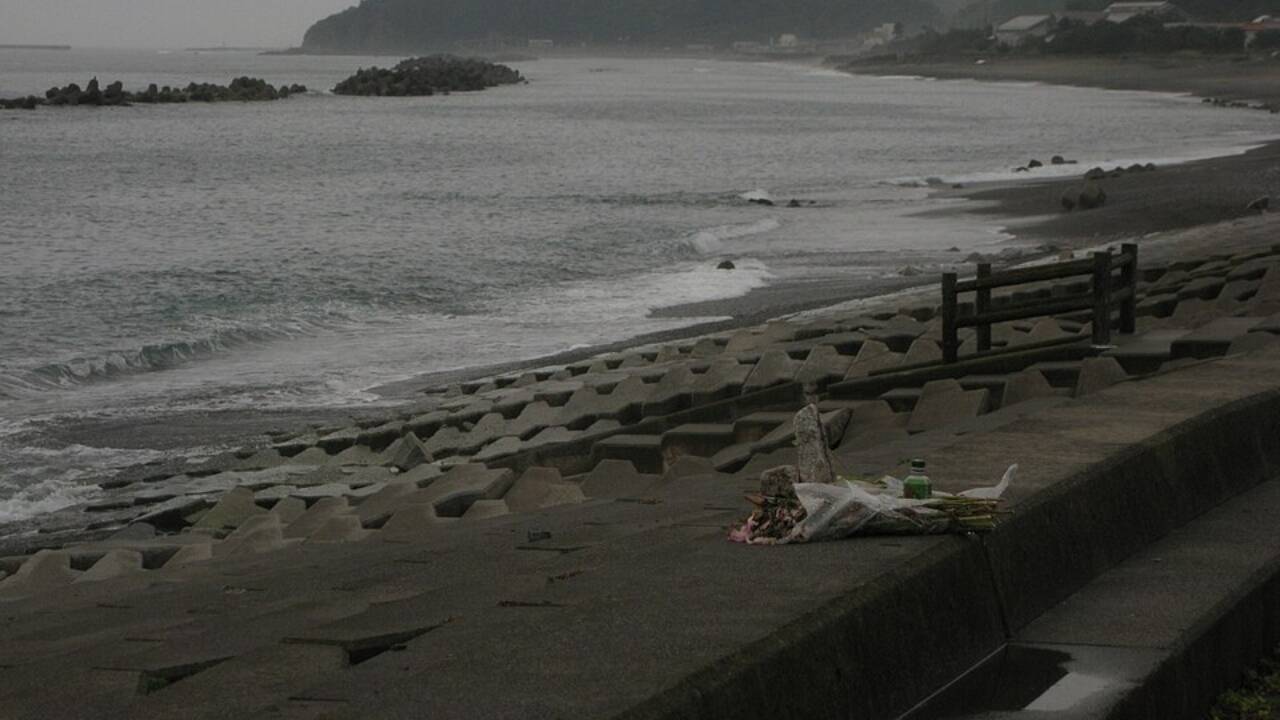
The devastating Great East Japan Earthquake and tsunami on March 11, 2011, claimed more than 15,000 lives and damaged entire coastal communities across northeastern Japan. Following that, the Japanese government launched one of the world’s biggest coastal defence programs, investing billions of dollars to rebuild and expand the seawalls across the affected prefectures, including Iwate, Miyagi, and Fukushima. Notably, many of these barriers were made significantly taller and wider than those that were replaced, with some even reaching nearly 45 feet high and extending more than 150 feet wide . These walls were built with the aim of reducing the impact of future tsunamis and protecting the vulnerable communities. However, scientists now believe that the reconstruction effort might have unintentionally intensified another long-standing problem that is disconnecting Japan’s coastline from natural processes that sustain beaches, wetlands, and coastal wildlife.
Get breaking news anytime, anywhere. Download the TOI app now!