
Get all your news in one place.
100’s of premium titles.
One app.
Start reading
Kids Ain't Cheap
Kids Ain't Cheap
Catherine Reed

After-School Routines That Help Your Kids Wind Down And Save You Stress

After-School Routines That Help Your Kids Wind Down And Save You Stress

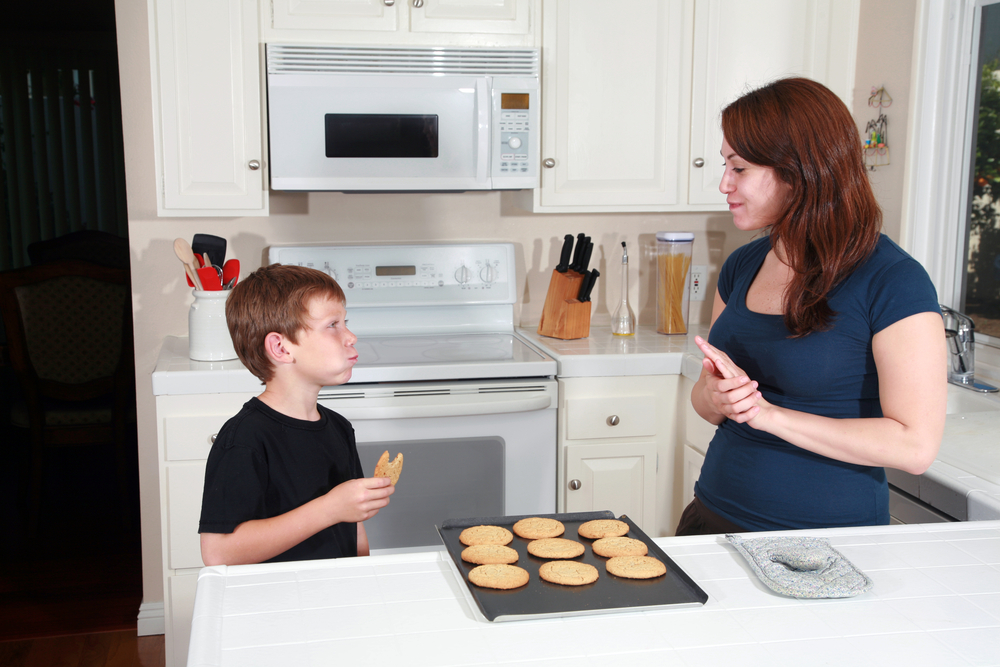
Image source: shutterstock.com

That after-school window can feel like the loudest part of the day. Kids walk in hungry, wired, and carrying big emotions, while parents are trying to shift from work mode to home mode without losing it. If your afternoons slide into snack battles, homework standoffs, and sibling chaos, it’s not because your family is failing. It usually means your day needs a smoother “landing strip” between school and evening. The right after-school routines can calm the mood, cut down on meltdowns, and make the whole house feel less tense.

1. Start With A “Decompression Minute” At The Door

Kids don’t switch gears instantly, so give them a small buffer before asking questions or issuing instructions. Try a simple sequence: shoes off, backpack down, and one minute of quiet before anything else happens. This creates a predictable transition that signals safety and calm. If your child tends to explode right after walking in, this pause can prevent that first spark. When after-school routines begin with a reset, everything that follows usually goes smoother.

2. Create A Snack System That Prevents Hangry Chaos

Most afternoon drama gets worse when kids are hungry, so plan for that reality. Instead of negotiating snacks daily, build a tiny “snack menu” with two or three approved choices. Portion items in advance or keep a bin in the fridge so kids can grab something without a full kitchen takeover. This saves your patience and reduces waste because you’re not opening five options at once. Families often find that simple after-school routines around food prevent the biggest arguments.

3. Use A Movement Break To Shake Off School Energy

Many kids sit still all day, so their bodies need a chance to move before they can focus or calm down. A 10-minute movement break can be a walk, trampoline time, dance music, or a quick game in the yard. The goal isn’t a workout, it’s a pressure release. When kids get this outlet, they’re less likely to bounce off the walls during homework or dinner prep. Movement also helps kids who struggle with transitions feel more settled.

4. Set A “No Heavy Questions Yet” Rule For Parents

It’s tempting to ask, “How was school?” the second kids enter, but that often lands badly. Save big questions for later, like during dinner or bedtime, when kids are more regulated. In the moment, offer a simple connection line like, “I’m happy you’re home,” or “I missed you.” This removes pressure and keeps kids from shutting down. One reason after-school routines help is that they protect kids from feeling interrogated when they’re still decompressing.

5. Build A Homework Plan That Doesn’t Hijack The Entire Night

Homework goes better when kids know exactly when it starts and when it ends. Pick a consistent time based on your child’s needs, like right after snack or after a movement break. Use a timer or a checklist so kids can see progress and feel less overwhelmed. If your child struggles, break tasks into smaller chunks with quick breaks instead of pushing until everyone melts down. Predictability here matters because it reduces daily bargaining and power struggles.

6. Give Kids One Small “Control Choice” Every Afternoon

Kids spend most of the school day following directions, so they crave control when they get home. Offer one small choice that doesn’t derail the schedule, like choosing the snack option, picking the music, or deciding which subject to start with. This tiny bit of autonomy can lower resistance across the whole afternoon. It also helps siblings because kids are less likely to fight for power when they feel heard. If after-school routines feel too rigid, one control choice can make the structure easier to accept.

7. Make Screens A Planned Tool Instead Of A Default

Screens can be helpful, but unplanned screen time often turns into arguments and rough transitions later. Decide in advance what the screen rule is on school days, and attach it to something predictable like “after homework” or “while dinner is cooking.” Keep the boundary clear and calm, and avoid changing it based on how tired you feel that day. If screens happen, use a warning system for ending them so kids aren’t blindsided. This approach keeps screens from becoming the center of the afternoon.

8. Set Up An “Evening Prep” Habit That Saves Future You

A small amount of prep in the afternoon can make the entire evening smoother. Kids can hang coats, place papers in one spot, refill water bottles, and set out supplies for tomorrow. Keep it simple and quick, like a five-minute family reset before dinner. This reduces the morning scramble, which lowers stress for everyone. Many after-school routines work best when they protect tomorrow as much as they manage today.

9. After-School Routines That Add A Calm Connection Ritual Before Dinner

Late afternoon is a great time for a quick connection moment that grounds everyone. It can be reading together for 10 minutes, a simple card game, or a shared “high and low” check-in. Keep it short so it fits real life, even on busy days. When kids feel seen, they often behave better because they’re not trying to get attention through disruption. The goal is connection without adding another exhausting “thing” to your list.

The Peaceful Afternoon Formula That Actually Sticks

The best routines aren’t the strictest ones; they’re the ones your family can repeat without constant effort. Choose two or three anchors, like the decompression minute, a predictable snack, and a movement break, and make those your baseline. Add the other pieces as needed depending on your schedule and your child’s temperament. When afternoons feel rough, adjust the system instead of blaming yourself or your kids. When after-school routines stay consistent, home can feel calmer and everyone ends the day with more patience in the tank.

What’s the hardest part of your after-school window right now—snacks, homework, sibling noise, or transitions?

What to Read Next…

Ways to Make After-School Snacks That Are Cheap, Nutritious and Kid-Approved

7 Reasons Kids Are Getting Hurt in After-School Programs

8 After-School Activities That Drain Family Budgets the Fastest

10 Warning Signs Of Childhood Burnout (Yes, It’s a Thing Now)

The Winter Sports Swap-Up Plan That Saves on Gear Without Losing the Fun

The post After-School Routines That Help Your Kids Wind Down And Save You Stress appeared first on Kids Ain't Cheap.

Sign up to read this article
Read news from 100’s of titles, curated specifically for you.
Already a member? Sign in here
Related Stories
Top stories on inkl right now
One subscription that gives you access to news from hundreds of sites
Already a member? Sign in here
Our Picks
Fourteen days free
Download the app
One app. One membership.
100+ trusted global sources.