
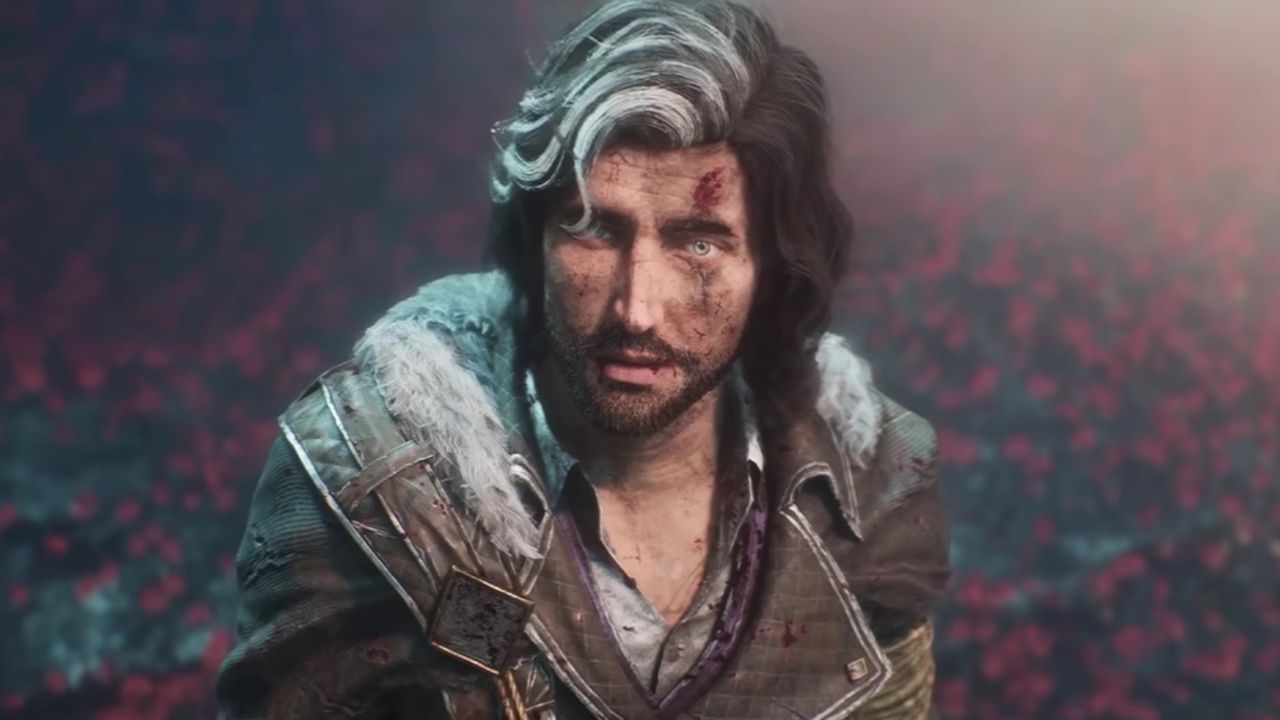
Among the many categories Clair Obscur: Expedition 33 took at last year's The Game Awards, Best Indie Game is perhaps the most controversial. The sheer scale of the mammoth RPG, as well as the fact it had publisher backing, creates some ambiguity around the classification. On reflection, a higher-up on the publishing side believes it's more important to look at the output than get into the weeds of categorization.
"It's always a little difficult to create categories around video games because we all operate in shades of what an experience is," Alexis Garavaryan, CEO of Clair Obscur publisher Kepler Interactive, tells the BBC.

"We've seen games that are coming from very small studios but with really high production values," he continues, noting Expedition 33 as "one of those titles" that boasts high production values despite coming from a smaller team.
"It does start blurring the line between what's independent [and] what's not independent, and I don't know if the labels matter as much as the things we're able to create," he states.
He goes on to observe that we're in a place where devs with the right levels of innovation and creativity can make games "seen as interesting, as good, as profound" as something from a massive company. Clair Obscur itself is a perfect example, but you need only look at how feature-complete and deep indie releases such as Silksong and Blue Prince are to see his point.
"If you look at the most popular games on Steam this year, a number of them were made by really, really small teams," Garavaryan says, pointing towards the current trend of 'friendslop' games: "Peak being one of them that was really great, [and] RV There Yet."
Funnily enough, the top-rated game on Steam in January was a PS1-tribute made by a single developer. While we're worrying about whether something is indie, double-A or something else, amazing developers are creating awesome games, and that's the thing to be most excited about.