
Get all your news in one place.
100's of premium titles.
One app.
Start reading
Digital Camera World
Kim Bunermann

After becoming the youngest overall winner in the competition's history, 20-year-old photographer wins top nature award for this "barely visible" wildlife encounter

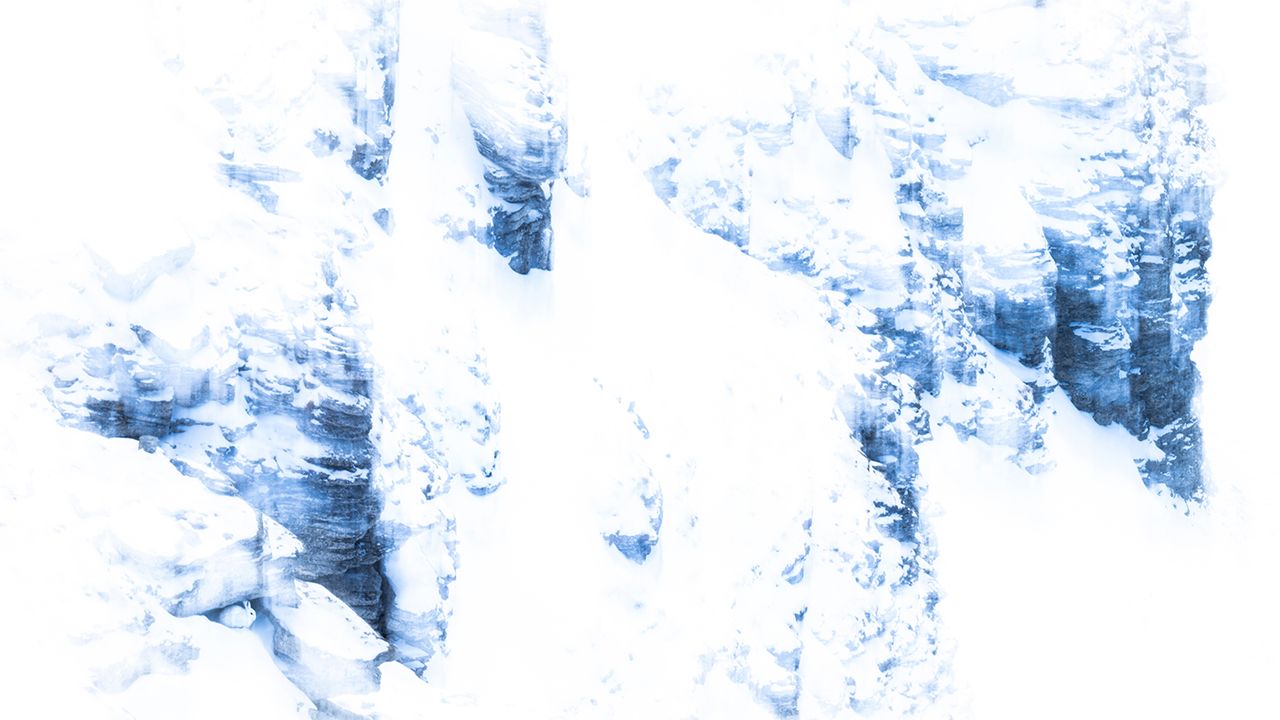
Mountain hare under bright daylight with high contrast and blue shadows.

In 2025, 20-year-old German photographer Luca Lorenz became the youngest winner of the prestigious GDT European Wildlife Photographer of the Year 2025 title. Now he has gone on to win the GDT Nature Photographer of the Year 2026, further cementing his reputation as an emerging talent in wildlife photography.

Luca's winning image, White on white, captures a mountain hare in the Swiss Alps using long exposure and intentional camera movement (ICM). Through these techniques, he created a painterly effect that reflects the animal's near invisibility in its snowy environment – and the image conveys a serious message.

The Aline mountain hare is increasingly threatened by climate change. While its fur naturally shifts from brown in summer to white in winter for camouflage, warming conditions mean snowfall often arrives too late, leaving the animals in white coats against snowless ground. This mismatch makes them far more visible to predators, a phenomenon scientists refer to as "color mismatch."

GDT Nature Photographer of the Year 2026

The Nikon Z 180-600mm f/5.6-6.3 VR is the first 'affordable' ultra-telephoto zoom for Z-system mirrorless cameras (Image credit: Matthew Richards)

Shot details
Gear: Nikon Z8 + Z 180-600mm f/5.6-6.3 VR Exposure: 0.4sec, f/32, ISO 32
Techniques: Long-exposure and ICM

The story behind the encounter
Luca discovered the hare while trekking through deep snow with two friends in the Swiss Alps. The animal was positioned around 30 metres below them, near the entrance to a small rock cave.

He explains, "For a long time, I observed the hare as it sat practically motionless, perfectly camouflaged with its white winter coat, gazing out across the distant Alpine peaks."

His work reflects an important approach in contemporary wildlife photography – using artistic techniques to communicate environmental urgency.

"Alpine hares are deeply important to me," Luca added. "In light of the significant challenges facing the species, raising awareness and supporting research into these extraordinary animals is more important than ever."

Using a longer exposure and camera movements, Luca captured how the snow hare blends into its surroundings. "This allowed me to preserve its almost invisible presence despite the close-up, thanks to the telephoto lens, whilst the delicate, almost sketched streaks in the image emphasise the movement of the snowdrifts across the barren landscape," he says.

For more information, visit the GDT website.

You might like...

Browse the best cameras for wildlife photography, the best trail cameras, and the best telephoto lenses.

Looking for competitions to enter? Here are 10 global photo contests now open for entries from April to December.

Sign up to read this article
Read news from 100's of titles, curated specifically for you.
Already a member? Sign in here
Related Stories
Top stories on inkl right now
One subscription that gives you access to news from hundreds of sites
Already a member? Sign in here
Our Picks
Fourteen days free
Download the app
One app. One membership.
100+ trusted global sources.