Quick Summary
The BBC is decommissioning its long wave transmitter that first hit the airwaves in 1934.
BBC Radio 4, resident on the long wave service, ceased transmission on 27 June 2026.
The BBC has officially switched off its long wave radio service in the UK. The Wychbold masts started broadcasting in 1934, with the location near Droitwich designed to cover all of the UK, but as of 27 June 2026, the BBC Radio 4 broadcasts on the platform have been switched off.
On 30 June 2026, the long wave platform will be closed, marking an end to an interesting 92 years of history for radio transmissions in the UK.
With listeners adopting FM and DAB, and the BBC outlining a digital strategy in 2022, the switch-off was expected. For many, this will be an irrelevance, for others, it will be greeted with sadness as the groundbreaking service comes to an end.
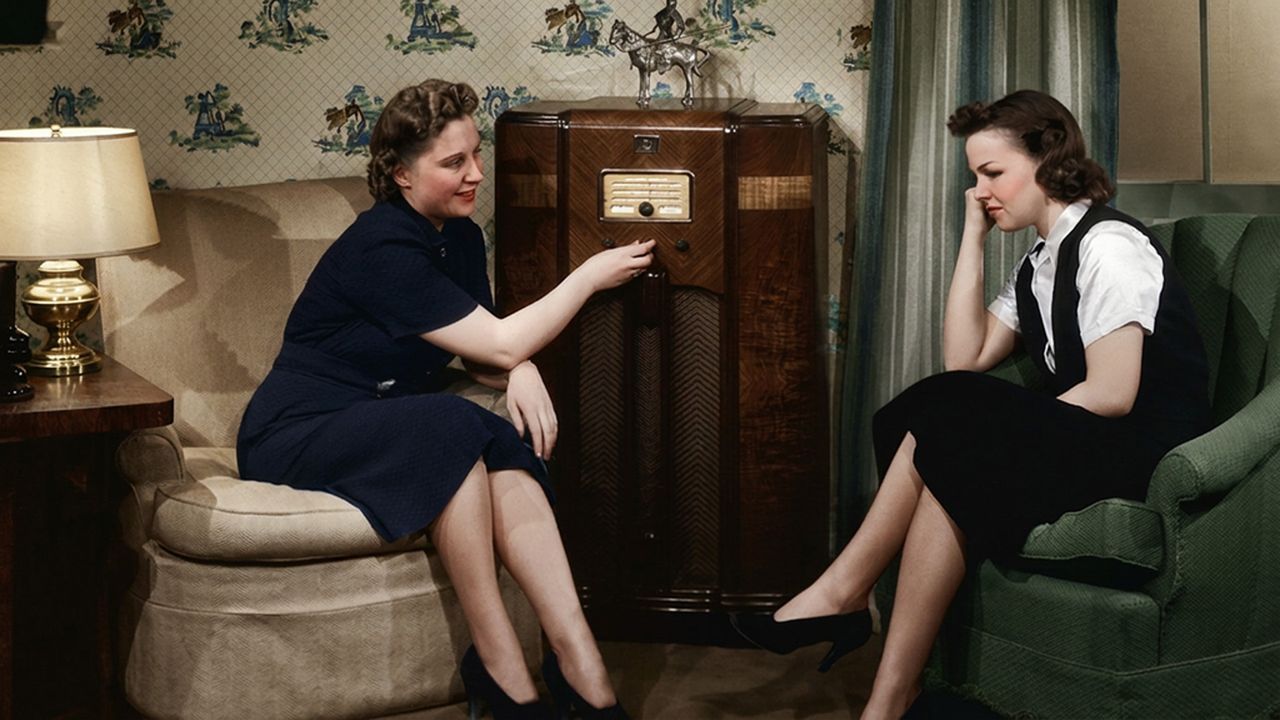
When the BBC started broadcasting from Wychbold in 1934, it was a unifying service, covering the whole of the UK and avoiding the need for numerous local transmission masts. That saw the birth of true national radio for news and entertainment, where previously the BBC operated a highly regionalised service.
That enabled moments like the transmission of Neville Chamberlain's declaration of war in 1939, through to the Shipping Forecast and Test Match Special, with ball-by-ball commentary of the cricket.
More recently, BBC Radio 4 has been resident on long wave, providing a mix of entertainment and news – as well as outstanding 6:30pm comedy – across the UK and beyond.
The Beeb says that 99.5% of UK households can receive FM broadcasts, but I can't imagine what it must be like if you're in that 0.5% for whom your radio signal just went silent. Well, if you're one of those people and you're reading this, it's time to move to BBC Sounds.
Long wave radio played an important role in other areas, used during the Second World War to broadcast across Europe and communicate with the French resistance. It's also said that nuclear submarines used it as a proof of survival for the UK, according to the Radio Society of Great Britain.
While digital services offer higher quality (it's stereo for starters), the updating of broadcasting services has been met with resistance every step of the way. DAB faced a hard time on introduction, because unlike FM where weak signal would give a hiss, DAB suffers from dropouts and horrible noises when the signal gets weaker.
Many people have since evolved beyond DAB to internet radio, but there are still areas where neither are available. There are still some MW services – BBC Radio 5 Live – but medium wave transmitters have also been slowly turned off.
It's the end of an era, but arguably, continually updating a service that's now not widely used by listeners wouldn't be seen as a good use of licence payers' money.