Joseph Stalin took his last breath 70 years ago. He died of a cerebral haemorrhage on March 5 1953, aged 74, at his dacha – or country house – west of the Kremlin in a leafy pocket of Moscow’s urban sprawl.
Now, more than 30 years after the end of the cold war Stalin played such a large part in starting, Moscow is back in the grip of an authoritarian leader in the form of Vladimir Putin. The Russian president may head a “democratic government” in name but, in reality, it is much closer to a dictatorship.
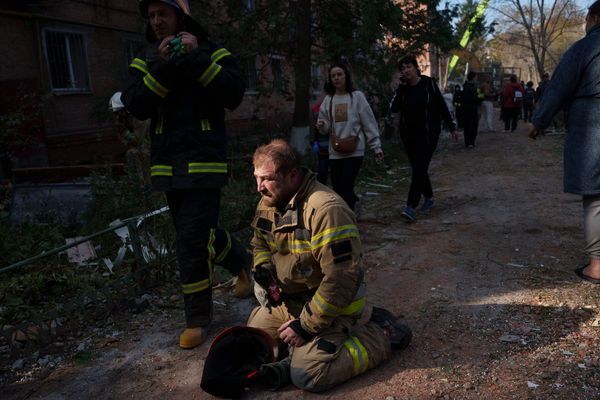
Questions of historical continuity inevitably arise over the extent to which the Stalin era continues to inspire Russia’s rulers and its people, and whether Stalin bears any responsibility for Russia’s brutal war in Ukraine.