Six in 10 people will be living in cities by 2030. This is concerning. Cities are responsible for over 70% of global greenhouse gas emissions. Yet cities can also do a lot to mitigate climate change and help people adapt to its impacts. Cities can use renewable energy sources, promote greener transport, and get industries to cut pollution and adopt cleaner production techniques. Also, they can form or use existing networks and partnerships to strengthen these efforts.
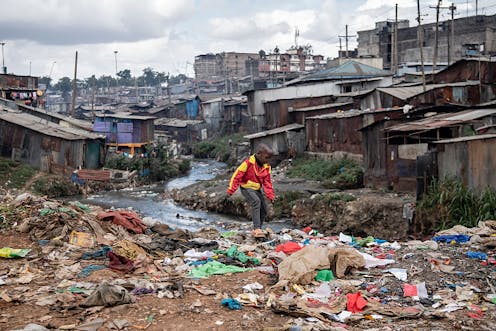
Almost 1 billion children – nearly half of the world’s children – live in countries that are at extremely high risk of climate change impacts. Climate change has direct and indirect impacts on children’s rights to health, life, dignity and education. Also, climate change increases the risk of exposure to violence against children. Climate-induced disasters displaces people, and limits access to schools, adequate water and nutrition. UNICEF has drawn attention to the fact that “the climate crisis is a child rights crisis”.