Four-fifths of UN Security Council resolutions over the last decade have been around conflicts in Africa, a new analysis has found, with conflicts surging due to factors including weak governance, soaring inequality, and escalating climate impacts.
The research, which was carried out by Oxfam and shared exclusively with The Independent, is evidence for why there should be a permanent African seat on the Security Council, campaigners say. The research centred around the 23 most protracted crises around the globe, from Gaza to Ukraine. Of 437 resolutions passed in the last ten years concerning those 23 crises, 354 were around events in Africa – representing 81 per cent of resolutions.
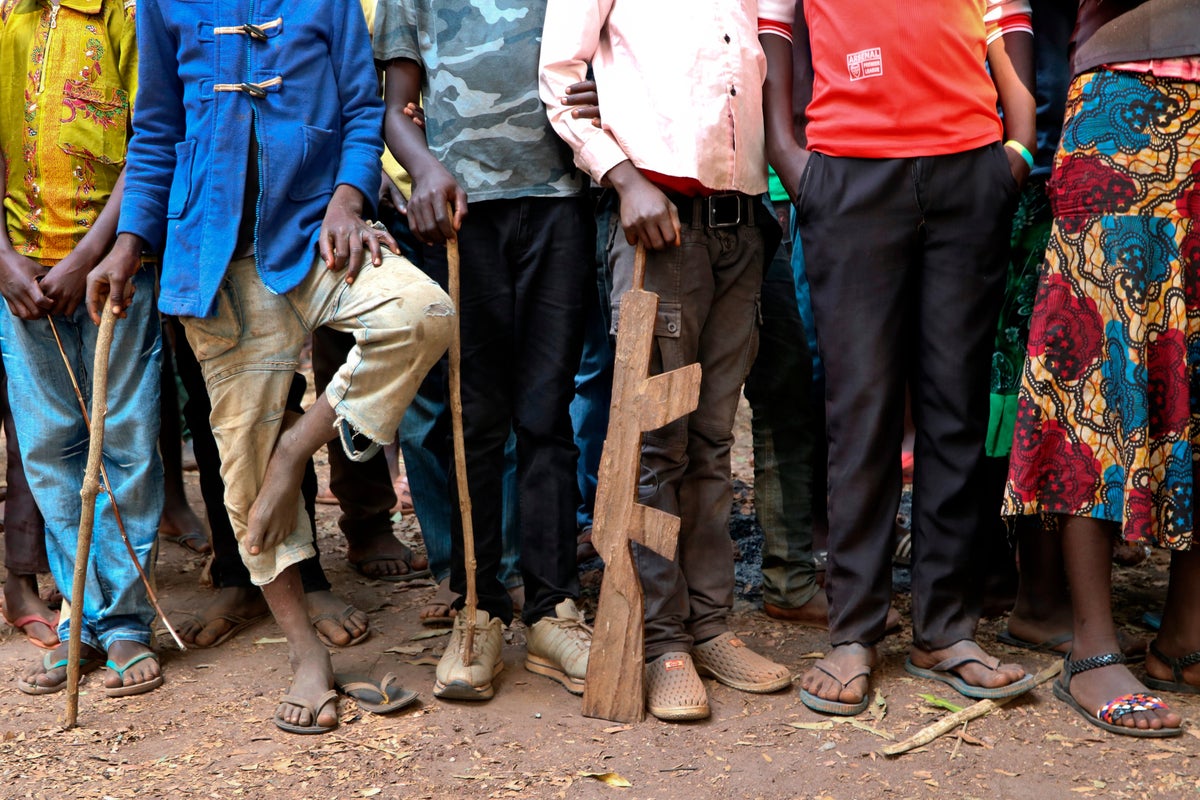
Since 2016, conflicts in Africa have claimed millions of lives, forced nearly 46 million people from their homes – more than four times a decade ago - and pushed 120 million people across 26 African countries into hunger.
Five countries at the epicentre of prolonged conflict – the Democratic Republic of Congo, Ethiopia, Nigeria, Sudan and South Sudan - account for nearly two-thirds of the continent’s acute food insecurity.
The continent also accounts for roughly 40 per cent of the world’s active clashes, and is home to nearly half of the world’s armed groups of humanitarian concern, who exert control over an estimated 102 million people.
Yet when it comes to the global response, it is only the US, China, Russia, the UK, France - the victors of World War Two - that have a permanent seat in the UN body tasked with addressing global conflict.
Of the 10 non-permanent seats that are held by countries on the council for two years, three are allocated to Africa - but as non-permanent members, they lack a veto power.

“Many of the world’s most deadly and protracted conflicts are taking place in Africa, yet the continent continues to be denied a permanent seat at the table, underscoring a long-standing imbalance in global decision-making on peace and security,” said Fati N'zi-Hassane, Oxfam in Africa Director. “Without the right voices being heard, resolutions are being passed that are not implementable and are out of touch with what people need or want.”
Last year, of the 20 Security Council resolutions adopted on conflicts in Africa, 18 authorised sanctions, peacekeeping or military action.
“For far too long, Africa has faced unjust, disproportionate challenges stemming from the current geopolitical landscape and key decisions affecting peace and security must be made with proper African representation. The UN Security Council must evolve to have the right people at the table,” N'zi-Hassane continued.
Other voices including UN Secretary General Antonio Guterres and the United States have previously called for a permanent seat for Africa, with South Africa, Egypt and Nigeria all raised as possible holders of the seat.
N'zi-Hassane’s comments come just weeks after former UK Foreign Secretary David Miliband - who is now CEO of NGO the International Rescue Committee - warned that contribution of climate change to global conflict is being “underestimated”.
“Some of the biggest conflicts that exist at the moment, notably in Ukraine and Gaza, aren't climate conflicts, so it's important that we are disciplined in how we speak about this,” he told The Independent. “But climate change is a major contributing factor to resource stress, which is known as one of the major factors driving conflict globally.”
It is not by accident, Miliband said, that the majority of the 20 countries that IRC have said are most at risk of escalating humanitarian crises this year are on the Equator, which is one of the most climate-stressed parts of the world.
He suggested that rich countries like the UK should be providing more aid so that fragile countries can become more climate resilient.
This article has been produced as part of The Independent’s Rethinking Global Aid project
Tropical Cyclone Gezani hits Madagascar and kills at least 20
Trump set to dismantle US climate rules in ‘betrayal’ of global goals
Nine killed as devastating tropical cyclone hits island nation
The ‘once-in-a-decade’ chance to transform the UK’s footprint on the world
Ferry capsizes on Nile River leaving at least 15 people dead