Get all your news in one place.
100's of premium titles.
One app.
Start reading
AAP
AAP
National
William Ton

Aboriginal life expectancy a factor in murder sentence

Thomas Clarke, who mutilated his murder victim's body, will be eligible for parole after 15 years. (Jay Kogler/AAP PHOTOS)

A judge has taken into account the age, health conditions and Aboriginal life expectancy as she jailed a man who admitted the gruesome murder of a 72-year-old inside his home.

John Hunter was found dead by a friend in his Dimboola home in western Victoria on January 23, 2023, after three days of no contact.

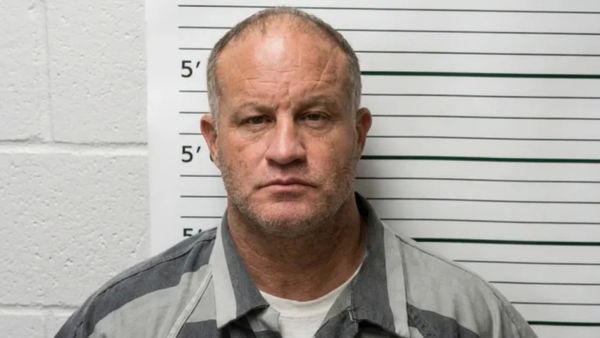
Thomas Clarke, 57, who pleaded guilty to Mr Hunter's murder, was sentenced in the Supreme Court on Monday to 21 years in prison with a non-parole period of 15 years.

Dimboola sign (file)
Thomas Clarke went to John Hunter's Dimboola home demanding money before murdering him. (Diego Fedele/AAP PHOTOS)

Clarke had been drinking on January 20, when he ended up at Mr Hunter's house demanding money.

Mr Hunter had been living there for less than six months and required an oxygen pump to help breathe while undergoing lung disease treatment. 

Clarke entered the home and used a hammer to deliver blows to Mr Hunter's head, killing him in the kitchen and dining room before his body was dragged into a spare bedroom.

A box cutter was used to carve into Mr Hunter's body, his eyes were gouged out, and his penis and scrotum were amputated, prosecutors said.

His body was found covered in a bunched-up curtain with the box cutter entwined inside and a T-shirt pulled over his head.

A jury trial in December acquitted Jodie Hill, who was charged alongside Clarke with Mr Hunter's murder. 

She denied taking part in the attack.

Clarke, who has been diagnosed with a severe personality disorder, complex post-traumatic stress disorder and was in psychotic-like state, may have falsely believed Mr Hunter was a pedophile, Justice Jane Dixon said in her sentencing remarks.

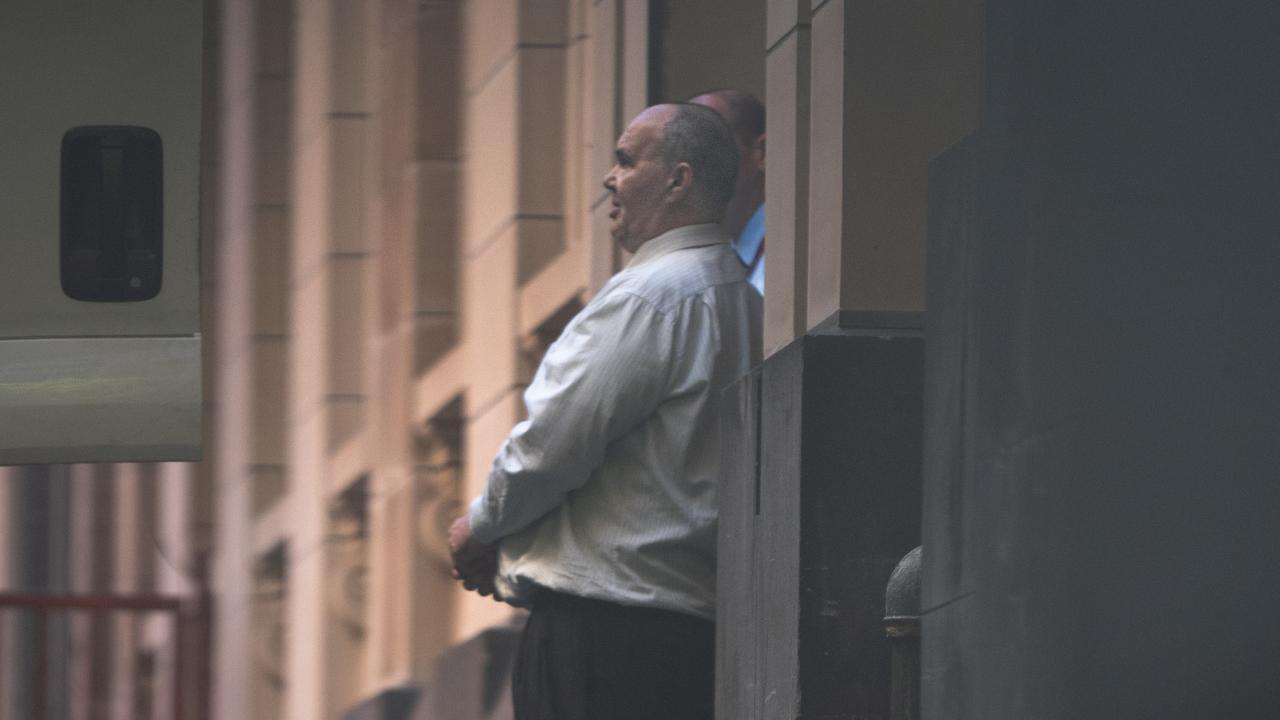
Jodie Hill
Jodie Hill denied taking part in the attack and was acquitted by a jury. (James Ross/AAP PHOTOS)

She detailed his life of disadvantage, systemic discrimination and intergenerational trauma, and accepted the Wotjobaluk and Gunditjmara man's offending was unplanned.

"It seems likely the major factors of offending included your personality disorder, intoxication and wrongful ideas about the victim, and dynamic with Jodie Hill," she said.

While she accepted his moral culpability is much reduced due to his mental condition at the time, general deterrence still had a role to play given the brutality of his actions.

"I take into account the risk you could spend the rest of life in prison (due to your) age, health and the life expectancy of Aboriginal men," she said.

Defence barrister Sharon Lacey SC previously contended Clarke's offending was not an escalation, but a slowly unfolding mental health crisis.

Forensic psychiatrist Rajan Darjee told the court in an earlier hearing that with stability and not taking substances, Clarke could manage his life well.

But prosecutor Briana Goding had cautioned Justice Dixon about his rehabilitation prospects which she said depended on him abstaining from alcohol and illicit drugs upon release.

Clarke has served almost three years in pre-sentence detention and could be released on parole in 2038.

13YARN 13 92 76

Lifeline 13 11 14

beyondblue 1300 22 4636

Sign up to read this article
Read news from 100's of titles, curated specifically for you.
Already a member? Sign in here
Related Stories
Top stories on inkl right now
One subscription that gives you access to news from hundreds of sites
Already a member? Sign in here
Our Picks
Fourteen days free
Download the app
One app. One membership.
100+ trusted global sources.