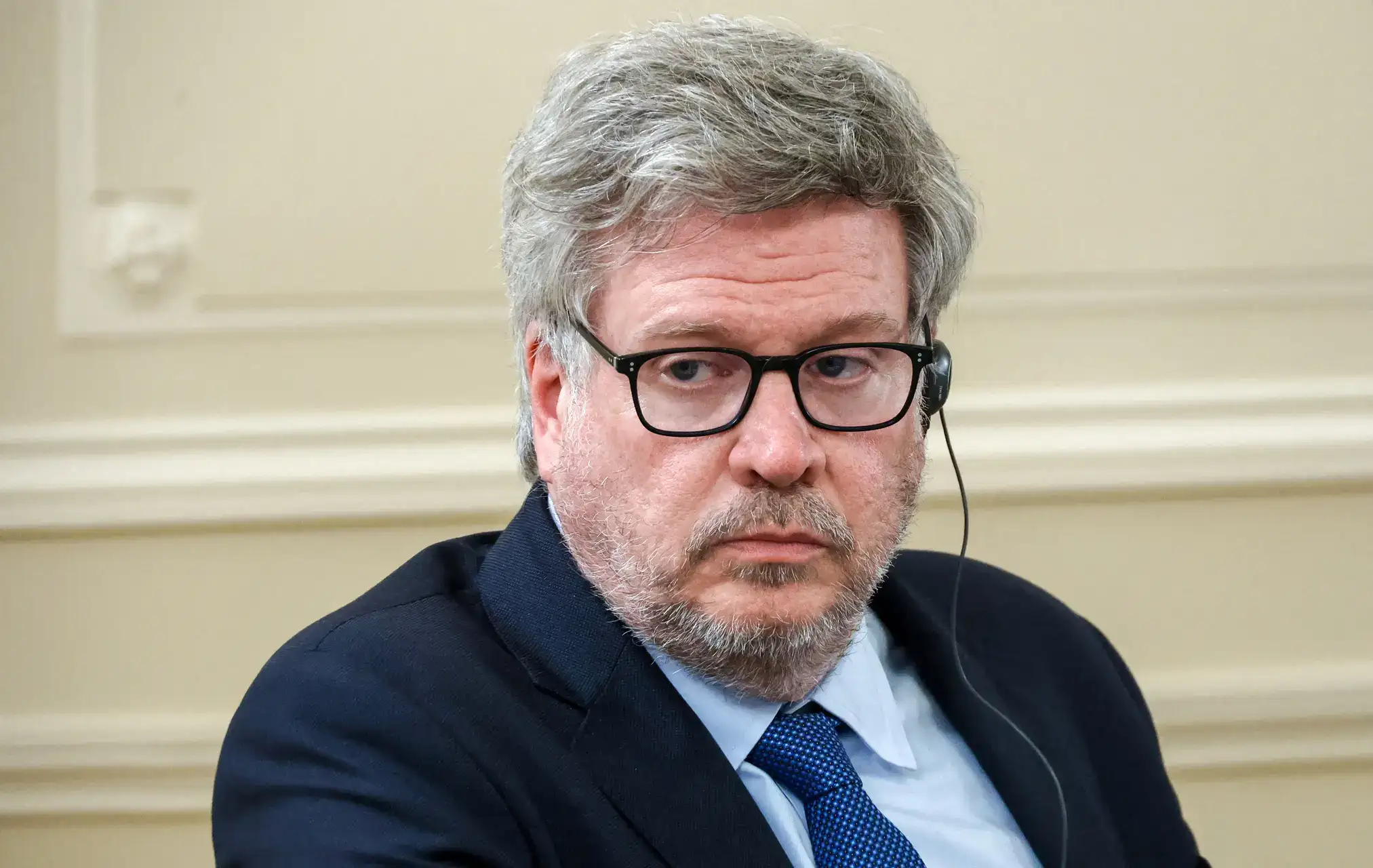
Australia’s national broadcaster has appointed Reuters executive Simon Robinson as its new Director of News and Current Affairs, ending days of speculation following the recent resignation of longtime ABC news boss Justin Stevens.
The announcement came on the same day ABC executives faced intense questioning during a Senate Estimates hearing over allegations of editorial bias, internal culture issues and the broadcaster’s handling of several recent controversies.
ABC managing director Hugh Marks confirmed Robinson, currently Reuters’ Executive Editor based in London, will officially begin the role in September. Robinson oversees a global newsroom of around 2,600 journalists operating across more than 150 countries, reported News.com.au.
Marks described Robinson as one of the most experienced newsroom leaders in international journalism. He said Robinson’s experience managing large-scale news operations and his focus on fact-based reporting made him well suited to lead the ABC’s news division during a period of significant change in the media industry.
Robinson began his journalism career in Australia before moving into international reporting and editorial leadership roles with Reuters. His appointment is seen as a notable move for the ABC, which has traditionally promoted senior newsroom leaders internally.
The leadership change follows the resignation of Justin Stevens, who stepped down after 19 years with the broadcaster, including four years as director of news. Stevens said in his resignation statement that it was the “right time” for him to move on.
However, his departure quickly became the focus of political scrutiny. During Thursday’s Senate hearing, Liberal senator Sarah Henderson suggested Stevens may have been pressured to resign following a series of controversial editorial decisions during his tenure.
Hugh Marks rejected claims that Stevens had been placed “on the chopping block” but declined to discuss specific internal staffing matters publicly. He instead said the broadcaster now had an opportunity to move forward with “refreshed and rejuvenated output.”
The Senate hearing also reignited debate around the ABC’s approach to editorial impartiality and its handling of antisemitism-related reporting standards.
ABC editorial director Gavin Fang defended the broadcaster’s decision not to formally adopt the International Holocaust Remembrance Alliance (IHRA) definition of antisemitism. According to News.com.au, Fang told the hearing the ABC preferred to maintain its own editorial framework because the IHRA definition remained contentious among parts of the community.
Senator Henderson strongly criticised that position, accusing the broadcaster of appeasing anti-Israel activists. Fang rejected the accusation and defended the ABC’s current editorial guidelines, saying they clearly distinguished between legitimate criticism of Israel and antisemitism directed toward Jewish people.
ABC executives also pushed back against broader allegations of systemic political bias within the organisation. Marks acknowledged the broadcaster sometimes made mistakes but said the ABC acted to correct errors when necessary.
Another major issue raised during the hearing involved Four Corners reporter Mahmood Fazal, who was dismissed following an internal investigation linked to his appearance on an external podcast involving a former underworld figure.
Marks confirmed Fazal’s employment had been terminated but declined to discuss details of the investigation publicly. Fazal, a former member of the Mongols bikie gang turned journalist, had previously denied allegations reported in Australian media linking him to messages involving the Alameddine crime family and YouTuber FriendlyJordies.
The heated Senate session highlighted the growing pressure facing the ABC as it navigates political criticism, newsroom restructuring and broader debates over public trust in media institutions.