
Get all your news in one place.
100's of premium titles.
One app.
Start reading
GamesRadar
GamesRadar
Technology
Ashley Bardhan

AAA developers are getting forced into "dangerous" siloes, says Guilty Gear creator: "Even if you quit your job, your chances of finding another one will be slim"

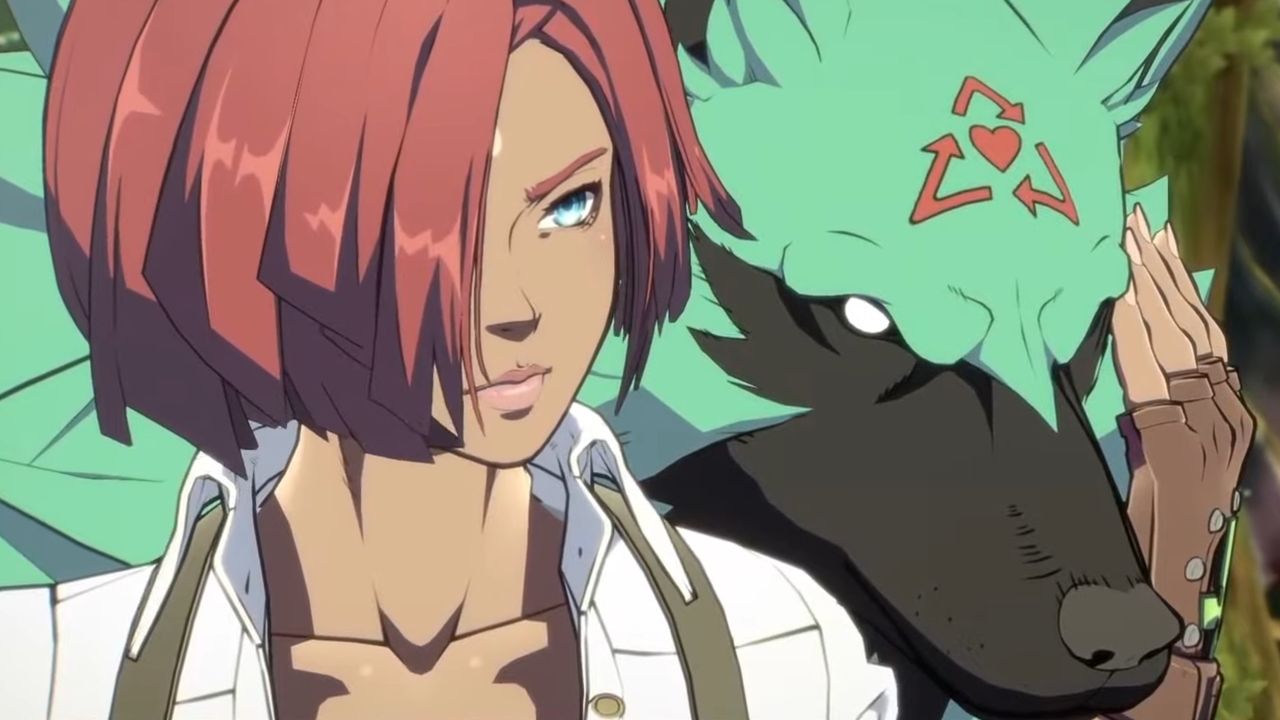
Guilty Gear Strive Giovanna.

These days, AAA publishers seem to be eager to burn it all down, closing studios almost as fast as they're opening them, ripping game servers offline just barely after they've come into existence, and none of the talented developers involved in these condemned projects seem to escape the purgatory of being laid off. Guilty Gear creator Daisuke Ishiwatari thinks he knows why.

While speaking to Japanese site 4Gamer about Guilty Gear studio Arc System Works' new action game Damon and Baby (translation via Automaton), Ishiwatari explains "overspecialization" is the latest problem in big-budget gaming. He worries that development staff are being assigned "highly specialized" tasks that make them forget their skills in other important areas – including the desire to be creative.

"It's very dangerous to spend decades doing highly specialized work, only to realize later that you're no longer capable of doing anything else," Ishiwatari says. "You'll find yourself at a loss when the project you're working on hits a rough patch, and even if you quit your job, your chances of finding another one will be slim."

So, in line with what other industry leaders have recommended following "AA-class game" Clair Obscur: Expedition 33's unprecedented success, Ishiwatari recommends publishers scale down. Don't make so many expensive big swings. Try smaller, more manageable projects led by people with "accumulated know-how and a proper development environment" – and trust your developers.

The Guilty Gear creator served as art director on Damon and Baby, and he gives an example of this approach on his production team: he intentionally made it so his staff "only prepared a single rough sketch and left the rest to the modelers," who he then "entrusted with entire characters."

"Compared to dividing tasks, it made giving instructions easier, and since they understood the character well, it was easier for them to come up with ideas and make revisions quickly," Ishiwatari says. So his rules for the video game industry are the same as they were on the playground – sharing is caring, and play nice.

After deleting the console's fourth-biggest publisher, Sony has unleashed another wave of delisting across the PlayStation Store's shovelware collection.

Sign up to read this article
Read news from 100's of titles, curated specifically for you.
Already a member? Sign in here
Related Stories
Top stories on inkl right now
Our Picks
Fourteen days free
Download the app
One app. One membership.
100+ trusted global sources.