Get all your news in one place.
100's of premium titles.
One app.
Start reading
We Got This Covered
We Got This Covered
Jaymie Vaz

A young boy is dead, and newly surfaced mental health evidence has left those who were supposed to protect him scrambling for answers

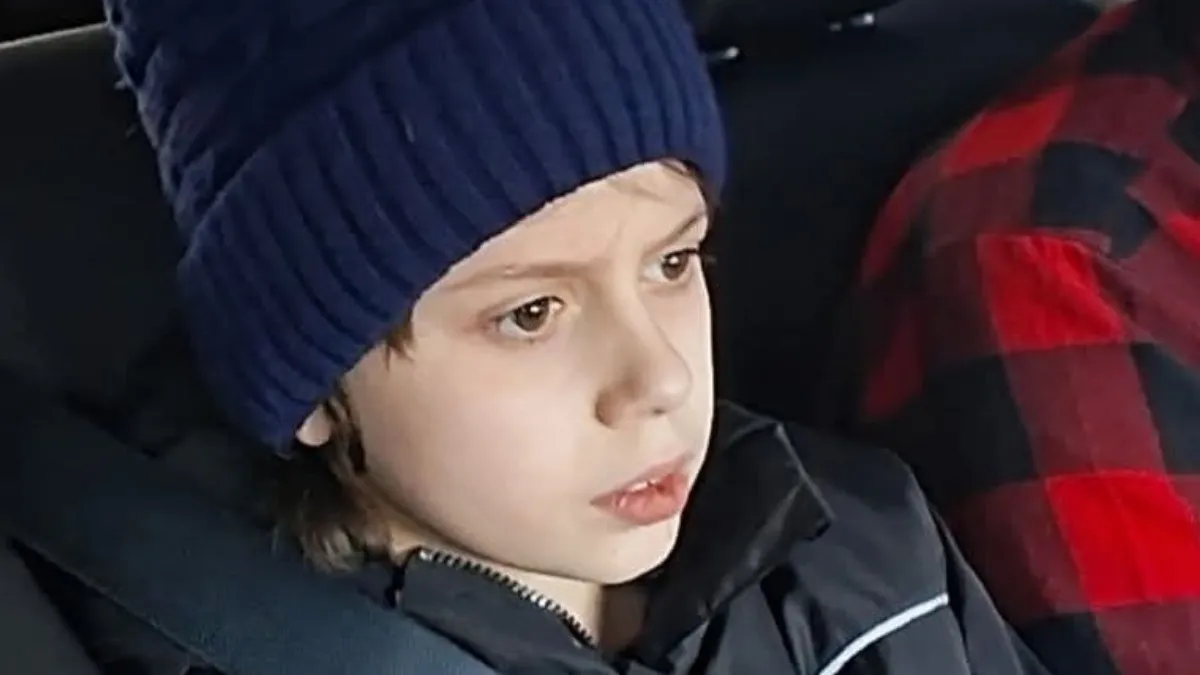
The family of a New Hampshire boy who died by suicide is now alleging that repeated concerns about his mental health and persistent bullying were not taken seriously by those outside their home. Josiah Michael Dwinell tragically passed away on Thursday, March 12, just eight days after his 13th birthday.

Per UNILAD, Josiah’s family said he had been dealing with persistent bullying at school and on the bus in the period leading up to his death. His aunt, Shaena Stebbins, shared some pretty heartbreaking claims about the struggles the young teen was facing. She’s also set up a GoFundMe page to help the family with funeral and medical expenses.
Shaena explained that Josiah’s biological mother had died more than five years ago. Since then, he had been adopted by his “Mimi,” who, according to Shaena, had been tirelessly advocating for him as he grappled with the bullying. “He was being bullied at school and on the bus not one person outside his home tried to help him,” Shaena claimed. 

Schools really should include more programs to help with Mental Health and Bullying, anything that can help a child who needs it

The family’s concerns went beyond just the school environment. Shaena also stated that Josiah had gone to the hospital on numerous occasions. His Mimi was right there by his side, holding him and trying to get him the help he desperately needed. However, according to Shaena, “Everyone outside his home said he was seeking attention.”  Shaena added that her nephew ultimately “decided after a bus ride home that he couldn’t handle the bullying anymore.”

Shaena described Josiah as “an amazing brother, son, nephew, and all-around young man who meant so much to everyone who knew him. Josiah brought light and joy to our lives, and his absence leaves a hole in our hearts that can never be filled. We are heartbroken and still trying to process this tragedy, but we want to honor his memory and give him the farewell he deserves.”

Following this tragedy, Susan Stearns, who is the executive director of the National Alliance on Mental Illness-New Hampshire, weighed in on the critical importance of having clear and compassionate conversations with children who are experiencing emotional distress. “You want to be having conversations, but you don’t want to assume that a middle schooler, for example, has more knowledge than they do.” 

“If you are concerned that someone might be considering suicide, then you want to ask that directly.” Stearns clarified that it’s a myth that you’ll put an idea into someone’s head. “The reality is that is the best way to engage someone in that conversation,” Stearns concluded. 

People struggle. We can never tell what is happening in someone’s head, which is why a support system is so important. Recently, an autistic man was failed by the police, the very people he reached out to for help. With some help, people struggling with their mental health can recover before they get dependent on a drug that can lead them to end their lives in horrible ways.

Sign up to read this article
Read news from 100's of titles, curated specifically for you.
Already a member? Sign in here
Related Stories
Top stories on inkl right now
One subscription that gives you access to news from hundreds of sites
Already a member? Sign in here
Our Picks
Fourteen days free
Download the app
One app. One membership.
100+ trusted global sources.