Get all your news in one place.
100’s of premium titles.
One app.
Start reading
Radio France Internationale
Environment
RFI

'A vicious cycle that exhausts bodies and minds': the human cost of climate change

A shepherd sits on land decimated by a sixth consecutive year of drought near the al-Massira dam south of Casablanca, Morocco in March 2024. © Fadel Senna/AFP

A new report from French NGO Secours Catholique highlights the human toll of global warming, with testimonials from those who have felt its real-life consequences, and argues that the climate crisis is a social emergency.

Secours Catholique-Caritas France and its international partners gathered testimonies from 119 people around the world who have been directly affected by climate disasters and have received support from the charitable network in their wake.
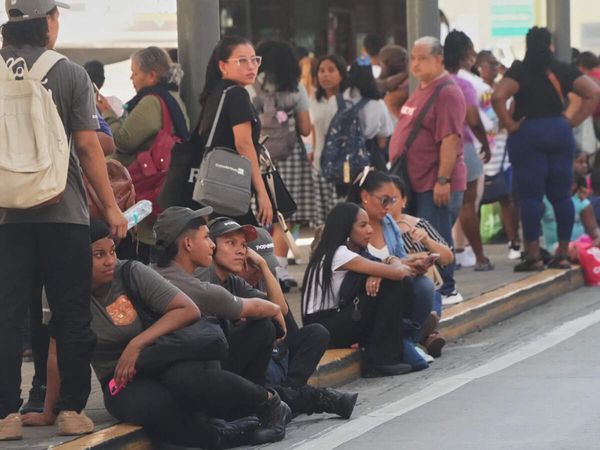
"Beyond alerts and scientific findings we have been receiving for a long time, it seemed important to focus on the words of people, to show that the impacts of climate change are not only real, but are long-term," said Daphné Chamard-Teirlinck, co-author of the report.

The stories were gathered between March and June 2025, from France – including its overseas territories Mayotte, Réunion Island and French Guiana – and Brazil, Tunisia, and Madagascar.

Scorched vines and shrinking incomes drive French winegrowers to the streets

Farmers on the brink

In southern France, Eric, 44, was forced to close his family farm after 20 years of work after exceptional rainfall destroyed his land and he didn't have the €300,000 needed to rebuild.

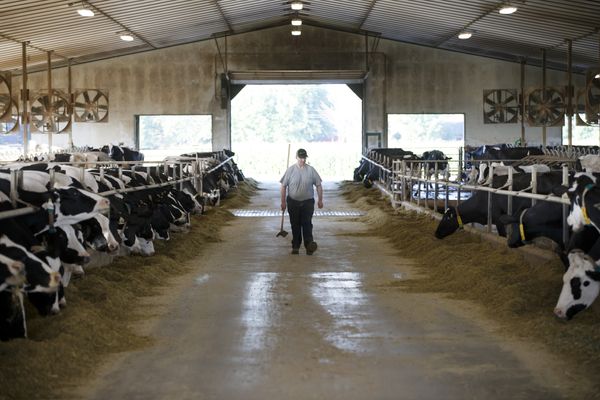
Across the Mediterranean in rural Tunisia, Hnia, a widowed mother of four, struggles to maintain her small herd of dairy cows in the face of recurring drought.

Unable to grow enough fodder for her cows, she now has to buy feed. Extreme heat has also lowered milk production in her herd and increased veterinary care costs, forcing her to sell off some of her cows to pay off debts.

Tunisia women herb harvesters struggle with drought and heat

In northwestern Madagascar – where 75 percent of the population lives in poverty – coffee, vanilla, and cocoa farmer Soalehy laments a lack of solidarity from buyers following the havoc wreaked by torrential rains.

"There have been big changes because of the flooding. Harvests have become irregular and buyers no longer agree to negotiate prices,” he said. “They impose their rates and the farmers, lacking means, are forced to accept."

Urban impact

In urban areas, Secours Catholique describes a "spiral of vulnerability" which sees those who are already living precarious lives – people in poverty, homeless people and those living in the most polluted parts of cities – unable to recover from climate disasters.

In December 2024, Cyclone Chido tore through the French Indian ocean department of Mayotte and destroyed thousands of corrugated iron shacks, in which a third of the population were living.

Ravaged forest threatens Mayotte's biodiversity, economy and food security

Marie-France, a resident of Saint-Martin-Vésubie in south-eastern France which was devastated by floods after Storm Alex in 2020, said the elderly and infirm cannot easily get back on track following such disasters.

"Single women, single people and retirees are much more vulnerable than young people, who bounce back faster,” she said. "For some people, it takes a long time. You don't recover as quickly at 70 as you do at 20."

A view of the French town of Saint-Martin-Vésubie, which was destroyed by flooding caused by Storm Alex in October 2020. © Valery Hache/AFP

The report also warns that climate change is pushing previously stable households into poverty. One family in northern France was left homeless after two floods in late 2023 and early 2024 made their house uninhabitable.

After living in various temporary shelters – including a gymnasium and a hotel room – they returned to a damp, unheated house and became trapped in a cycle of debt trying to rectify this.

Psychological effects

Some of the testimonies collected point to the psychological impact of climate change.

Bernard, a community leader on France’s Réunion Island, describes a chain reaction to extreme heat.

"When it’s hot, you sleep badly. That means the next day you’re tired, and you have to go to work tired. That’s going to be difficult, and you’ll be less productive," he said, adding that someone who is sleep deprived could become irritable at work and as a result could lose their job, which then causes tensions at home.

“This might also create domestic violence. All because of the climate."

France’s summer of heatwaves exposes hidden mental health cost

The climate crisis "establishes a vicious cycle that exhausts bodies and minds" said Secours Catholique, which also reports seeing more requests for help from people who previously would not have approached charities like theirs.

Recommendations

While many countries have adaptation plans to tackle the effects of climate change, they "struggle to meet the scale of the challenges," Secours Catholique says.

While it says this is due in part to a lack of resources, it also believes there is "a lack of will and political commitment to fully integrate climate and social issues into regional planning and management".

The town of Blendecques, in northern France, was flooded in January 2024 by the Aa river, which burst its banks after weeks of heavy rain. © Beatrice Debut/AFP

In its report, the NGO puts forward a dozen recommendations, including a call to cap profit margins for food. This would involve the obligation to sell around 100 targeted products at cost price.

It highlights that agroecology – a sustainable approach to farming that applies ecological principles to agricultural systems – is "an essential practice to guarantee the right to food".

It also advocates for cross-referencing social needs against a map of areas vulnerable to climate disasters. "When a storm or flood arrives, it’s about knowing which people will not be able to leave their homes alone," explains Chamard-Teirlinck. "It’s basic, but necessary."

Similarly, the report recommends providing more localised information to inform residents of their rights following a climate disaster, including on compensation claims, access to emergency aid and the right to repairs.


This article was adapted from the original version in French by Géraud Bosman-Delzons.

Sign up to read this article
Read news from 100’s of titles, curated specifically for you.
Already a member? Sign in here
Related Stories
Top stories on inkl right now
One subscription that gives you access to news from hundreds of sites
Already a member? Sign in here
Our Picks
Fourteen days free
Download the app
One app. One membership.
100+ trusted global sources.