
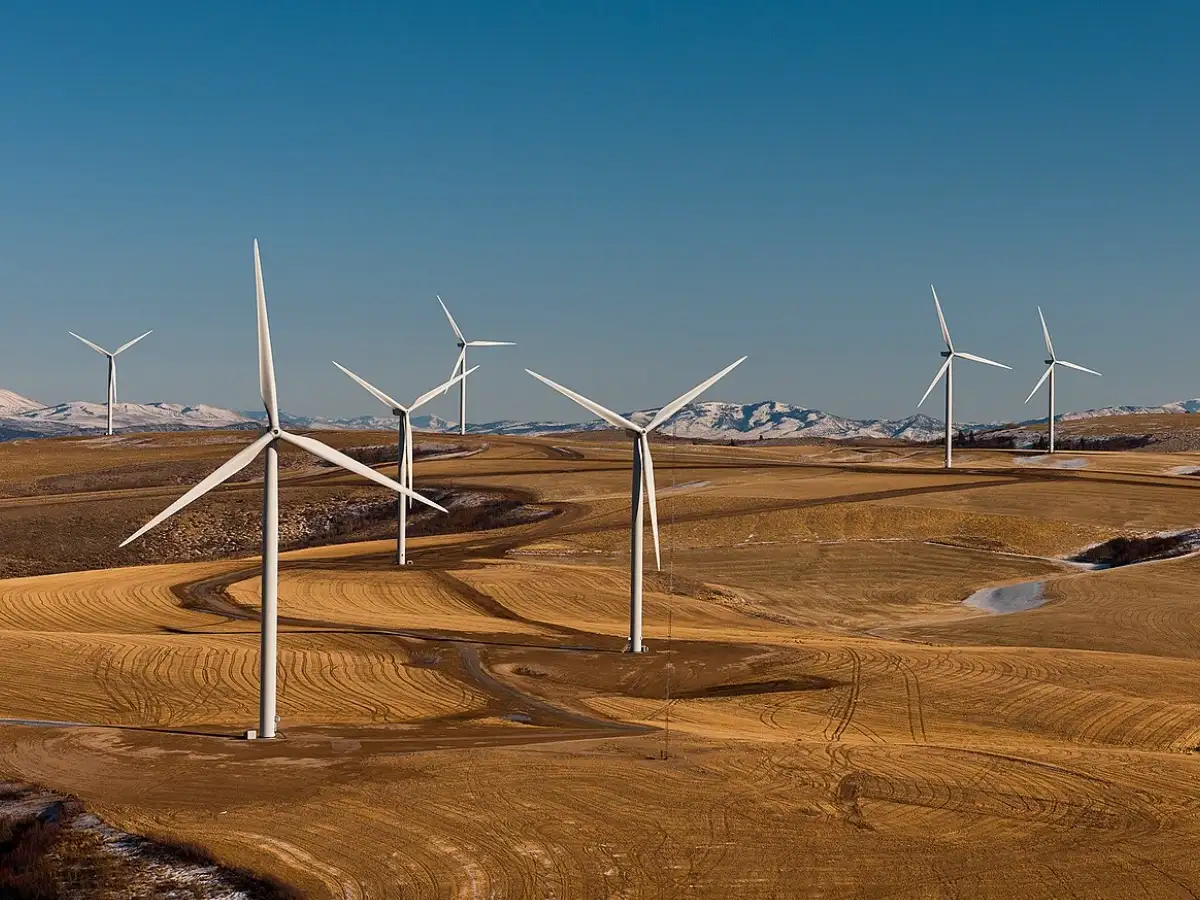
For years, wind turbine blades have had a little-discussed end-of-life problem. They can generate electricity for decades, but their large, layered composite structures are difficult to recycle once they are retired. That has left landfill as one disposal option for old blades. A Knoxville-based company called Carbon Rivers is working on a different approach, using a process that separates glass fibre from the other materials in discarded turbine blades. A US Department of Energy success story says the company's technology can recover high-purity glass fibre from end-of-life composite waste.
The challenge comes from the way turbine blades are made. They need to be strong and lightweight, so manufacturers combine glass fibres with resin and other materials to create a rigid composite. That combination works well on a wind turbine, where blades have to withstand years of movement and changing weather, but it also makes them difficult to take apart when they are no longer useful.

How the recycling process works
Carbon Rivers uses pyrolysis to separate the different components. In simple terms, the process uses heat in an environment without oxygen to break down the resin surrounding the glass fibres. The organic material is converted into products including syngas and pyrolysis oil, while the glass fibre remains available for recovery.
The company describes its approach as a glass-to-glass reclamation process. Retired blades are first cut into sections and mechanically processed into smaller pieces. The material then undergoes thermal treatment to separate the resin from the glass. The recovered fibre can subsequently be processed into different forms for manufacturing.
The US Department of Energy reports that Carbon Rivers has achieved 99.9% recycled glass-fibre purity from end-of-life waste streams that include wind turbine blades. The recovered material can be used in new composite products, with possible applications including non-woven fabrics, thermoplastic pellets and other materials that can be incorporated into manufacturing.
That matters because recycling a composite is not simply a matter of breaking a blade into smaller pieces. The useful materials need to be recovered in a form that manufacturers can work with. Carbon Rivers' process can produce recovered glass fibre in forms including mats and filament for additive manufacturing, giving the material potential uses beyond its original application.
The company's technology is also part of a wider effort to find uses for recovered glass fibre. Recycled fibres can be incorporated into composite materials used in areas such as transport, construction and industrial products. The exact application depends on the properties and form of the recovered material.
Carbon Rivers has processed more than 100 tons of wind turbine blades into manufacturing materials, according to the US Department of Energy. The company has also received roughly $2.4 million in DOE funding since 2019 and has worked with the University of Tennessee, Knoxville, as it develops the technology.
The company is developing a larger recycling facility in Tennessee that is planned to handle up to 5,000 wind turbine blades a year, with individual blades weighing around 10 tons. This represents the proposed capacity of the future operation rather than the amount processed during the company's earlier development work.







