Get all your news in one place.
100’s of premium titles.
One app.
Start reading
The Conversation
The Conversation
Natalie Kon-yu, Associate Professor, Creative Writing and Literary Studies, Victoria University

‘A shadow on your art’: how do First Nations and culturally diverse authors feel about representation?

Rahulshah/Pexels

Activism around cultural diversity in books and publishing has come with intense scrutiny of the background of published authors. These conversations are designed to combat inequality and create change – but how do they impact those authors?

To find out, we conducted in-depth interviews with eight authors who publicly identified as First Nations or from a culturally and linguistically diverse (CALD) background. (Just 10% of Australian authors fit this category.) Our small sample size reflects Australia’s small publishing industry.

Most of the authors we spoke to felt burdened by expectations due to their ethnicity – not from publishers, but from the general public and their own communities. They reported feeling both readers and reviewers overemphasise their identity, affecting the kinds of books they feel they can write.

They also feel pressure to be activists – which they don’t always want to be. And they face responsibilities of cultural representation in ways other writers don’t, partly because there are so few of them.

Many authors we spoke to perform balancing acts to satisfy readerships both within and outside their communities. Only one did not report an artistic or personal cost because of such expectations.

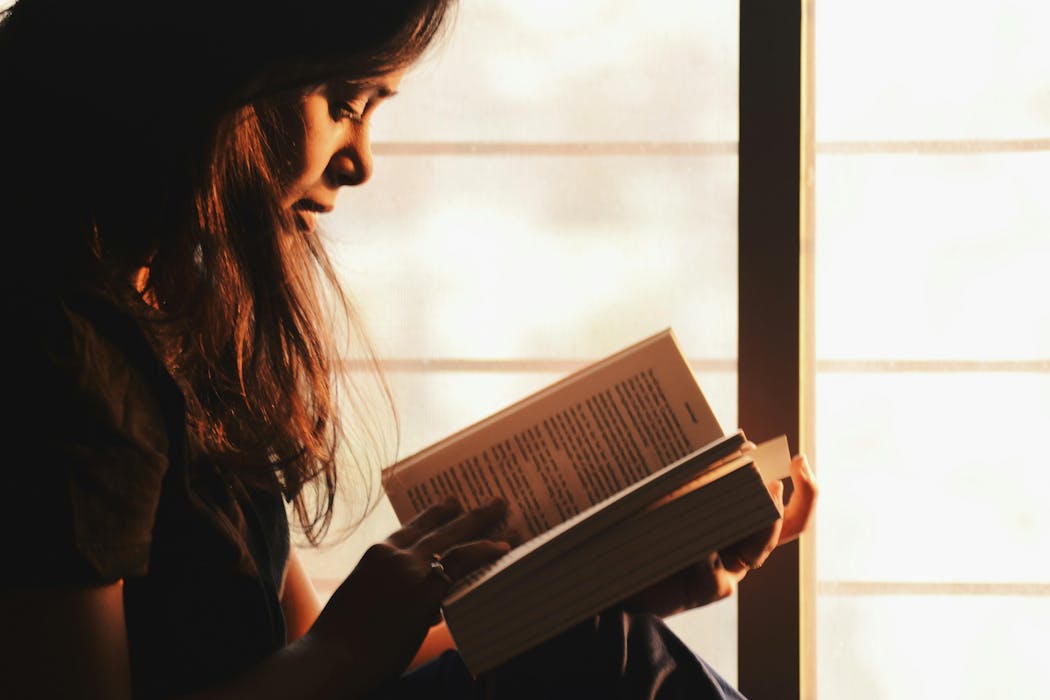
woman standing and reading book, cap over eyes, long hair
Marginalised creators reported feeling like both readers and reviewers overemphasise their identity. Streetwindy/Unsplash

Burnout, self-censorship and forced activism

One author described considerable burnout at being expected to take up the role of an activist for their community in the industry.

“Often it’s a shadow or a contamination also on your art ‘cause you’re thinking about extra-artistic matters when you just wanna actually be working out the art itself,” they said. But in their “best moments”, they believe it could produce “unresolved tension from which […] hopefully something new or interesting might emerge”.

Authors believed it was important for them to be part of these conversations – though it’s a heavy load to carry.

“There is pressure to talk about your cultural background rather than your work,” said one author. Paradoxically, they felt their writing suffers a lack of engagement because it doesn’t contain the ethnic elements expected from an author like them.

Authors perceived to have “similar” cultural backgrounds are also perceived to have similar values, life experiences and ways of thinking, said another author. Any disagreement between them, on any matter, could shock an audience and lead to negative consequences. “People just have this expectation that you’re all a common voice.”

One author said First Nations writers who step away from overtly political narratives about colonisation and white supremacy are criticised by some members of the Aboriginal community. The First Nations authors we spoke to felt they were expected to discuss issues like colonisation and intergenerational trauma in their books.

Diverse, but not 'too diverse’

Three authors admitted to making artistic compromises in their writing, often through self-censorship, to satisfy readers who expect a specific type of identity-based narrative. Others felt their refusal to write to expectation worked against them.

One author described a pressure “to explain, or represent, these marginal existences and lives and realities and narratives” outside the mainstream. Pressure to present something “authentic” was ultimately limiting. Authenticity seemed to only be recognised when a work confirmed stereotypes or portrayed topical struggles related to cultural identity.

One author said “when people commission fiction from me they’re often looking for an Aboriginal story and that’s what I’m least likely to give someone”.

close up on one hand on laptop keyboard and other hand writing next to laptop
Three authors admitted to being influenced to make artistic compromises in their writing. Alexa Serafin/Unsplash

But while some writers reported feeling pressure to be more diverse, or represent their communities, others believed they were successful due to their books not being too diverse, or what one called “scarily diverse”.

One, who writes a lot of adventure and fantasy stories, described their books as “kind of palatable and there’s nothing too difficult in them for kids to deal with”. This author deliberately avoided writing migrant stories for the first ten years of their career, in order not to be contained within a “migrant box”. They described themself as “lucky” for slipping past library barriers “some other writers of diversity probably wouldn’t”.

They said:

It’s like you can only do a memoir or you can only write migrant stories, we don’t want to hear anything else from you ‘cause you’re not qualified […] to be an Australian, to write an Australian story.

One author said when they published their first book, they were “trying to forget my cultural background and forget about injecting too much of myself into my work because of my sense that it was unpalatable to a wide readership”.

They said “I was young and I was just really thirsty for a seat at the table and convinced I wouldn’t get it and kind of desperate to be included”. This author has “only felt respected enough and safe enough and confident enough to even start talking about any of this stuff” with age, as “my career has gone up”.

Another author described factoring in audience expectations so “white readers will keep reading” with a recent publication. They said, about those readers, “I’m just writing about ordinary Aboriginal community grassroots lives and the gap in experience is so … huge”.

Authors risked being penalised no matter how they chose to write their books, or what they chose to write about.

All of them felt pressure from audiences could lessen over time, as more authors from diverse backgrounds are published. But those books need to sell well among the reading public to guarantee future careers.

“We have an excess of supply relative to the consumer demand,” observed one. To achieve real change, more people need to buy and read books by diverse authors. That’s something we can all do.

The Conversation

The authors do not work for, consult, own shares in or receive funding from any company or organisation that would benefit from this article, and have disclosed no relevant affiliations beyond their academic appointment.

This article was originally published on The Conversation. Read the original article.

Sign up to read this article
Read news from 100’s of titles, curated specifically for you.
Already a member? Sign in here
Related Stories
Top stories on inkl right now
One subscription that gives you access to news from hundreds of sites
Already a member? Sign in here
Our Picks
Fourteen days free
Download the app
One app. One membership.
100+ trusted global sources.