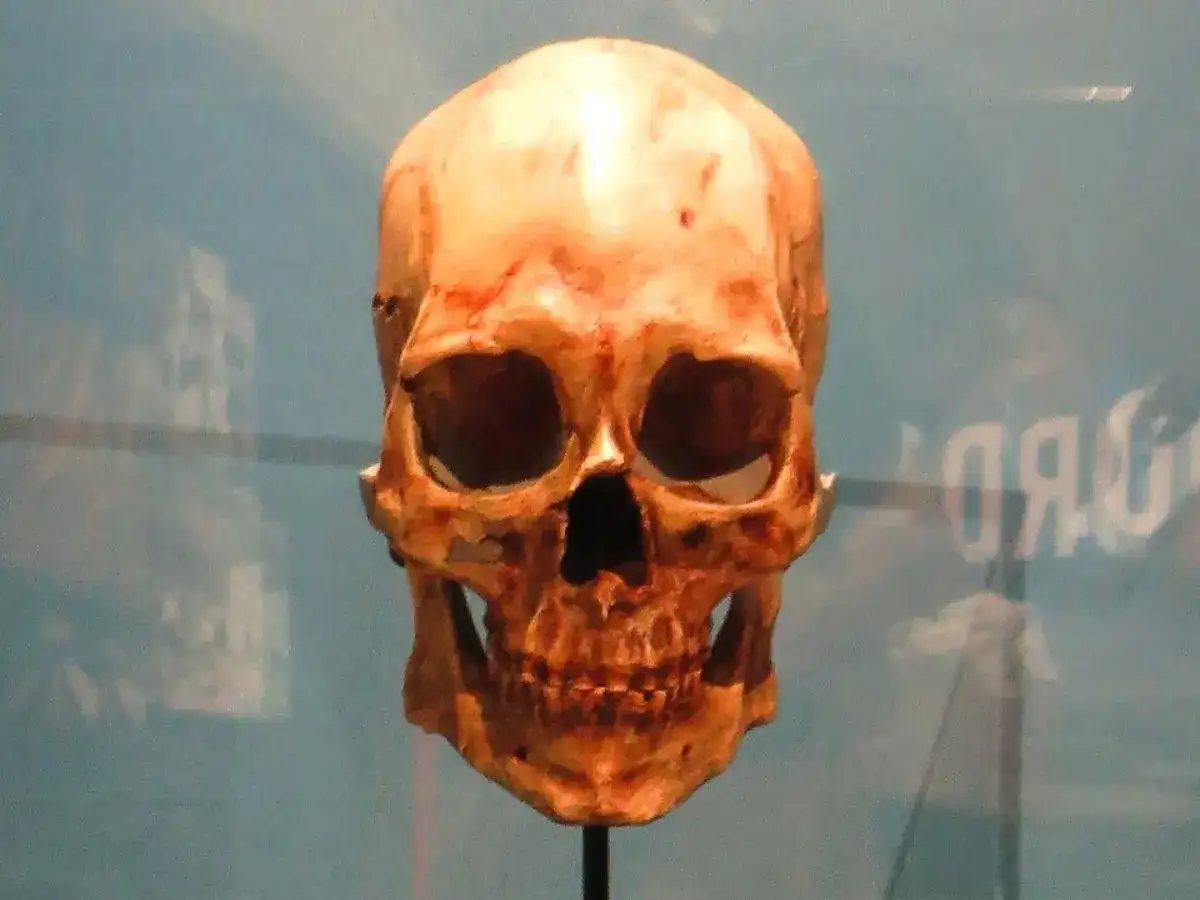
Kennewick Man is perhaps one of the most controversial ancient skeletons discovered in North America to date. It was excavated in 1996 in the vicinity of the Columbia River in Washington, according to a paper published in Nature. The archaeologists established that the bones of the person belonged to an epoch that had lasted over 8,000 years ago. However, a more heated discussion revolved around the following questions: whose were the bones?
Initially, some researchers concluded that the peculiarities of the skull were different from those of current-day Native American people and concluded that the skeleton belonged to a separate migratory wave. However, ancient DNA analysis has totally turned the discussion upside down.