
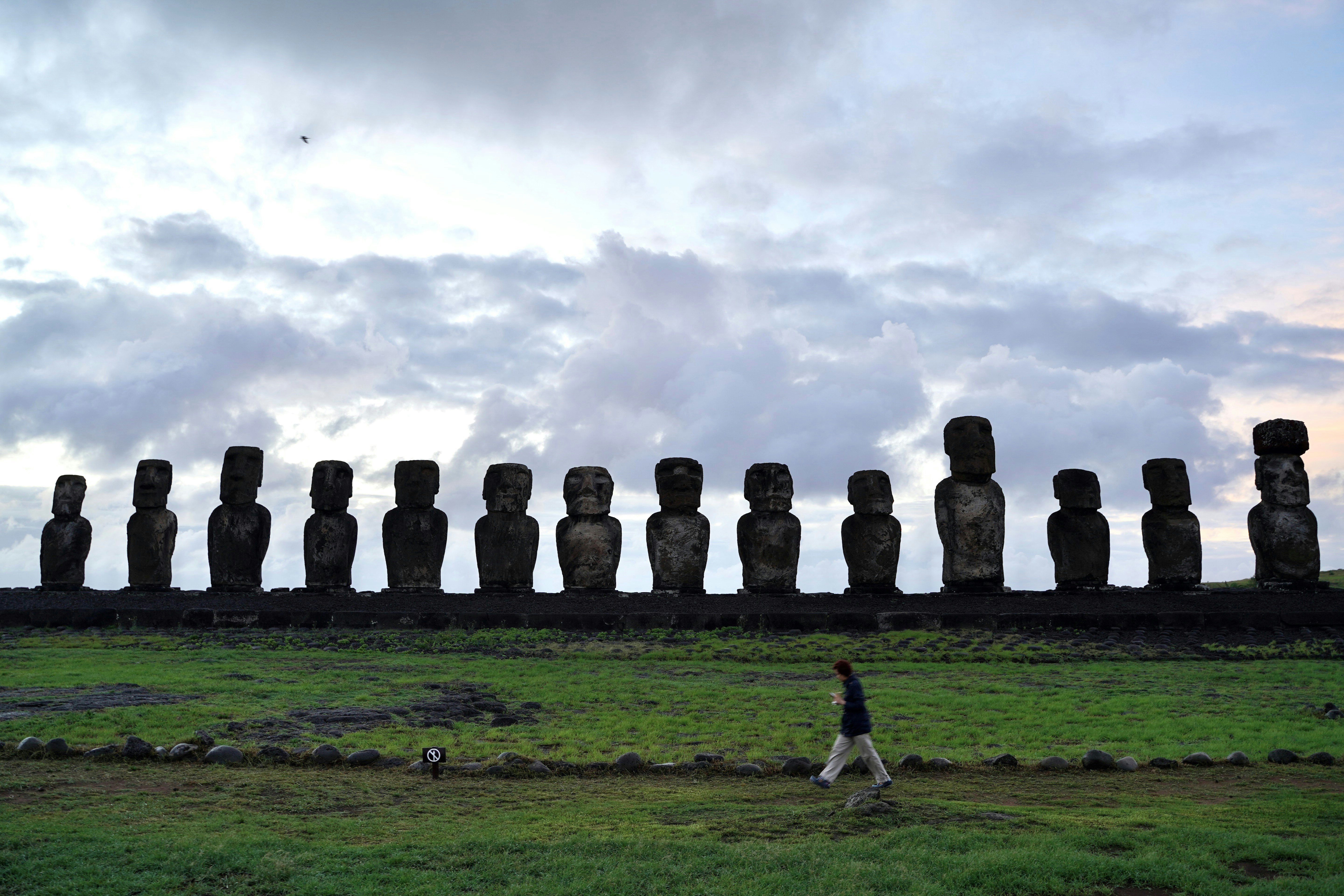
The Pacific island of Rapa Nui — also called Easter Island by the Europeans that arrived there on a Sunday in 1722 — is arguably most famous for its iconic human-like volcanic rock statues called moai. But since European settlers arrived at Rapa Nui a pervasive myth has persisted: Rapa Nui’s mere 3,000 inhabitants were incapable of erecting all these moai statues. Instead, Rapa Nui must have once had a larger population that had been depleted, by about 10,000 people, due to economic collapse. Now, a novel study used satellite data to debunk this myth, and reveal new information about the Rapa Nui people.