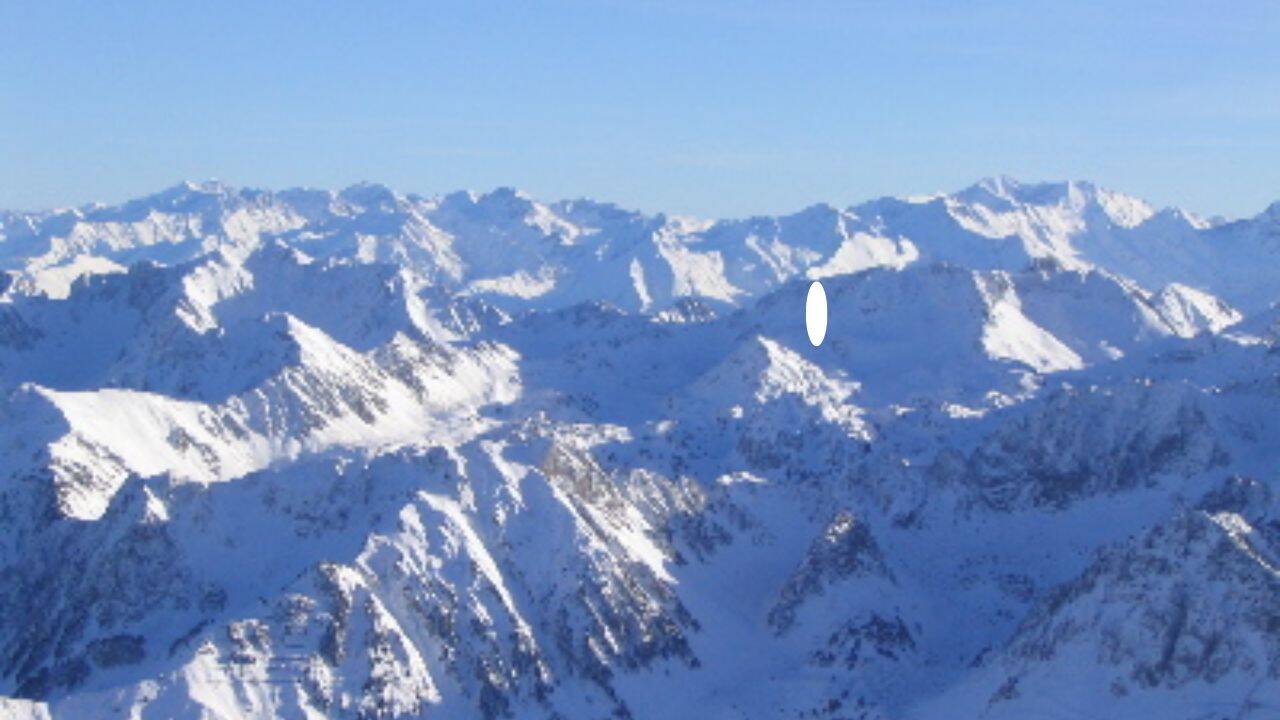
For decades, archaeologists largely assumed that Europe's highest mountain landscapes were places people crossed rather than inhabited. Harsh winters, steep terrain and short growing seasons seemed to make long-term occupation unlikely, leaving many alpine regions treated as seasonal or marginal in archaeological research. Fresh evidence from the Spanish Pyrenees paints a rather different picture.
According to the Department of Prehistory, Universitat Autònoma de Barcelona dataset , it has brought together two decades of excavation and radiocarbon dating to reveal that people were making repeated use of these high-altitude environments soon after the last Ice Age. Instead of brief visits, the findings point towards an enduring relationship between mountain landscapes and the communities that returned to them for thousands of years.