
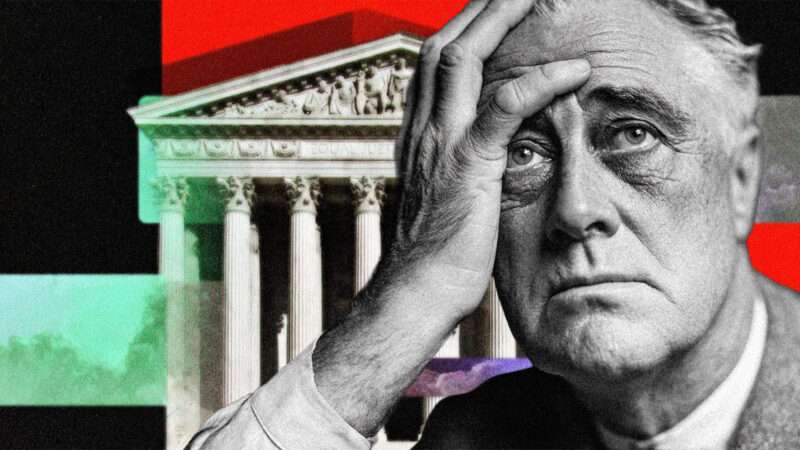
The recent high-profile cases of Trump v. Slaughter and Learning Resources v. Trump might not initially appear to share very much in common. Yes, they both involve President Donald Trump, but the former is about the president's purported authority to fire the heads of federal agencies at will, while the latter is about the president's purported authority to unilaterally impose tariffs. Totally different legal issues, right?
Well, yes and no. Trump's name may dominate the headlines, but both cases are also about the actions of Congress. Or perhaps it might be better to say that both cases are about the inactions of Congress; about how Congress has relinquished its lawmaking power over many years both to the executive branch and to the executive-ish federal agencies who wield what a notable jurist once called "quasi-legislative" authority. In other words, both cases are about the separation of powers.