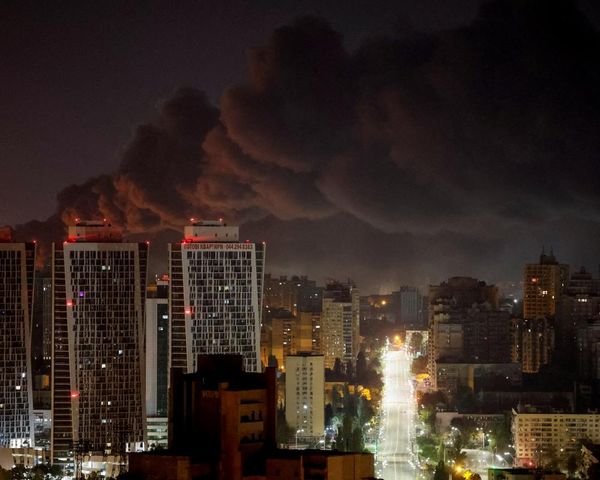
The global trade landscape is shifting, and not in the way free traders had hoped. For decades, the belief that economic openness could foster peace and stability reigned supreme. Trade, it was argued, could transform authoritarian regimes into more peaceful players. But Russia’s invasion of Ukraine has shattered this way of thinking. Rather than mourning the end of a multilateralism based on states’ commitments to jointly agreed trade rules, we should see it as a necessary adjustment to a world where economic security takes precedence over market efficiency, and resilience over cost minimization.
The World Trade Organization (WTO), which has constrained protectionism since its inception in 1995, is no longer the linchpin of global trade it once was. Multilateral trade talks have stagnated, and the WTO’s dispute settlement system is in paralysis. The US, once a champion of rules-based trade, now finds strategic advantage in a world where power dynamics outweigh legal frameworks. Years of negotiations on agriculture and fisheries subsidies have yielded little progress, underscoring the difficulty of reaching consensus among increasingly divergent national interests.