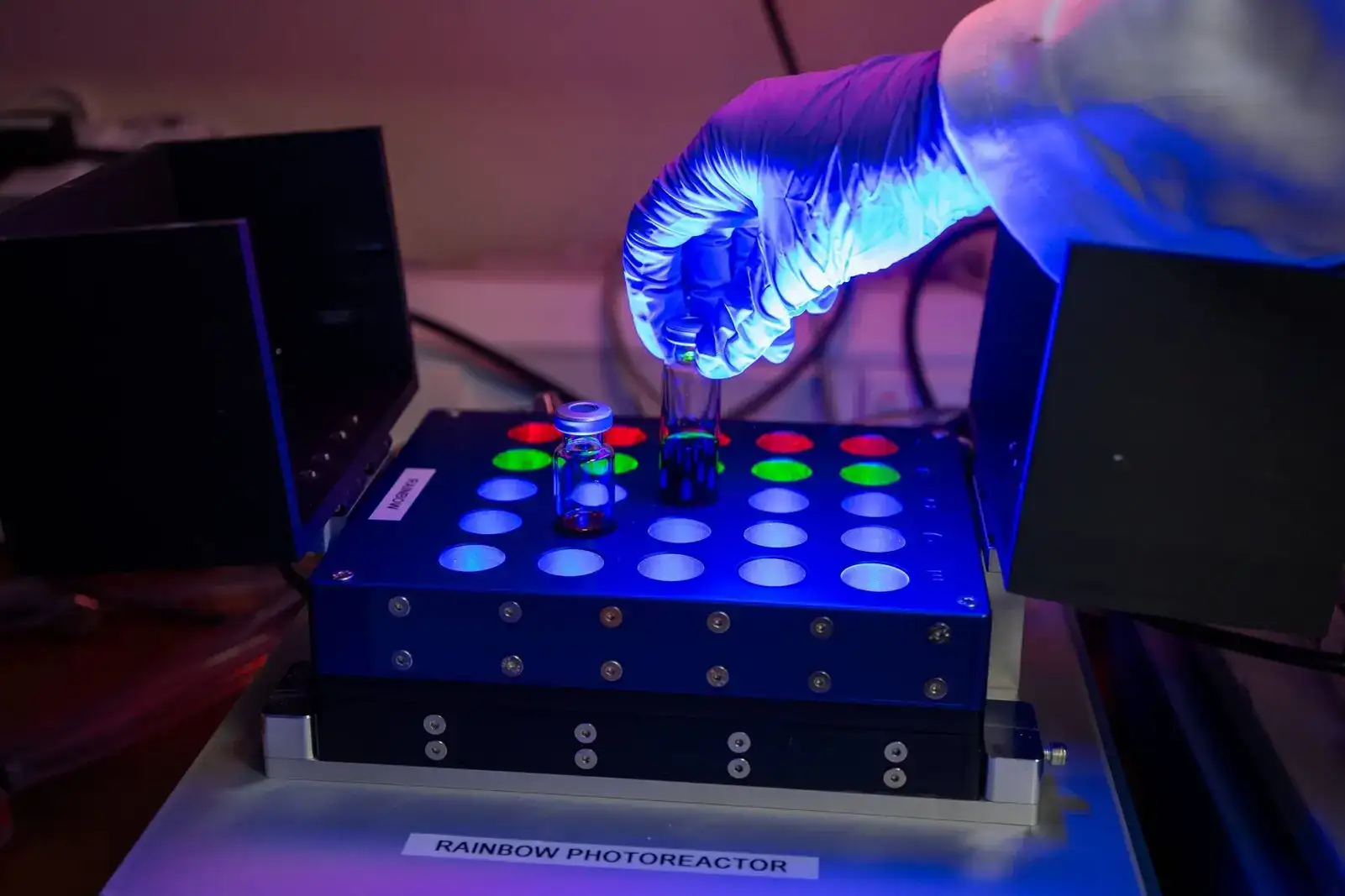
Something quietly extraordinary happened in a chemistry lab in Münster, Germany. Researchers didn't just find a new way to make a molecule. They cracked open a door that biochemists and pharmaceutical scientists have been pushing against for decades. Using nothing more powerful than blue light and a clever photocatalyst, they built one of chemistry's most stubborn structures — the housane molecule — from simple, widely available starting materials. The implications for drug development, materials science, and synthetic chemistry are hard to overstate.
Understanding why this matters requires a brief detour into what makes these tiny housane molecules so difficult — and so valuable — to produce. A housane is a bicyclic hydrocarbon structure named for its resemblance to a child's drawing of a house. It's compact, angular, and packed with internal tension. That tension is not a flaw. It is the feature. High-strain molecules store chemical energy the way a coiled spring stores mechanical energy, and they release it during reactions in ways that flat, relaxed molecules simply cannot.