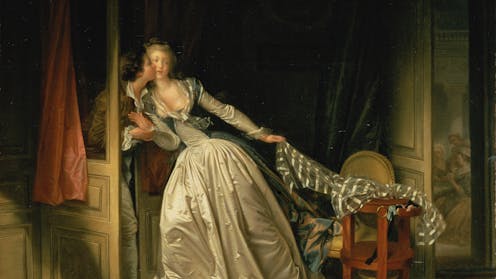
A stolen glance across a crowded room, a shadowy figure slipping through a doorway, a lover hidden behind a curtain – adultery has long been a drama of secrecy. From Renaissance masterpieces to tabloid snapshots, the act of romantic betrayal has not only shaped personal lives but also left its mark on art history. Painters across the centuries have turned this most intimate of transgressions into art, inviting viewers to become voyeurs of passion, guilt and desire.
Historically, artistic representations of adultery have been used to raise questions about the importance of love and sexual desire in marriage. Artists have also used their works to explore themes of culpability and punishment, and to explore the consequences of infidelity for the families of the adulterers.