Ritchie Blackmore has recalled the moment he knew he had to leave Deep Purple.
For many, Blackmore was Deep Purple. He's been one of their most influential driving forces, helped the band cement their status as one of Britain’s premier rock bands with a pantheon of timeless guitar riffs.
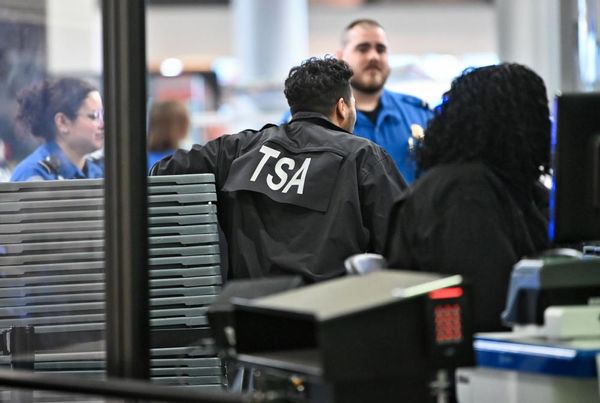
He pushed the band’s unique blend of hard-hitting blues rock and classical motifs, carving out a reputation as one of the world’s greatest guitar players in the process. But all good things must come to an end, and he left after 1974’s Stormbringer. The writing, he says, was on the wall.
“The first time [I considered leaving] was when I thought about doing a song, and a band member said, ‘If we didn’t write it, there’s no point in doing it because we won’t get writing credits,’” he says in a new interview with Guitar Player. “I was really disappointed in that statement.”
He doesn’t specify what the song was. But it set a precedent.
“It was also a time when our management was starting to put together a tour, and everybody in the band was busy doing something else – a holiday, producing something, getting married,” he adds.
“In my mind, this showed that it wasn’t a band anymore. It was just a group of people with high-finance interests, business ventures, and personal bookings taking place instead of the band touring.”
Blackmore would go on to form a new band, Rainbow, and share the studio with vocalist Ronnie James Dio, who became Ozzy Osbourne’s successor in Black Sabbath several years later. Ironically, Deep Purple singer Ian Gillan also spent a short while in Sabbath, as the member merry-go-round gathered speed.

With Rainbow, Blackmore would go on to release seven studio albums in a mad dash eight-year spell, before returning to Deep Purple for Perfect Strangers in 1984. The atmosphere within the Rainbow ranks was a night-and-day contrast to Purple.
“When I did a session with Ronnie Dio in the studio, I started seeing things in a different light,” Blackmore continues. “I started having fun again, and music started being important again.
It showed that it wasn’t a band anymore. It was just a group of people with high-finance interests, business ventures, and personal bookings
Ritchie Blackmore
“John Cleese once said of Monty Python that there were far too many committee meetings about nothing. We had the same in Purple.”
Blackmore is currently recovering from health issues that caused the cancellation of last year’s run of shows with Blackmore’s Night.
Elsewhere, he’s reflected on Jeff Beck’s struggles with imposter syndrome, and his hit-and-miss experiments with using banjo strings on his Strats.